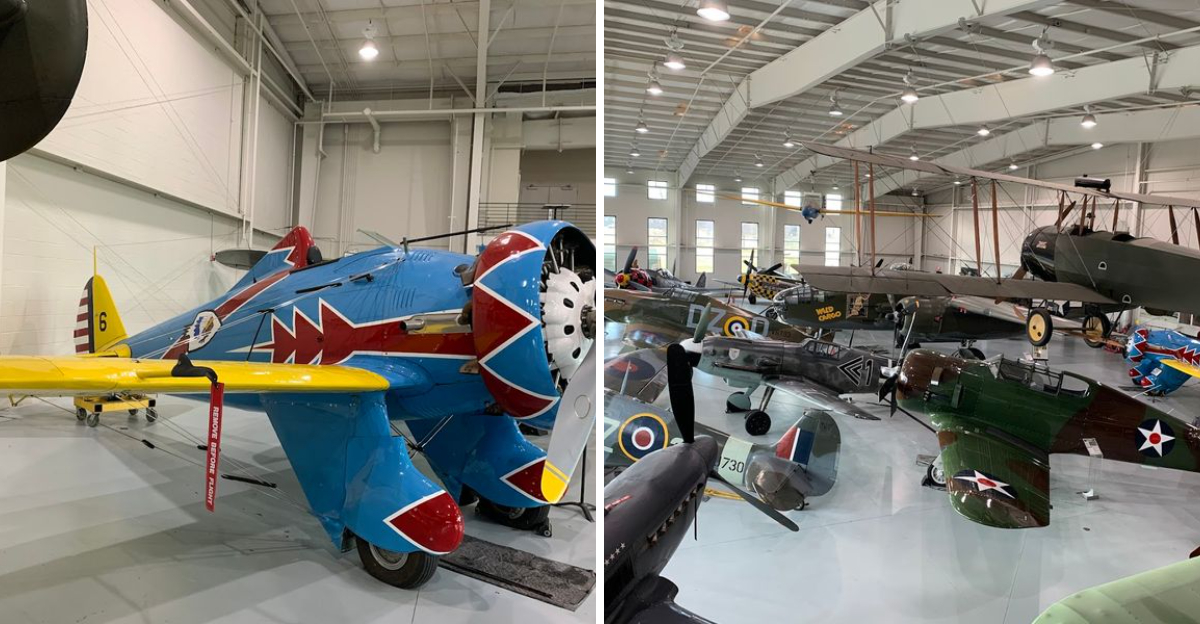
The planes are not just for looking. Many of them still fly.
This Virginia museum is a seriously cool destination for aviation fans, a collection of vintage aircraft that have been restored to working condition. I walked through the hangars, each one filled with planes from World War I, World War II, and beyond.
The attention to detail is stunning, from the fabric-covered wings to the cockpit instruments. The museum also offers flight experiences, where you can ride in a vintage plane and feel what it was like to fly in another era.
The staff are passionate, the exhibits are well-presented, and the whole place hums with the energy of history. Virginia has plenty of museums, but this one is for people who look up when they hear an engine.
A Collection of Warbirds That Will Make Your Jaw Drop
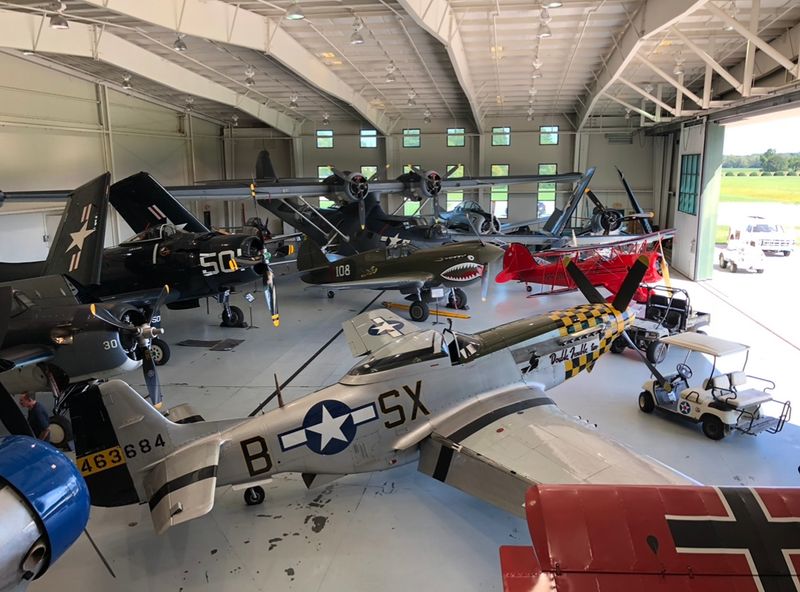
Walking into the main hangars at the Military Aviation Museum, Virginia Beach for the first time feels like stepping through a portal straight into the golden age of military aviation.
The sheer number of aircraft packed under one roof is genuinely staggering, and the quality of each restoration is museum-grade extraordinary.
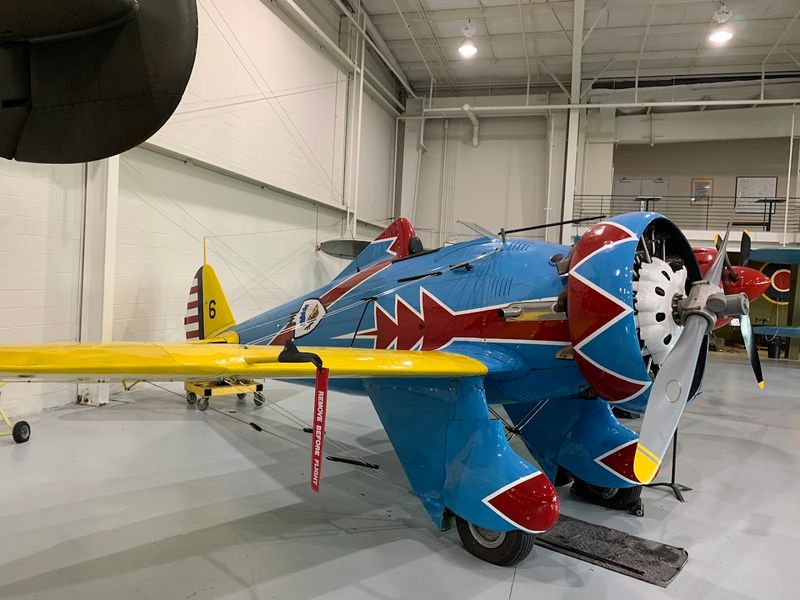
Over seventy vintage warbirds span multiple hangars, covering everything from fragile biplanes of the early air war era to the powerful propeller-driven fighters that dominated the skies over Europe and the Pacific.
Curtiss P-40 Warhawks, P-51 Mustangs, Spitfires, Hurricanes, and a TBM Avenger all share the same floor space, close enough to touch if the velvet rope wasn’t there.
What truly separates this collection from every other aviation museum I have visited is that the majority of these aircraft are not static display pieces. They are fully airworthy, regularly flown, and maintained in exceptional flying condition.
Seeing a seventy-plus-year-old Corsair that could theoretically take off tomorrow is a feeling that no photograph can quite capture. Virginia is genuinely sitting on one of the world’s great aviation treasures.
The World War I Hangar Is a Whole Different Universe
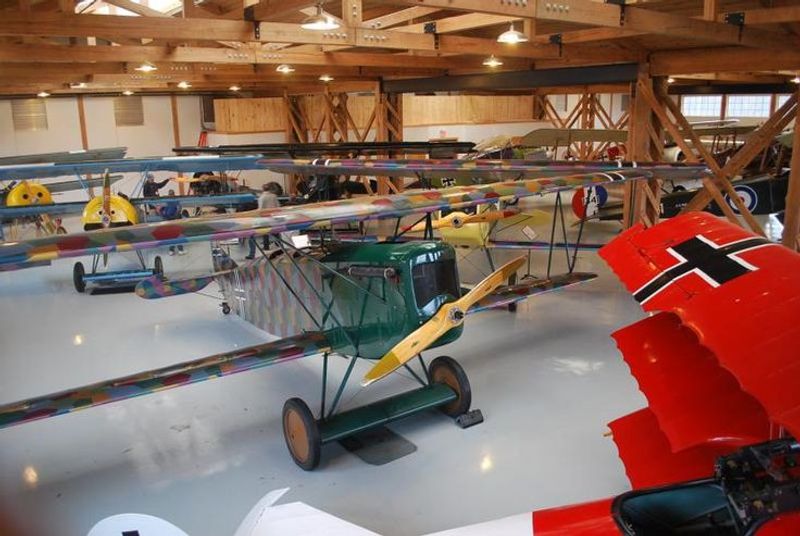
Most aviation museums spend the majority of their energy on World War II, and the earlier conflict gets a token corner somewhere near the gift shop. Not here.
The Military Aviation Museum, Virginia Beach dedicates an entire purpose-built hangar to the aircraft of the Great War, and it is absolutely mesmerizing.
The hangar itself is designed to replicate the wooden French barn-style structures that served as makeshift airfields during the conflict. Inside, you will find some of the rarest aircraft in existence, including a Fokker Dr. I Dreidecker, the triplane famously associated with the Red Baron.
An original 1918 Curtiss JN-4 Jenny and a restored 1918 Thomas Morse Scout also call this hangar home.
Standing next to these fragile-looking machines, it is almost impossible to believe that young pilots actually flew into combat in them. The guided tours that take you through this hangar are genuinely educational and deeply moving.
Docents share stories about the pilots, the engineering challenges, and the sheer bravery required to take these canvas-and-wire contraptions into battle. Plan to spend more time in here than you originally budgeted for, because you absolutely will.
Historic Structures Shipped Straight From European Battlefields
Aircraft are not the only remarkable things at this museum. Several of the actual physical structures on the property have their own extraordinary wartime histories, and they traveled thousands of miles to end up in Virginia Beach.
The Cottbus Hangar is a fully restored German Luftwaffe metal hangar originally built in 1934. It was carefully dismantled in Germany and then reconstructed on the museum grounds, still bearing visible battle damage from fighting on the Eastern Front.
Running your hand along those dented metal walls while knowing their history is a genuinely surreal experience.
Equally remarkable is the Goxhill Watch Office, an original British Royal Air Force control tower from RAF Goxhill in England. This building served the US 8th Air Force during the war and was also disassembled and shipped to Virginia for reconstruction on site.
Few museums anywhere in the world can claim to have authentic wartime structures of this caliber, let alone two of them. The guided tours that walk you through these buildings are included with admission and add a layer of emotional depth to the visit that I was not fully prepared for.
The Only Flying Junkers Ju 52 in All of North America
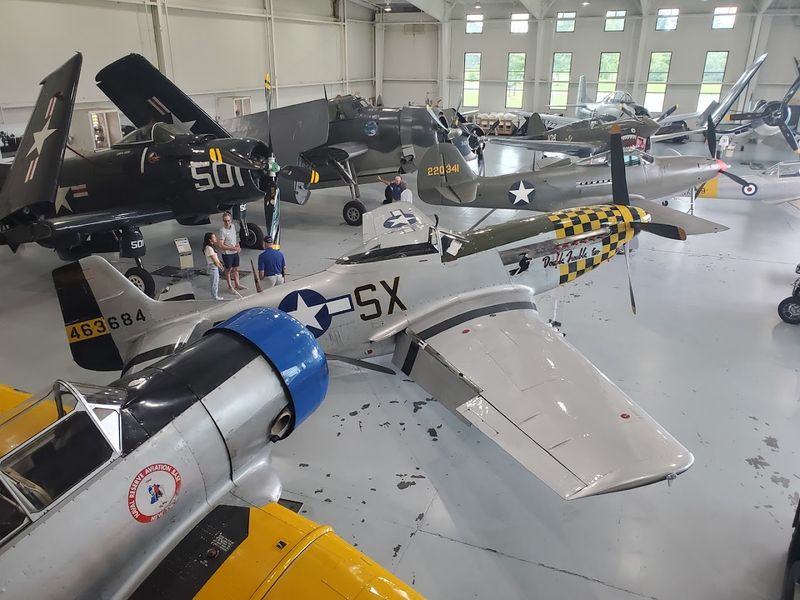
Rare aircraft are kind of the baseline expectation at the Military Aviation Museum, Virginia Beach, but some of the collection’s standouts are in a category entirely their own. The Junkers Ju 52-3M, affectionately nicknamed Tante Ju, is one of those once-in-a-lifetime aircraft encounters.
This three-engine transport plane, instantly recognizable by its distinctive corrugated metal skin, is the only airworthy example of its kind in all of North America.
It served as the backbone of German air transport operations throughout the Second World War and was used across virtually every theater of the conflict.
Seeing one up close is remarkable enough. Knowing it can still fly makes the whole thing feel almost unreal.
The museum’s commitment to keeping these aircraft in flying condition rather than simply preserving them as static museum pieces is what makes this institution genuinely special. Maintenance crews work year-round to ensure that planes like this one remain airworthy, which requires extraordinary skill, dedication, and resources.
Virginia is home to something that aviation historians travel from around the world to see, and most people driving through the state have absolutely no idea it exists right here in Virginia Beach.
The Messerschmitt Me 262, The World’s First Operational Jet Fighter
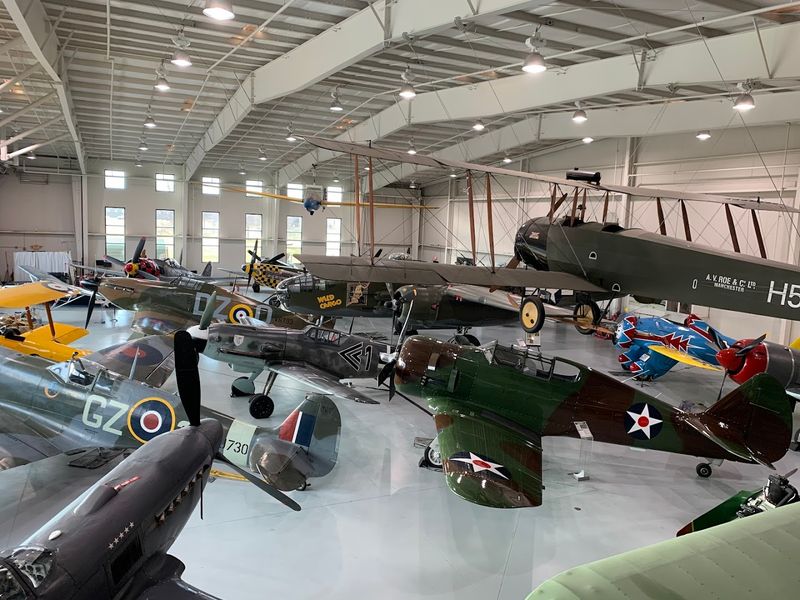
Aviation history took a dramatic turn when jet-powered flight entered the equation, and the machine that started it all is right here in Virginia.
The Messerschmitt Me 262 Schwalbe holds the distinction of being the world’s first operational jet fighter, and the Military Aviation Museum, Virginia Beach has one in its collection.
Seeing it in person puts the technological leap into sharp perspective. Parked alongside piston-engine fighters of the same era, the Me 262 looks like it belongs to a completely different generation of aviation.
Its swept wings and jet nacelles feel almost futuristic even by modern standards, which makes the fact that it was flying in the 1940s genuinely mind-bending.
The museum does an excellent job of providing context around this aircraft, helping visitors understand not just what it was, but why it mattered so profoundly to the history of flight.
Docents stationed near the aircraft are enthusiastic and deeply knowledgeable, ready to answer every question you can throw at them.
For anyone with even a passing interest in aerospace history, standing next to the machine that changed everything is one of those moments you carry with you for a very long time.
Weekly Flight Demonstrations That Are Absolutely Electrifying
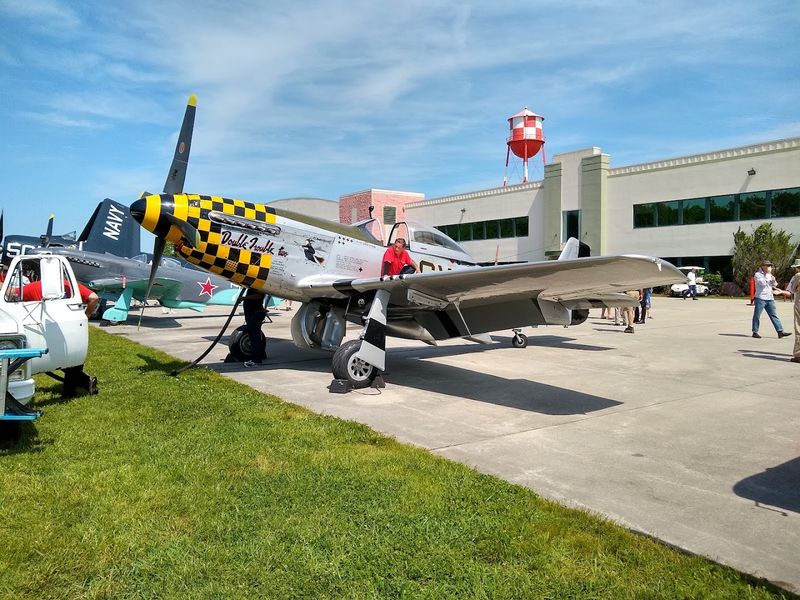
Seeing a restored warbird parked in a hangar is one thing. Watching one thunder down a grass runway and climb into the Virginia sky is something else entirely, and the Military Aviation Museum, Virginia Beach makes it happen on a regular basis throughout the warmer months.
The Summer of Flight program runs every Saturday afternoon from May through September, bringing weekly flight demonstrations to the museum’s own private grass airfield.
Watching a P-51 Mustang or a vintage biplane roar overhead at low altitude while standing on the same field where it just took off is the kind of experience that aviation enthusiasts dream about.
Beyond the weekly demonstrations, the museum also hosts larger annual airshow events including the Flying Proms in June and Warbirds Over the Beach each October.
These events draw aviation fans from across Virginia and well beyond the state’s borders, turning the already impressive museum campus into a full-scale celebration of vintage military flight.
Checking the museum’s schedule before planning a visit is absolutely worth the extra two minutes, because timing your trip around one of these events takes an already brilliant day and turns it into something truly unforgettable.
Hop Into a Vintage WWII Aircraft for a Real Ride
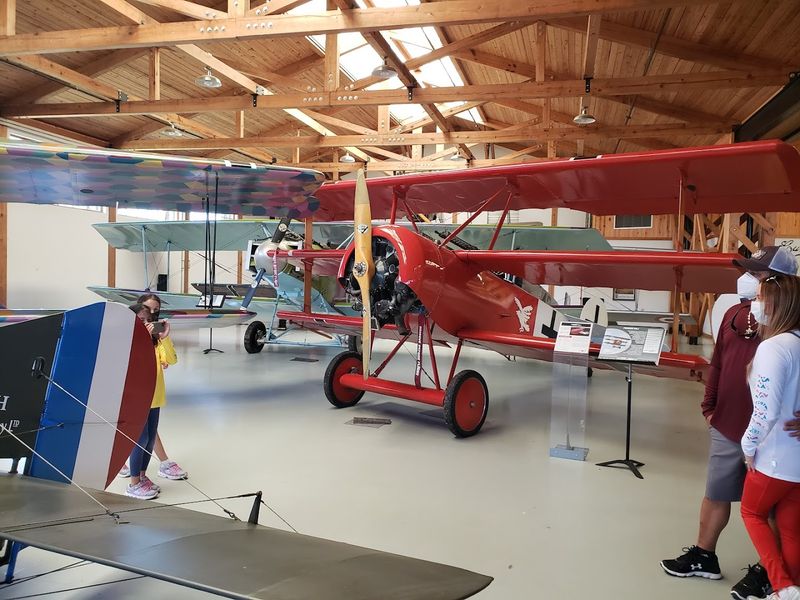
Admiring aircraft from the ground is wonderful, but the Military Aviation Museum, Virginia Beach takes the experience one step further with an opportunity that most aviation fans can only dream about.
Actual rides in restored vintage warbirds are available to the public, and yes, they are every bit as thrilling as they sound.
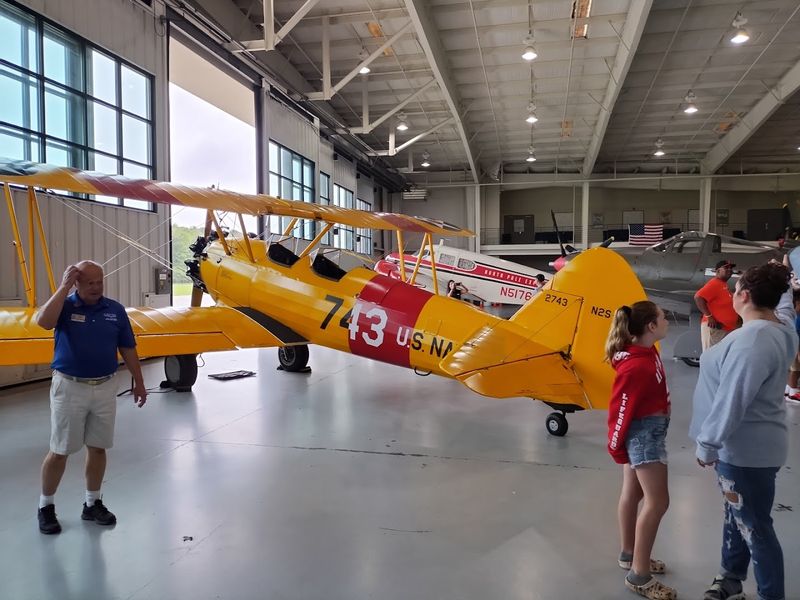
One of the standout ride options is the 1941 Stearman biplane, a classic open-cockpit trainer that was used to teach thousands of military pilots during the Second World War.
Climbing into that cockpit, feeling the vibration of the radial engine, and lifting off from a grass airfield is an experience that connects you to aviation history in a visceral, deeply personal way.
Ride availability varies by season and scheduling, so checking ahead with the museum directly is the smartest move before building your entire trip around this particular experience.
That said, even if a ride is not available on the day you visit, simply watching these aircraft operate from the grass strip is its own reward.
Virginia Beach Airport, the museum’s private airfield, has a charm and atmosphere that modern commercial airports simply cannot replicate. Pack a camera and leave plenty of room on your memory card.
Guided Tours That Turn History Into Something Personal
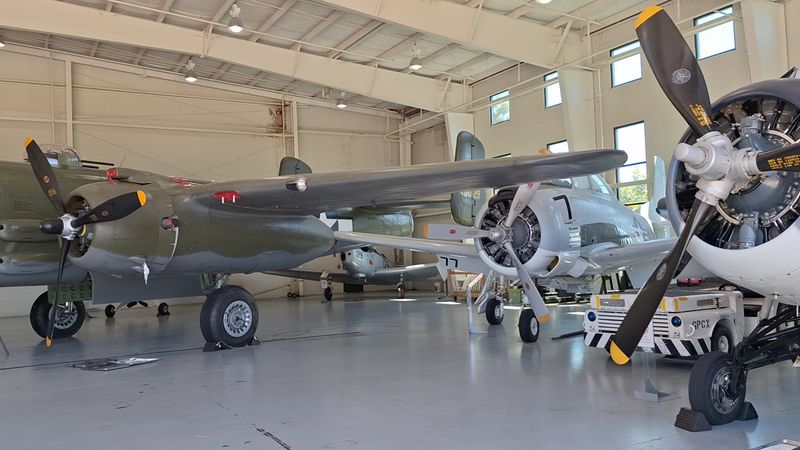
Self-guided exploration at the Military Aviation Museum, Virginia Beach is perfectly enjoyable, but the complimentary guided tours transform the visit into something on a completely different level.
Multiple tours run throughout the day, led by docents who clearly have deep personal passion for military aviation history.
These tours cover the World War I hangar, the authentic historic buildings including the Goxhill Watch Office and the Cottbus Hangar, and various other areas of the campus that casual self-guided visitors might overlook entirely.
The stories shared along the way, including the remarkable tale of a message left by a Polish slave laborer inside the German hangar, carry an emotional weight that no information panel can replicate.
Groups of all ages seem to respond enthusiastically to these tours, and the docents are genuinely skilled at adjusting their presentation to the audience in front of them. Families with young children get a different experience than groups of dedicated aviation historians, and both come away satisfied.
My strong recommendation is to arrive early enough to catch the first tour of the day, then use the remaining time to revisit the areas that resonated most. You will absolutely want that second look.
A Free Dinosaur Park at the Entrance Called Jerrassic Park
Not every member of every family group is going to arrive at the Military Aviation Museum, Virginia Beach with equal enthusiasm for vintage aircraft, and the museum seems to know this perfectly well.
Right at the entrance, completely free and open to all, sits Jerrassic Park, a full outdoor dinosaur park featuring large, colorful dinosaur sculptures scattered across the grass.
It is quirky, it is charming, and it is absolutely effective at keeping younger visitors entertained while the aviation obsessives in the group spend an extra twenty minutes staring at a Corsair.
Kids absolutely love it, and honestly, it is hard not to crack a smile walking past a giant T-Rex on your way to see a Messerschmitt.
The combination of warbirds and dinosaurs in one location is so wonderfully unexpected that it almost feels like a deliberate joke, and yet it works perfectly. Virginia Beach has a reputation for beach tourism, but this museum proves the city has a lot more going on beneath the surface.
The free dinosaur park is a small detail in the grand scheme of the visit, but it perfectly captures the playful, welcoming spirit that makes this museum so easy to love for the whole family.
Plan Your Visit to 1341 Princess Anne Road
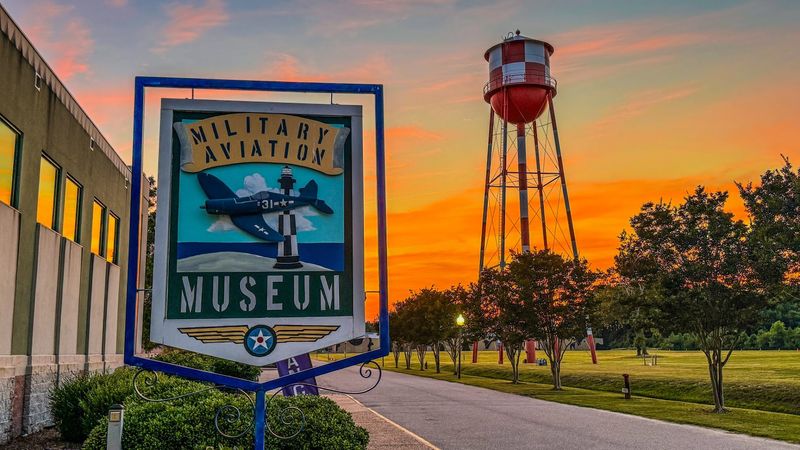
Getting to the Military Aviation Museum, Virginia Beach is straightforward, and the campus itself is laid out in a way that makes navigation easy even on a first visit.
The museum sits on a sprawling 130-acre property in the Pungo area of Virginia Beach, surrounded by open fields and the quiet charm of rural coastal Virginia.
The museum is open daily and welcomes visitors throughout the year, with the exception of Thanksgiving Day and Christmas Day. Admission pricing is genuinely reasonable for what the museum delivers, with discounts available for seniors, military personnel, teachers, and young visitors.
Children four and under get in free, which makes this an accessible family outing without the financial stress of a major theme park.
Plan to spend at least three hours on site, though aviation enthusiasts will likely find themselves stretching that to a full afternoon without any difficulty. Comfortable walking shoes are a practical necessity since the campus is large and the hangars are spread across the property.
The address is 1341 Princess Anne Road, Virginia Beach, VA 23457. Pack your curiosity, leave your expectations modest, and prepare to be completely blown away by what Virginia has quietly been keeping to itself all this time.
