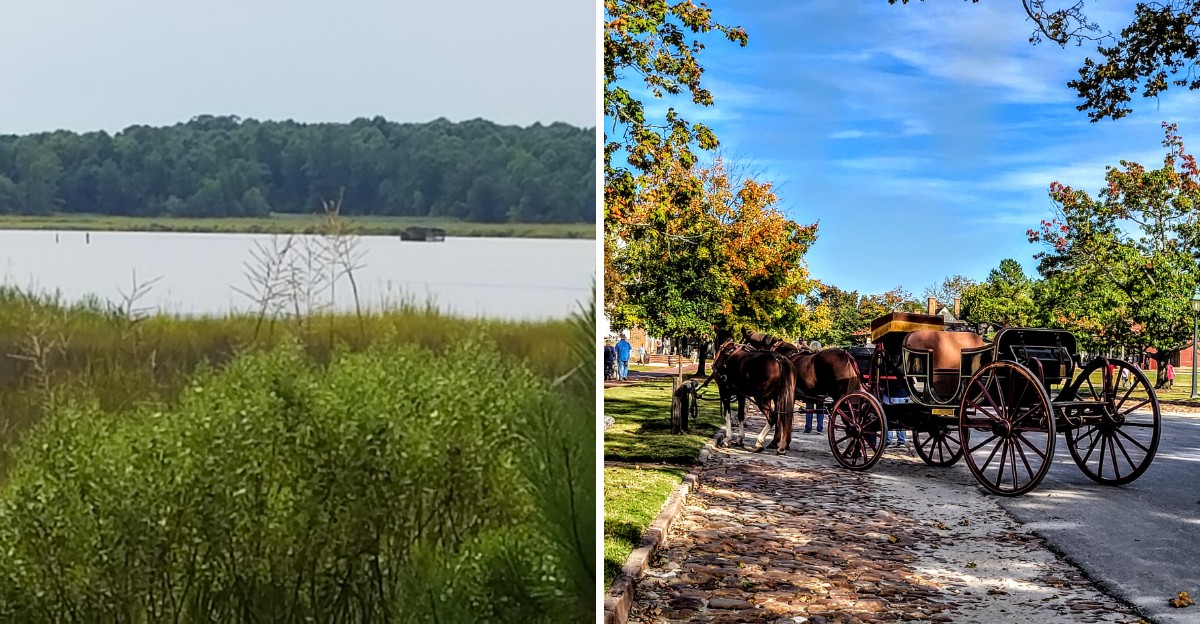
Driving this route is not like driving anywhere else in Virginia. The Colonial Parkway connects three historic towns, but the road itself is the attraction.
It is a beautiful stretch of pavement that winds through forests and along the river, with no commercial trucks, no billboards, and no stoplights. But there is a darker side to this scenic drive.
Over the years, the parkway has been the site of several unsolved murders and disappearances, cases that remain open decades later. The combination of history and mystery has given the road a reputation that draws curious travelers and paranormal enthusiasts.
Some people drive it for the views. Others drive it for the stories.
Either way, you will not forget the experience. The parkway is beautiful during the day, but it takes on a different feeling after dark.
Go with a full tank and an open mind.
A Road Built To Look Like The Past
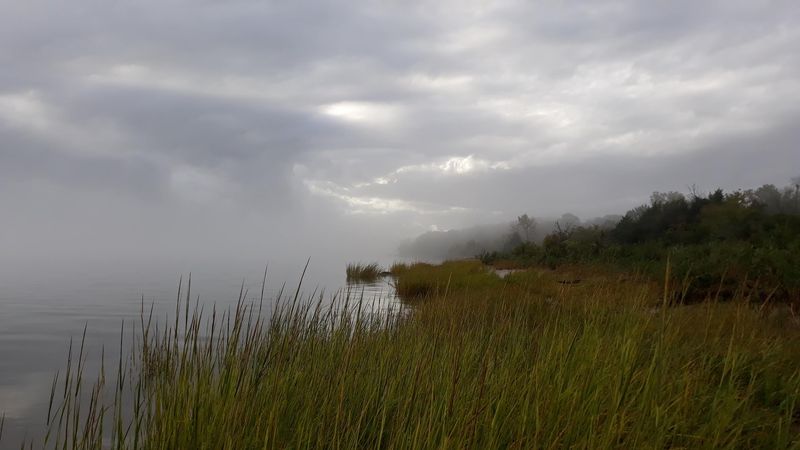
Notice something odd the moment your tires hit the surface. There is no asphalt here, no bright white stripes, no billboards shouting for attention.
The roadway was poured as exposed aggregate concrete, textured and tinted to blend with the surrounding woods rather than fight them. That rough hum under your wheels is part of the design.
Three lanes run without painted center lines for long stretches, which forces a slower, more deliberate kind of driving. Commercial trucks are banned outright, so you share the road with cars, cyclists and the occasional wild turkey.
Bridges are faced in local stone and brick, arched like something from a much older century. Overpasses were deliberately built so that modern highways cross above or below, keeping the view uncluttered.
Every curve was plotted to reveal water, marsh or forest rather than parking lots. Utility lines were buried out of sight.
The Colonial Parkway is managed by the National Park Service as part of Colonial National Historical Park, which explains the absence of gas stations and drive-thrus.
Drive it once and ordinary interstates start to feel loud, garish and rushed by comparison.
Jamestown To Yorktown In One Unbroken Ribbon
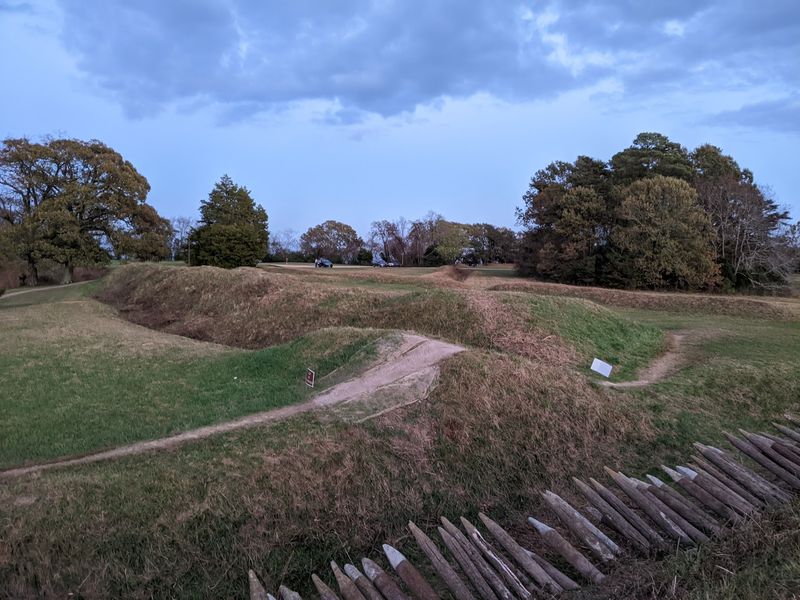
Three chapters of American history sit at either end and in the middle of this drive, stitched together on purpose. Jamestown anchors the western tip, Williamsburg sits at the waist, Yorktown caps the eastern end.
Start at Jamestown Island and you are standing where England’s first lasting American settlement took root, complete with swampy ground and a stubborn survival story.
Roll northeast and the road slips under Williamsburg entirely, passing through a tunnel beneath the restored colonial capital so the historic district stays quiet above.
Continue on and the York River opens up beside you, wide and glittering, until you reach the battlefield where the British surrender effectively ended the Revolutionary War.
Nowhere else in the country can you trace colonial birth, colonial government and colonial independence in a single unhurried drive.
Pull-offs along the route come with interpretive signs that explain shipwrecks, river crossings and troop movements in plain language.
Give yourself half a day minimum, because the temptation to stop is constant and completely justified.
Virginia packed an absurd amount of significance into a very short distance, and the Colonial Parkway is the thread holding it together.
The Overlooks Where The Water Gets Loud
Pull into one of the riverside turnouts and cut the engine. Suddenly the soundtrack is water slapping against rock, wind through reeds and birds arguing in the canopy.
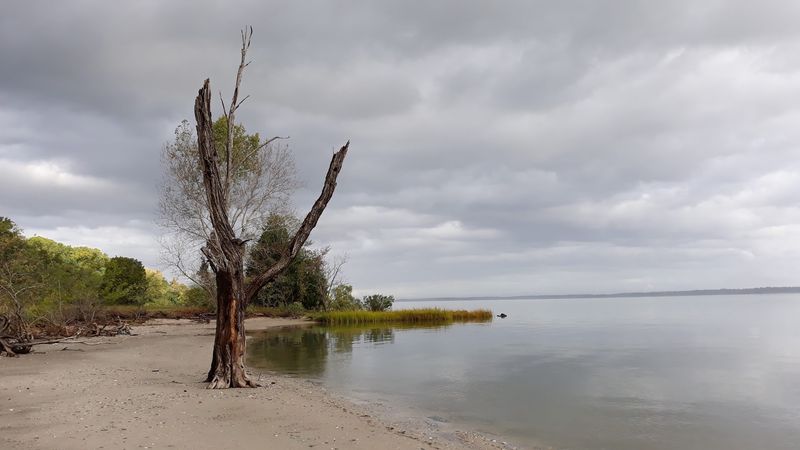
Several overlooks hug the York River side, where the shoreline widens into beaches of sand and shell. Others face the James River near Jamestown, flat and mirror-still at dawn.
Bring binoculars. Bald eagles nest in the area, osprey hunt the shallows, and herons stalk the mudflats with unnerving patience.
Sunrise on the eastern stretch turns the river copper, and sunset near Jamestown does the same trick in reverse.
Parking areas are small, gravel-edged and unmarked by vending machines or gift shops, which is exactly the appeal.
Fishing and wading happen here, though currents deserve respect and conditions change quickly.
Pack water and snacks before you set out, because there are no shops along the route itself.
Fog is the wild card. On humid mornings it pours off the water and swallows the road, which is atmospheric from a parked car and genuinely dangerous at speed.
Slow down, stay alert, and let the view earn its keep.
Cold Cases That Still Haunt The Route
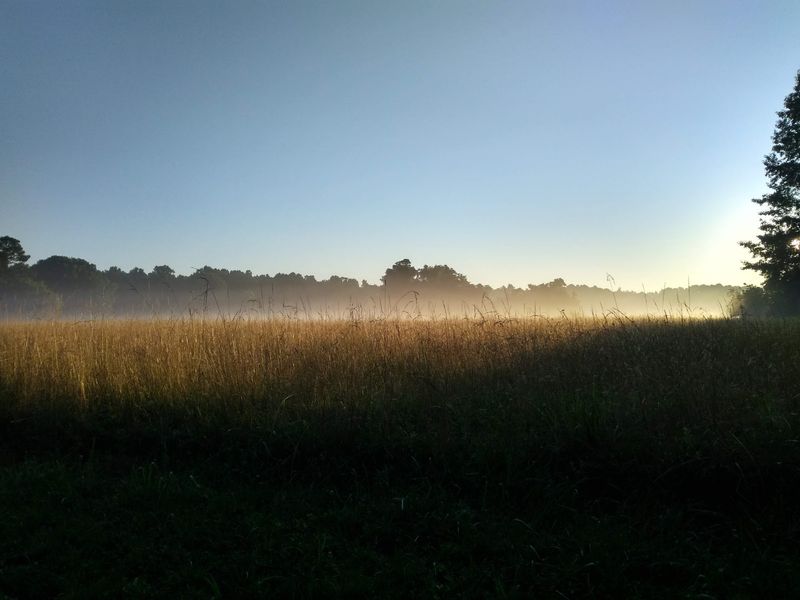
Beauty and dread share this road, and there is no pretending otherwise. Between 1986 and 1989, four double homicides in the region became collectively known as the Colonial Parkway Murders.
Two of the cases occurred at or very near pull-offs along the roadway itself. The others happened elsewhere in the area, yet investigators linked them in the public imagination and in official files.
Eight young people died. The cases remain officially unsolved, though the FBI and Virginia State Police have revisited them repeatedly over the decades.
Renewed attention has come through podcasts, documentaries and persistent family advocacy pushing for answers and records release.
Investigators have named and ruled out persons of interest over the years, and DNA testing has been applied as technology improved.
Nothing about the drive is inherently unsafe today, but the overlooks are isolated, unlit and empty after dark.
Common sense applies. Visit in daylight, tell someone your route, and keep your phone charged.
Knowing the history changes how the quiet feels, and that is part of why the Colonial Parkway occupies such a strange place in Virginia’s collective memory.
Peyton Randolph House And Its Restless Reputation
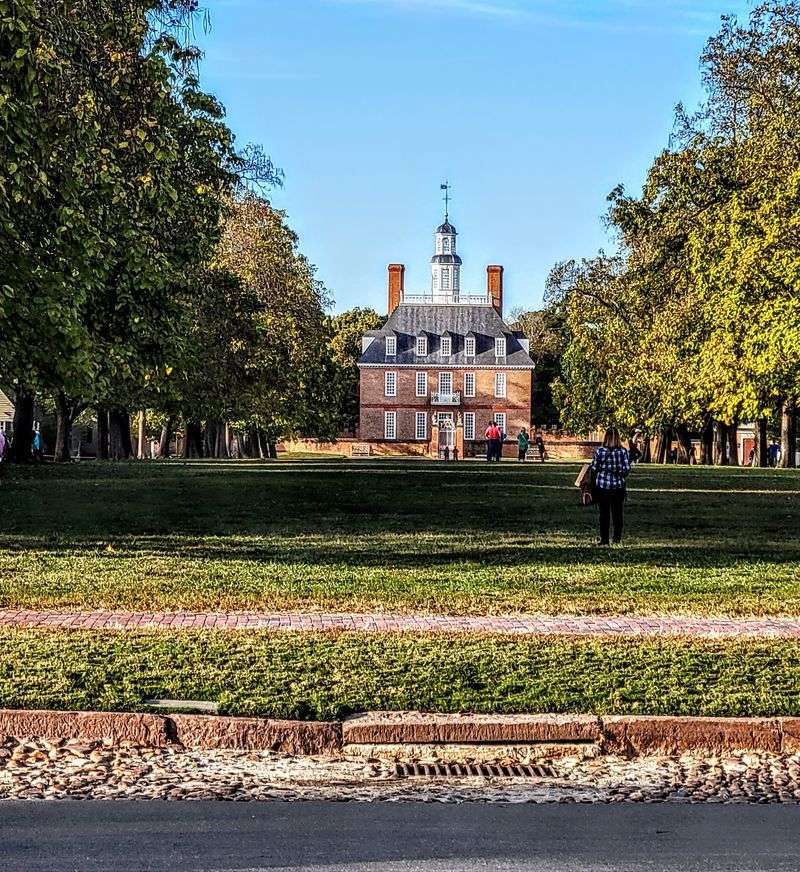
Blood-red clapboard, white trim, and a reputation that follows it around like a shadow. The Peyton Randolph House sits in Williamsburg’s Historic Area, minutes from the parkway tunnel.
Randolph himself presided over Virginia’s House of Burgesses and served as the first president of the Continental Congress, making this one of the most historically loaded homes in town.
The structure is among the oldest surviving buildings in the restored district, with original 18th century paneling that has watched a lot of history pass through.
Ghost stories attach themselves here more than anywhere else in Williamsburg, and evening lantern tours lean into that reputation with enthusiasm.
Documented tragedy in and around the property over generations gave the legends their fuel, from illness to accidents to sudden deaths.
Daylight visits reveal something different: exquisite joinery, a reconstructed kitchen yard, and gardens worth lingering in.
Access typically requires a Colonial Williamsburg admission ticket, and interior openings vary by season, so check the daily programme.
Walk the block at dusk when the gas lamps flicker on and you will understand why this corner of Virginia never quite shakes its haunted label.
Bacon’s Castle Stands Across The River
Curvilinear gables, triple stacked chimneys, dark Jacobean brick. Bacon’s Castle in Surry County looks like it wandered off an English moor and got lost in tidewater Virginia.
Built in the 1660s, it stands as the oldest documented brick dwelling in English North America, which is a genuinely staggering claim.
The name comes from Nathaniel Bacon’s followers, who seized and occupied the house as a stronghold during Bacon’s Rebellion in 1676.
Preservation Virginia cares for the property today, and the grounds include one of the oldest surviving English formal gardens in the country.
Guided interpretation covers the enslaved people who lived and laboured here, alongside the architecture and the rebellion.
Paranormal lore clings to the place too, especially tales of a mysterious light that reportedly crossed the fields at night.
Reaching it from the parkway area means a short ride on the Jamestown Scott ferry across the James River, which is free and scenic.
Combine the two and you get a proper day out. Ferry breeze, river gulls, then a 17th century manor waiting on the far bank.
Mount Vernon Sits At The Other End Of The Story
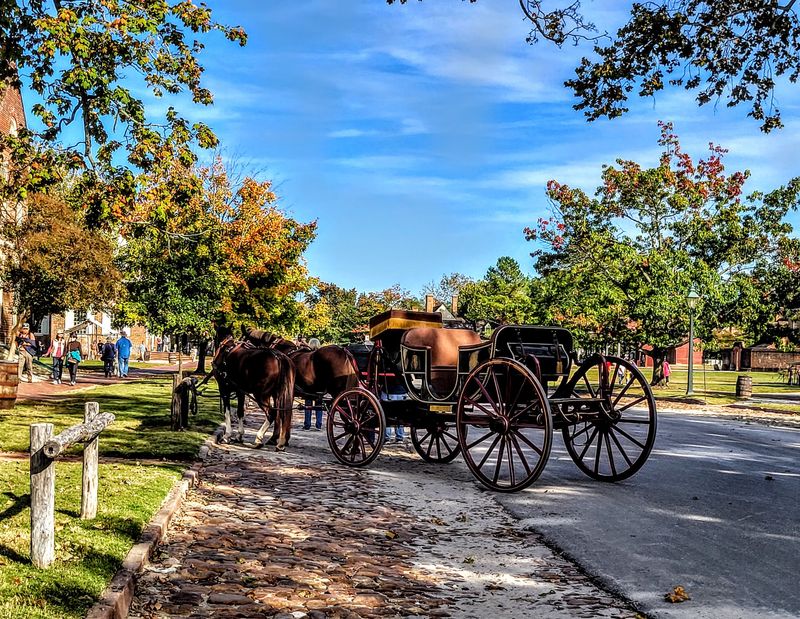
Picture a long columned piazza, a bowling green out front, and the Potomac sliding past below. George Washington’s Mount Vernon completes the arc that the Colonial Parkway begins.
Yorktown gave Washington his decisive victory. This estate north of Alexandria is where he came home, farmed obsessively and eventually died.
The mansion’s exterior uses rusticated boards carved and sanded to imitate stone, a clever bit of 18th century showmanship.
Beyond the house, the grounds hold a working blacksmith shop, a reconstructed distillery and gristmill nearby, and the slave memorial and burial ground.
Interpretation here addresses the more than three hundred enslaved people who made the plantation function, which is essential context rather than a footnote.
Ghost stories exist, naturally, though the estate itself sticks firmly to documented history.
Plan for several hours. Mansion tours run on timed tickets and the outbuildings, trails and riverside views deserve unhurried attention.
Driving north from Williamsburg takes a few hours, so treat it as a separate day rather than a detour.
Virginia bookends the Revolution neatly, and Mount Vernon is the closing chapter.
Adam Thoroughgood House And Ferry Plantation In Virginia Beach
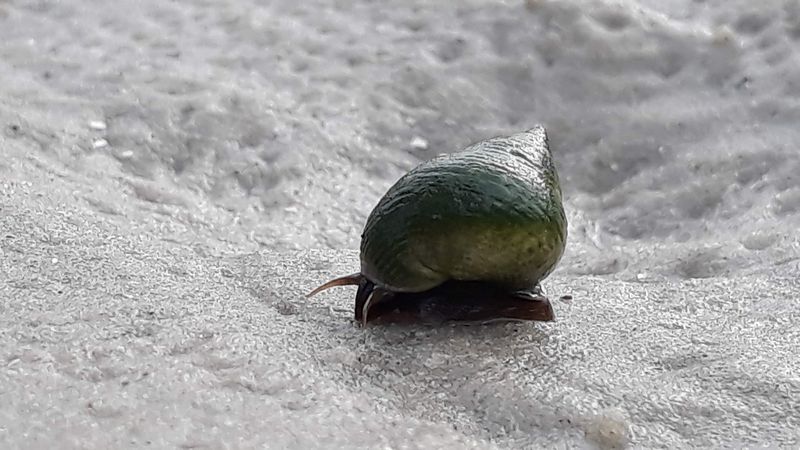
Two of the oldest brick houses in the region wait about an hour southeast, tucked into suburban Virginia Beach neighbourhoods.
The Adam Thoroughgood House is compact, sturdy and startlingly early, a modest brick dwelling with a massive chimney and medieval English proportions.
Its construction date has been debated by architectural historians for years, which only adds to the mystique of the place.
Nearby, Ferry Plantation House rises three stories in Federal style brick, built partly from materials salvaged from an earlier house on the site.
The land once held a ferry crossing on the Lynnhaven River, and it connects directly to the story of Grace Sherwood, the so-called Witch of Pungo.
Sherwood was tried by ducking in the nearby river in 1706, and she was formally exonerated by the Governor of Virginia three centuries later.
Ferry Plantation leans into its haunted reputation with candlelight tours and seasonal programming.
Both sites keep limited seasonal hours and operate with volunteer support, so confirm openings before setting out.
Small, strange and deeply old, they make a fine counterweight to the polished grandeur further inland.
Weems Botts And The Fairfax Station Railroad Museum
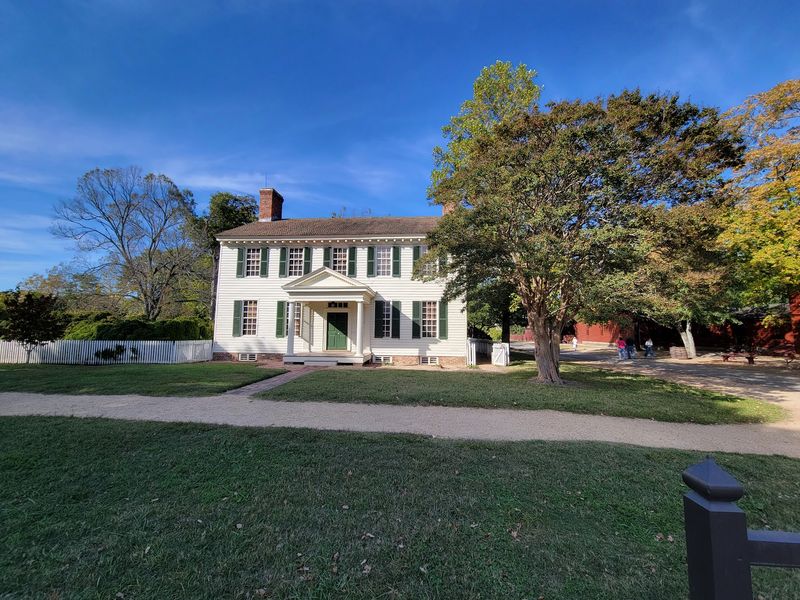
Small buildings, outsized stories. Head north and two modest museums deliver more atmosphere per square foot than places ten times their size.
The Weems Botts Museum in Dumfries occupies a tiny clapboard structure once used by Parson Mason Locke Weems, the bookseller who invented the cherry tree tale about Washington.
Attorney Benjamin Botts later used the building as a law office, having served on Aaron Burr’s defence team.
Later residents, the Merchant family, left behind the sadder layer of the story, including a daughter confined upstairs for years, which is why the ghost tours sell out every October.
Further north, the Fairfax Station Railroad Museum sits in a restored depot on the site where Clara Barton tended wounded soldiers after the Battle of Second Manassas.
Model train layouts, railroad artifacts and Civil War interpretation fill the small interior.
Both operate on limited schedules with volunteer staffing, so check before you drive.
Neither requires much time, which makes them ideal stops when you are heading up the corridor from the Colonial Parkway toward the capital region.
Overnight Stays With Character In The Mountains
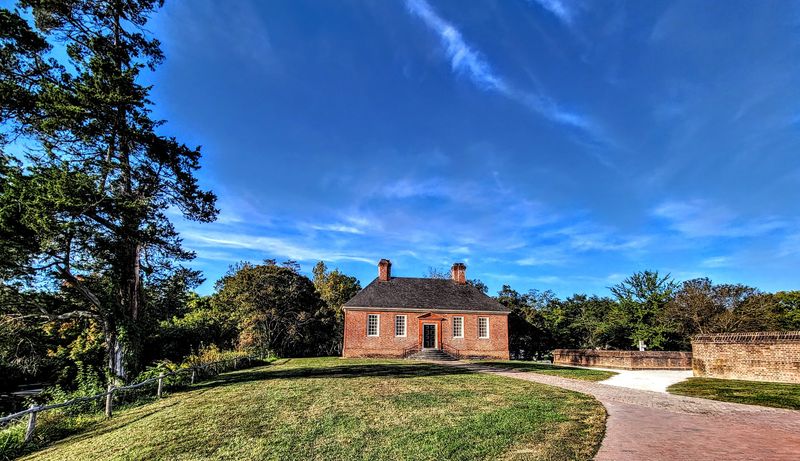
Want to sleep somewhere with a story attached? Two historic hotels in western Virginia turn lodging into part of the itinerary.
The Martha Washington Inn and Spa in Abingdon began as a private mansion, later served as a women’s college, and functioned as a Civil War hospital.
Wide porches, rocking chairs and a grand staircase set the tone, and the Barter Theatre sits directly across the street.
Staff share long-running tales of a violin heard in empty hallways, which the property has never tried to hush up.
Over in Staunton, the Blackburn Inn occupies a building designed by Thomas R. Blackburn, a draftsman who worked with Thomas Jefferson at the University of Virginia.
The structure originally served as Western State Hospital, and its Jeffersonian arches, domed ceilings and long corridors survive beautifully restored.
Both sit far west of the coast, so pair them with the Blue Ridge rather than the tidewater run.
Back east, the Colonial Parkway runs through Virginia between Jamestown and Yorktown, threaded under Williamsburg, and the official address is simply Colonial Parkway, Virginia, USA.
Grab the keys, chase the fog, and let the road do the talking.
