Virginia is growing in many places, but not everywhere. Some towns are shrinking, and the main reason is property taxes.
They have climbed to record highs, pushing longtime residents out of homes their families have owned for generations. I have watched this happen in communities across the state.
Small towns where the main street used to be busy now feel quiet. The taxes make it hard for young families to buy in, and they make it hard for retirees to stay.
Slowly, the population drops. This list looks at ten Virginia towns that are losing residents, not because people want to leave, but because they cannot afford to stay.
It is a complicated story with no easy answers.
1. Virginia Beach
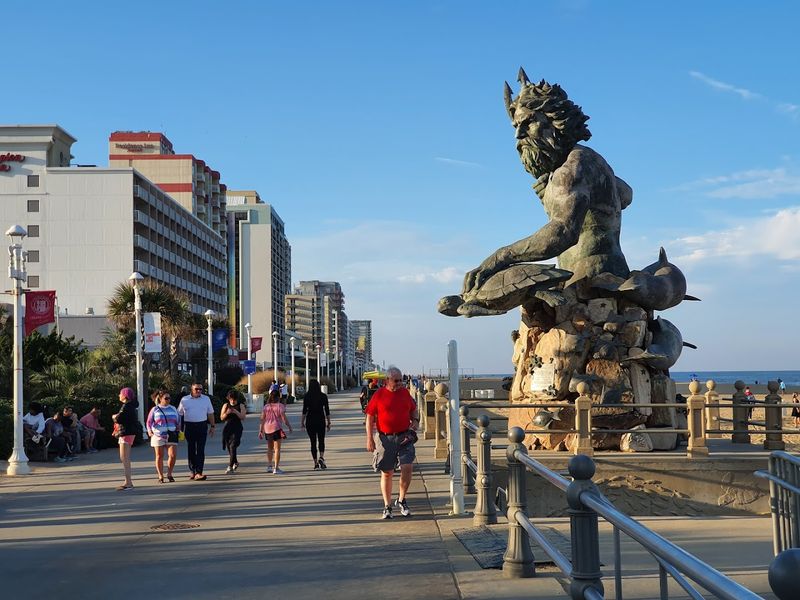
Few places in Virginia pack as much energy into a single zip code as Virginia Beach. The wide, sun-drenched Atlantic shoreline draws millions of warm-weather seekers every year, and the boardwalk buzzes with an infectious coastal electricity that is genuinely hard to resist.
Surfers, cyclists, and street performers share the same stretch of pavement, and the whole scene feels like summer never ends.
But behind the postcard-perfect views, something more complicated is unfolding. Beachfront and near-beach property values have surged dramatically over the past several years, and with those values come reassessments that leave longtime homeowners staring at tax bills that feel almost fictional.
Families who have lived here for generations are quietly packing up and moving to cheaper inland communities.
The local workforce, including teachers, nurses, and service workers, is feeling the squeeze hardest. Many simply cannot afford to live in the city where they work.
Commutes are getting longer as people relocate further from the coast just to find manageable housing costs.
Virginia Beach still delivers an undeniably spectacular travel experience. The resort strip along Atlantic Avenue is lined with hotels, casual eateries, and oceanfront entertainment that keeps the vibe lively year-round.
The nearby Back Bay National Wildlife Refuge adds a quieter, more contemplative dimension to the visit. Located at the southeastern tip of Virginia, Virginia Beach remains a must-visit destination, even as its permanent population quietly reshapes itself around rising costs that show no sign of slowing down anytime soon.
2. Alexandria
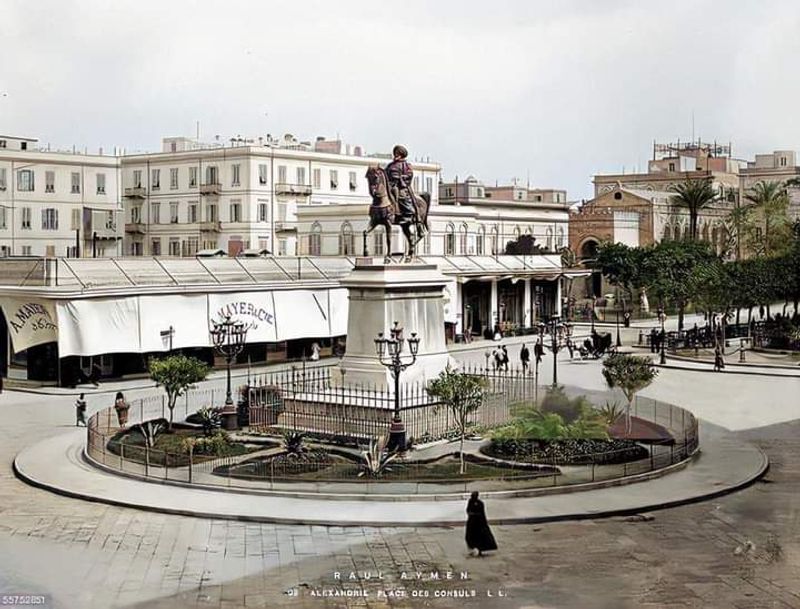
Walking through Old Town Alexandria feels like stepping into a living museum where colonial architecture meets upscale modern energy. The cobblestone streets, gas-style lanterns, and beautifully preserved Federal-style row houses create an atmosphere that is genuinely unlike anywhere else in the mid-Atlantic region.
It sits just a short drive from Washington, D.C., and that proximity has always made it desirable.
That desirability, however, comes with a staggering price tag. Alexandria carries one of the steepest property tax burdens in all of Virginia, and annual bills for homeowners can climb well past the point of comfort.
Real estate assessments have risen sharply as demand from government workers, lobbyists, and D.C. commuters continues to push property values skyward.
Long-time residents who bought their homes decades ago at modest prices are now sitting on properties assessed at figures that generate eye-watering tax obligations. Many are selling and relocating to more affordable parts of Northern Virginia or further south into the Shenandoah Valley.
For travelers, though, Alexandria is an absolute treasure. King Street is the main artery of Old Town, lined with independent boutiques, waterfront parks, and beautifully restored historic buildings.
The Torpedo Factory Art Center at 105 N. Union St. is a converted World War II munitions factory turned creative hub housing working artists and galleries.
The Potomac waterfront at dusk is genuinely breathtaking. Alexandria, Virginia offers visitors an experience that feels both grand and intimate, even as the community that built its character slowly fades into the surrounding suburbs.
3. Williamsburg
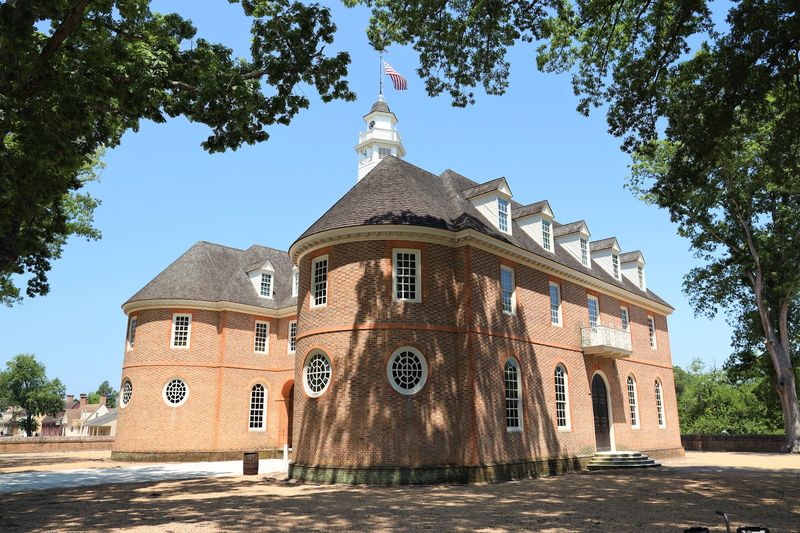
Colonial Williamsburg is arguably the most ambitious living history project in the entire United States. The restored colonial capital stretches across a remarkably well-preserved footprint in the heart of the Virginia Peninsula, where costumed interpreters, working craftsmen, and period-accurate buildings transport visitors straight into the eighteenth century.
It is theatrical, educational, and surprisingly moving all at once.
Beyond the historic district, modern Williamsburg has evolved into one of the most popular retirement destinations on the East Coast. The appeal is obvious: mild climate, cultural richness, excellent healthcare access, and a college-town atmosphere courtesy of the College of William and Mary.
But that retirement popularity has inflated property valuations across the entire area at a pace that younger and lower-income residents simply cannot keep up with.
Reassessments have consistently pushed tax bills higher, and many working-class families who once made up the backbone of the local service economy are relocating to neighboring James City County or further west toward Toano and Toano-area communities to find something affordable. The town’s character is slowly shifting toward a more affluent, older demographic.
Travelers, of course, are still richly rewarded here. The Colonial Williamsburg Historic Area on Duke of Gloucester Street delivers an experience that is both immersive and intellectually satisfying.
Nearby Busch Gardens Williamsburg adds a completely different kind of thrill. The College of William and Mary campus, located on Jamestown Road, is strikingly beautiful and open to public strolling.
Williamsburg, Virginia remains one of the most compelling destinations in the entire Commonwealth, even as its community landscape quietly transforms.
4. Portsmouth
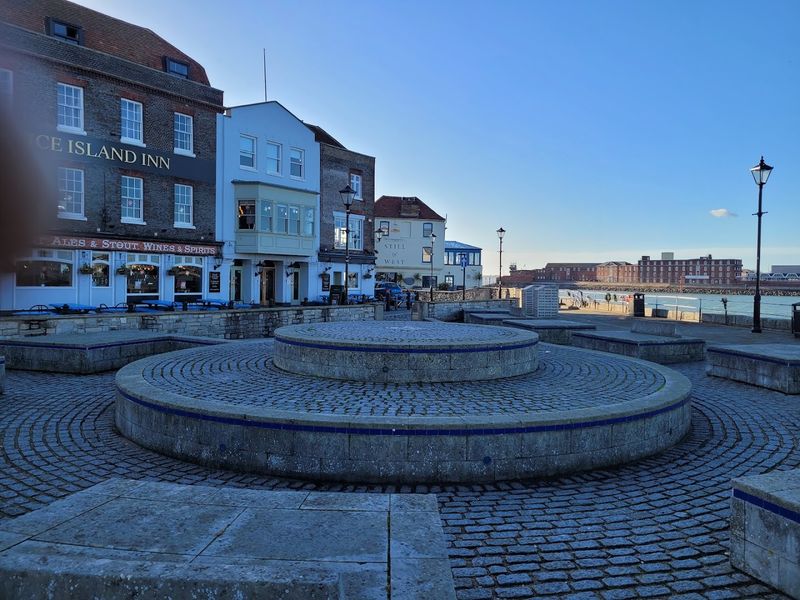
Portsmouth sits quietly across the Elizabeth River from Norfolk, and it carries a soulful, unhurried energy that feels refreshingly different from its louder neighbors in the Hampton Roads region. The Olde Towne Historic District is one of the largest collections of pre-Civil War architecture anywhere on the East Coast, and wandering its tree-lined streets feels like uncovering a genuinely well-kept secret.
Yet Portsmouth has been watching its population shrink for years. The combination of rising property tax assessments, aging infrastructure, and economic uncertainty has pushed many residents to seek more affordable communities further inland.
The naval presence that long anchored the local economy has also shifted, leaving certain neighborhoods feeling the economic weight of that transition.
What makes this particularly bittersweet is how much genuine charm Portsmouth still possesses. The waterfront has seen investment in recent years, and the ferry connection to downtown Norfolk adds a fun, practical dimension to daily life.
Still, the math of homeownership here has become increasingly difficult for moderate-income families who cannot absorb repeated assessment increases.
For travelers exploring Virginia’s coastal history, Portsmouth is a remarkable stop. The Naval Shipyard Museum at 2 High Street offers a fascinating look at the region’s deep maritime heritage.
The Olde Towne neighborhood along Court Street and Glasgow Street is perfect for a self-guided architectural walk past stunning Victorian and Federal-style homes. The Portsmouth waterfront park along the Elizabeth River provides sweeping views of the Norfolk skyline.
This is a town that rewards the curious traveler who takes the time to look beyond the surface.
5. Chincoteague Island
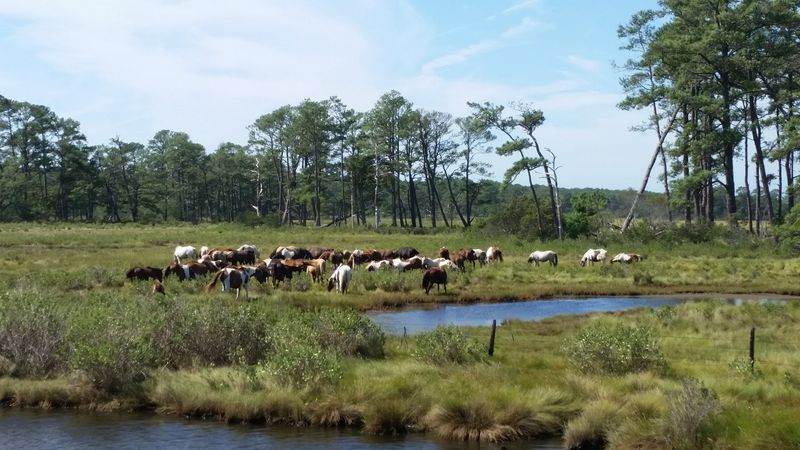
Chincoteague Island occupies a special place in the American imagination, largely thanks to the famous wild ponies that roam the neighboring Assateague Island. The annual pony swim and auction is one of the most uniquely American traditions anywhere in the country, drawing enormous crowds to this small barrier island community tucked into Virginia’s Eastern Shore.
The marshes, the light, and the sheer quietness of the place are genuinely restorative.
But the island’s magical reputation has become a double-edged sword for year-round residents. The vacation-home boom that accelerated dramatically over the past several years has sent property values into territory that local fishermen, shopkeepers, and service workers simply cannot afford.
Tax assessments have followed those values upward, and the financial pressure on permanent residents is very real.
The community that gives Chincoteague its authentic character is quietly shrinking as more properties convert to short-term rentals and seasonal vacation homes. The year-round population has been declining steadily, and local institutions like schools and small businesses feel the ripple effects of that shift.
Travelers find Chincoteague absolutely enchanting, and honestly, it deserves every bit of that enthusiasm. The Chincoteague National Wildlife Refuge on Beach Road provides world-class bird watching and pristine Atlantic beaches that feel blissfully uncrowded outside of summer.
The main street through town is lined with charming shops and the kind of easy coastal atmosphere that makes you want to linger. Located on Virginia’s Eastern Shore, Chincoteague is the kind of place that gets under your skin and stays there long after you have crossed back over the bridge.
6. Charlottesville
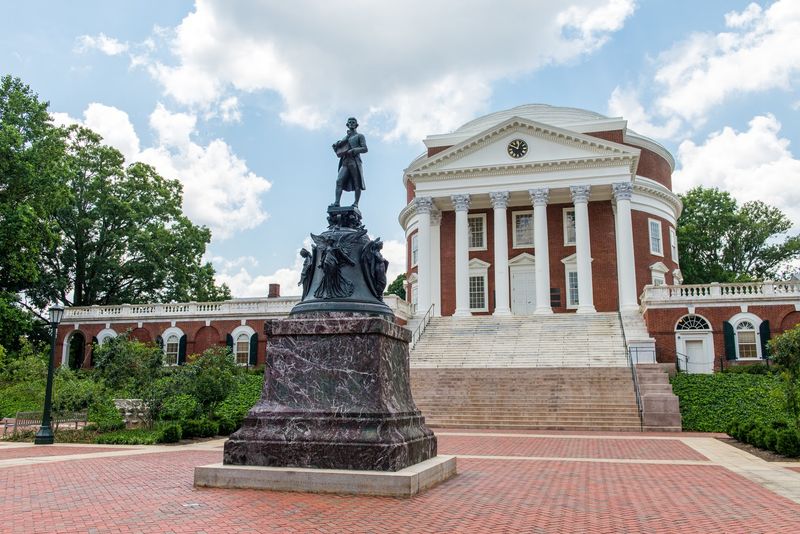
Charlottesville radiates a particular kind of intellectual and cultural energy that is immediately noticeable the moment you arrive. Home to the University of Virginia, one of Thomas Jefferson’s most celebrated architectural achievements, the city blends collegiate vitality with a sophisticated arts scene, a thriving local food culture, and some of the most beautiful mountain views in the entire state.
The Blue Ridge Mountains form a dramatic backdrop that makes even a casual afternoon stroll feel cinematic.
The real estate market here has been on a relentless upward climb for years. The combination of university-driven demand, an influx of remote workers from Northern Virginia and Washington, D.C., and a limited housing supply has pushed property values and subsequent tax assessments to levels that have genuinely shocked long-time residents.
Charlottesville’s surrounding Albemarle County has seen some of the most dramatic assessment increases in recent memory.
Working families and lower-income residents are increasingly priced out of the city proper, relocating to neighboring counties like Nelson, Greene, and Fluvanna in search of affordability. The community that once gave Charlottesville its eclectic, inclusive character is being quietly replaced by a wealthier demographic that can absorb the rising costs.
Travelers, meanwhile, are spoiled for choice here. The Downtown Mall on East Main Street is a beautifully walkable pedestrian zone with independent shops and a lively outdoor atmosphere.
Monticello, Jefferson’s iconic estate at 931 Thomas Jefferson Pkwy, is an absolute must. The Shenandoah National Park entrance is just a short drive west.
Charlottesville, Virginia is stunning, complicated, and completely worth every mile of the journey to reach it.
7. Abingdon
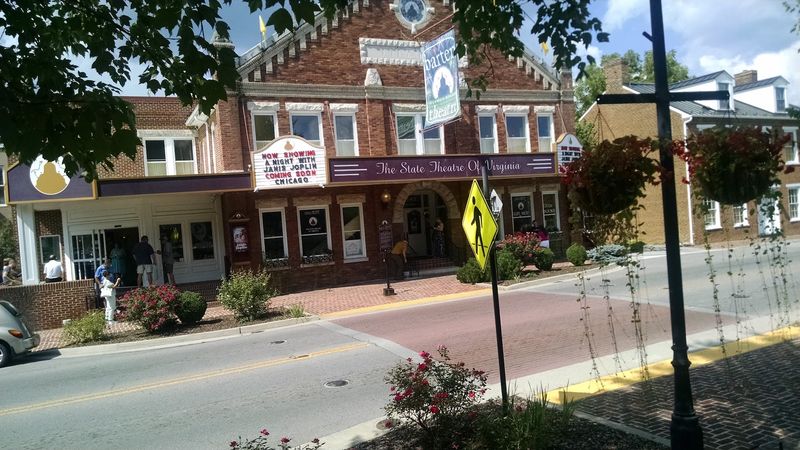
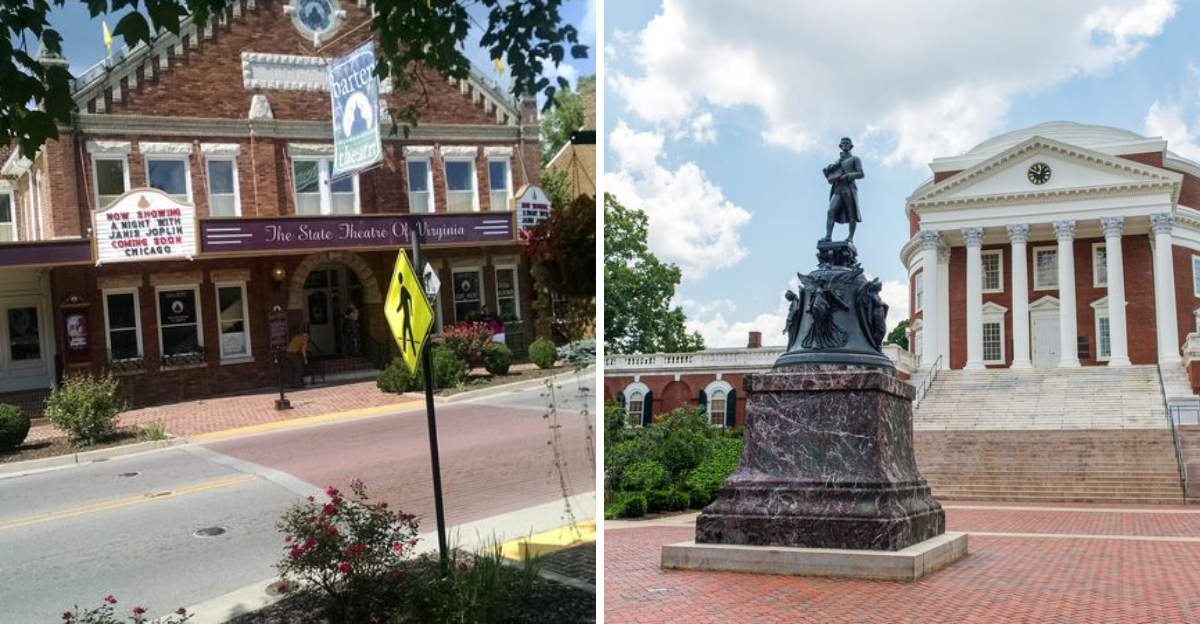
Abingdon sits in the far southwestern corner of Virginia like a beautifully kept secret that the rest of the country has not quite caught up with yet. The historic downtown along Main Street is a genuinely lovely collection of Victorian commercial architecture, independent galleries, and the legendary Barter Theatre, which holds the distinction of being Virginia’s official state theatre and one of the longest continuously running professional theatres in the entire country.
The surrounding landscape is jaw-droppingly gorgeous. Rolling farmland, forested ridgelines, and the proximity to the Virginia Creeper Trail make this corner of the Commonwealth a paradise for outdoor enthusiasts and scenic road-trippers alike.
The atmosphere is warm, unhurried, and deeply rooted in Appalachian tradition.
But Abingdon, like many Southwest Virginia communities, is navigating a demographic shift that reflects broader regional trends. An aging population, limited economic diversification, and the steady departure of younger residents seeking employment opportunities elsewhere have left the town in a state of quiet transition.
Property tax pressures compound the challenge for retirees on fixed incomes who find reassessments increasingly difficult to absorb.
Travelers who make the effort to reach Abingdon are richly rewarded. The Barter Theatre at 127 W.
Main St. offers professional-quality performances in an intimate historic setting that feels genuinely special. The Virginia Creeper Trail, stretching from Abingdon through Damascus and into the Mount Rogers National Recreation Area, is one of the finest rail-trail experiences in the entire mid-Atlantic region.
Abingdon is the kind of town that makes you slow down, look around, and wonder why you did not come sooner.
8. Grundy
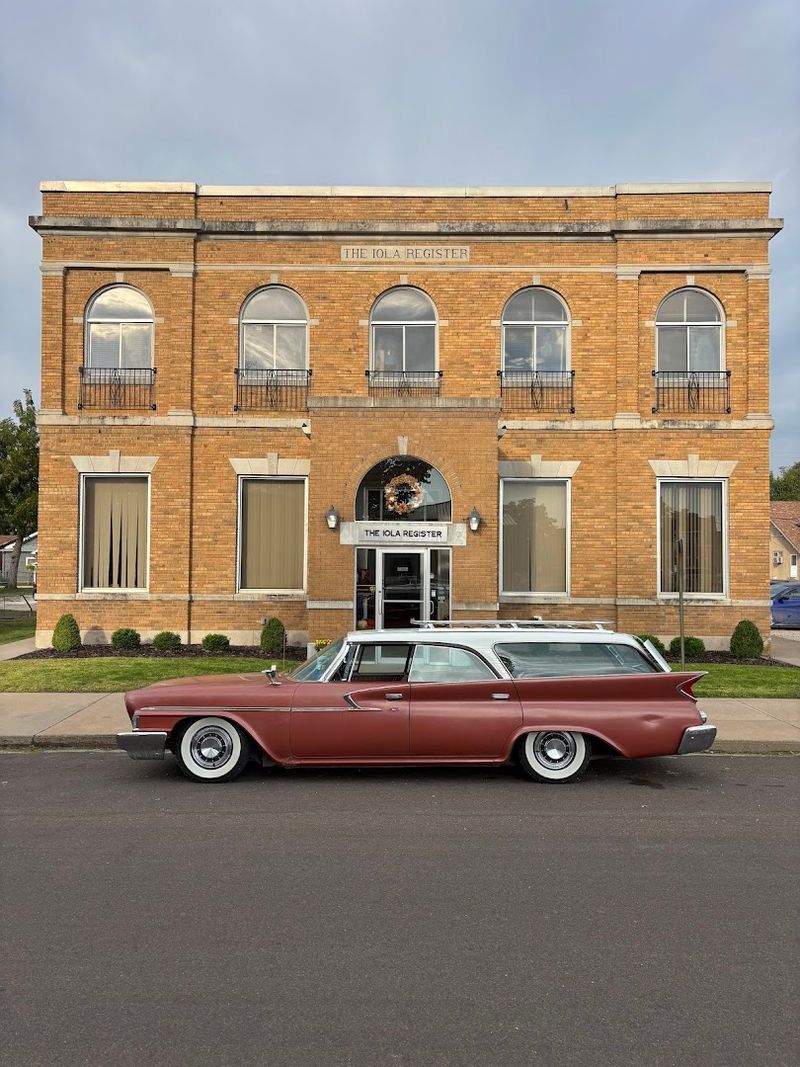
Grundy is the kind of place that demands a certain adventurous spirit to appreciate fully. Tucked deep into Buchanan County in Virginia’s coalfield region, this small mountain town sits dramatically in a river valley surrounded by some of the most rugged and visually striking Appalachian terrain anywhere in the eastern United States.
The Levisa Fork of the Big Sandy River winds through town, and the forested ridgelines rise steeply on every side.
The coal industry that once defined this entire region has declined sharply over the past few decades, and Grundy has felt that contraction more acutely than most. Buchanan County is projected to lose nearly half its population by mid-century, and the decline is already well underway.
Younger residents are leaving for educational and economic opportunities in Roanoke, Bristol, and beyond, leaving an aging community behind.
Property tax concerns here take a different shape than in Virginia’s coastal or suburban communities. The issue is not simply rising assessments but rather the challenge of maintaining adequate public services and infrastructure for a shrinking tax base.
The fiscal math of depopulation is genuinely difficult, and it creates a cycle that accelerates further departure.
Road-trippers cutting through Southwest Virginia on U.S. Route 460 find Grundy surprisingly compelling.
The dramatic mountain scenery alone justifies a stop, and the town’s ongoing revitalization efforts, including the University of Virginia’s College at Wise nearby, hint at a resilient community spirit. Grundy is not finished yet, and the mountains surrounding it are as magnificent as any in the entire Commonwealth.
9. Galax
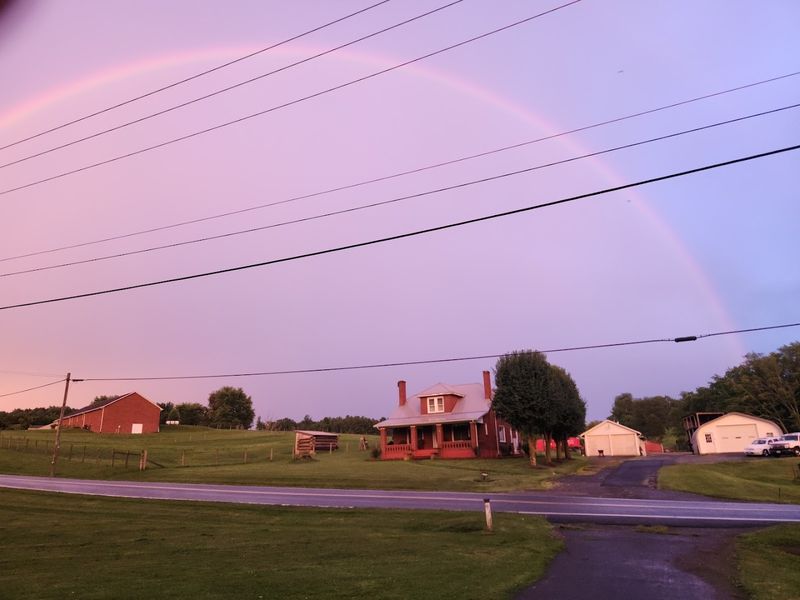
Galax holds a title that is as specific as it is magnificent: the self-proclaimed world capital of old-time mountain music. Every August, the town hosts the Old Fiddlers Convention, one of the oldest and most celebrated traditional music festivals in the entire country.
The sound of fiddles, banjos, and flatfoot dancing fills Felts Park, and for that one glorious week, Galax becomes the beating heart of Appalachian musical culture.
Beyond the festival, Galax sits at a beautiful elevation along the Blue Ridge Plateau, offering crisp air, rolling pastoral scenery, and easy access to the New River Trail State Park and the Blue Ridge Parkway. The historic downtown along Oldtown Street has a quiet, genuine character that feels refreshingly unpolished and authentic compared to more touristy Virginia destinations.
The community, however, is shrinking. Manufacturing losses, limited economic diversification, and the ongoing migration of younger residents toward larger metro areas have steadily reduced Galax’s permanent population.
The tax base erosion that accompanies population loss creates real challenges for maintaining the public services and community infrastructure that remaining residents depend on.
Travelers who time their visit around the Old Fiddlers Convention in August, held at Felts Park on U.S. Route 58, experience something genuinely irreplaceable.
The New River Trail State Park, accessible from the Galax Trailhead on Cliffview Road, offers spectacular cycling and hiking along a former railroad corridor. The Blue Ridge Parkway is just a short drive away.
Galax, Virginia plays its own tune, and it is one worth going out of your way to hear at least once in your life.
10. Martinsville
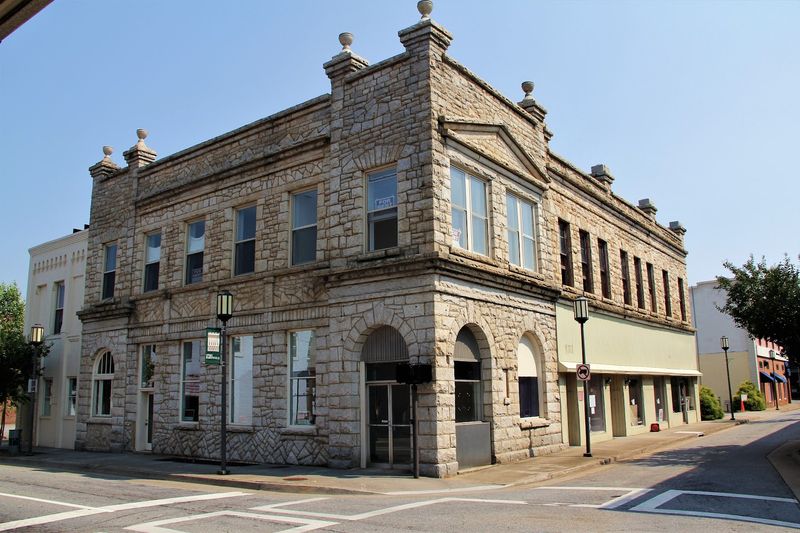
Martinsville occupies a fascinating and somewhat paradoxical position in the Virginia landscape. It is one of the most affordable small cities in the entire state, which makes it genuinely attractive for budget-conscious travelers and potential new residents alike.
Yet the city has spent the last two decades reinventing itself after the collapse of the furniture and textile manufacturing industries that once made it one of the most economically productive small cities in the entire mid-Atlantic South.
The population loss here has been significant and sustained. Martinsville and surrounding Henry County have watched their combined resident numbers decline steadily as manufacturing jobs disappeared and younger workers followed those jobs to larger metro areas.
The tax base has contracted alongside the population, creating real fiscal pressure on local government to maintain services while working with diminishing resources.
What makes Martinsville genuinely exciting right now is the energy of reinvention. The historic downtown is seeing new investment, and the Martinsville Speedway on Virginia 57 remains one of the most beloved short tracks in all of NASCAR, drawing passionate racing fans from across the region twice a year for events that electrify the entire city.
The Virginia Museum of Natural History at 21 Starling Ave. is a legitimately world-class institution that punches far above its weight for a city of this size, housing remarkable fossil collections and interactive natural science exhibits. Philpott Lake, located just west of town near Bassett, provides outstanding outdoor recreation.
Martinsville, Virginia is a city with real grit, genuine reinvention energy, and more to offer curious travelers than its modest size might initially suggest.
