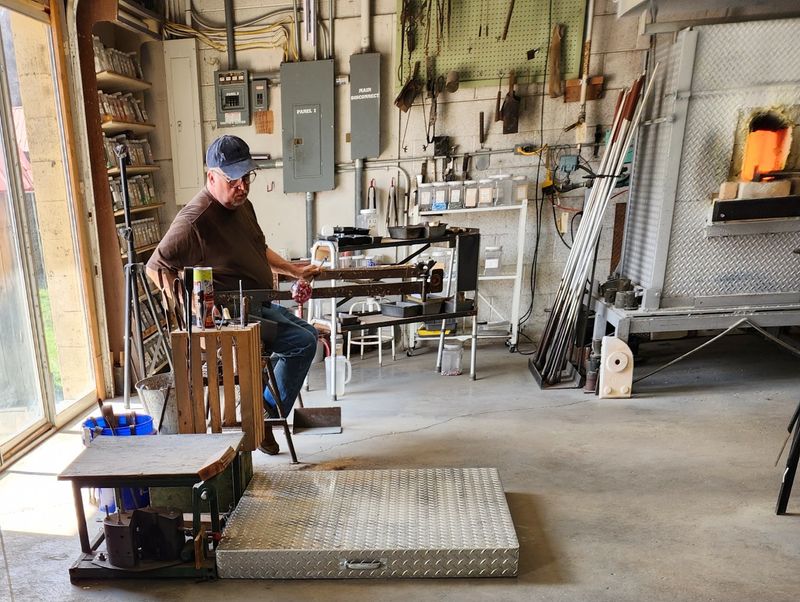
I pulled off a West Virginia highway expecting a quick gift shop stop and a stretch of the legs. Instead, I found myself standing close enough to a glowing furnace to feel its heat on my cheeks while a craftsman turned a blob of liquid fire into a shimmering ornament in about a minute.
Places like this remind you that the Mountain State once lit up the whole country with its glass, and some of that old spark is still burning. If you have ever wondered how a simple glass ball gets made, this is the kind of stop that answers the question and then hands you a story to take home.
A Roadside Hot Shop With Deep Mountain Roots
Some of the best stops in the Mountain State look like nothing special from the road. A plain building, a gravel lot, and a sign about glass are easy to drive past if you are in a hurry.
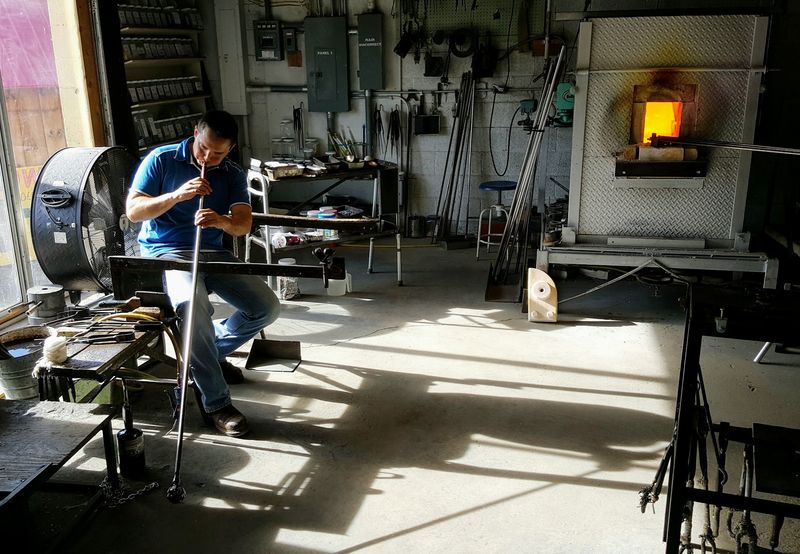
Slow down anyway. Inside sits a working hot shop, the kind of place where a furnace runs and real people shape molten glass by hand, plus a gift shop and a collection of old glassware that feels like a small museum.
Visitors often describe it as one of the oldest production hot shops still operating in the country, and the family behind it carries that reputation with quiet pride.
The business is officially called Appalachian Glass Products, and it sits in north central West Virginia along a busy U.S. route. You do not need a ticket or a reservation to watch the craft happen.
Demonstrations are free, though a donation is kindly welcomed.
What makes the stop memorable is the mix. You get the heat and drama of the furnace, the chance to chat with the folks doing the work, and shelves loaded with handmade pieces at prices that will not scare off anyone living on a budget.
It is part workshop, part history lesson, part treasure hunt.
Three Generations at the Glory Hole
Family recipes usually mean biscuits or apple butter. Here, the family recipe is glass.
Chip Turner learned to blow glass back in his high school years, and his son Todd picked up the craft from him. The roots go deeper still, since Todd’s grandfather, Matt, reportedly spent his career making glass molds and equipment for the West Virginia Glass Company.
One visitor described Todd as a third generation hot shop worker who mixes the family batch in house using West Virginia ingredients.
That kind of lineage shows up in the details. Folks who have watched Chip work often mention how he slows down to share the history of the art and of the state itself, sometimes chatting for a good while after the demonstration ends.
Others praise Todd for his passion for the glass industry, past and present, and for the way he explains his family’s place in that story.
Plenty of reviewers mention the welcoming feel of the place, and it makes sense. When the person making your ornament is also the person who owns the shop, every conversation feels personal.
You are not watching a show staged for tourists. You are visiting a family at work, keeping a skill alive that once fed thousands of mountain households.
When Mountain Sand and Gas Built a Glass Empire
Long before anyone sold souvenirs here, West Virginia had the perfect recipe for glass. Rich deposits of sandstone supplied clean silica sand, cheap natural gas fueled the furnaces, and railroads hauled finished goods to big cities.
By the late 1800s, factories were springing up across the state, and skilled immigrant workers from Europe followed the jobs. At its peak, West Virginia was reportedly home to more than 400 glass factories, turning out tableware, bottles, and window glass from places like Wellsburg, Clarksburg, Morgantown, and Charleston.
The small town where this shop now sits had its own claim to fame. In the late 1920s, it reportedly produced more blown stemware than anywhere else in the world, with as many as 30 small glassware companies operating at one point.
Names like the Louie Glass Company became known far beyond the hills.
Louie Wohinc, an Austrian immigrant and champion glassblower, is said to have run factories capable of turning out around 144,000 handmade pieces in a single day during the 1920s and 1930s. Older folks in the region may remember relatives who worked those shifts.
Many of those factories are gone now, but walking into a working hot shop brings that proud chapter right back to life.
Front-Row Seats to Liquid Fire
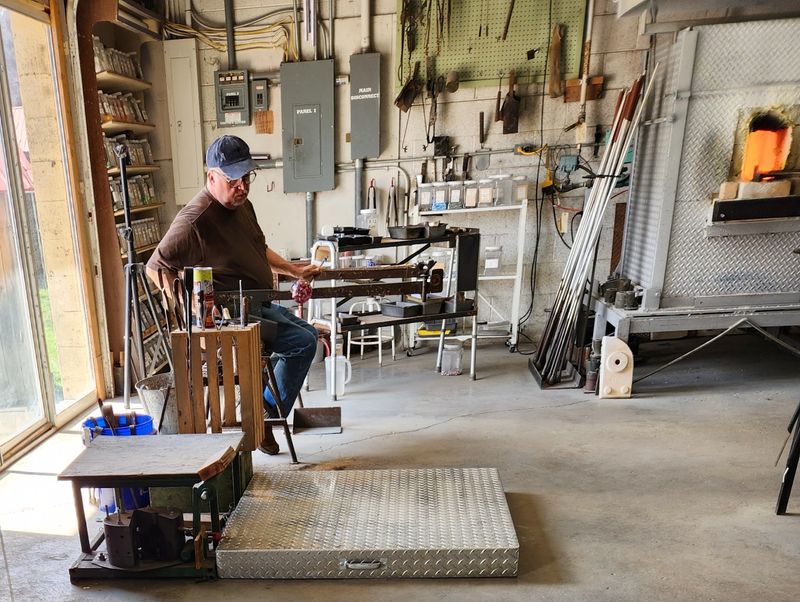
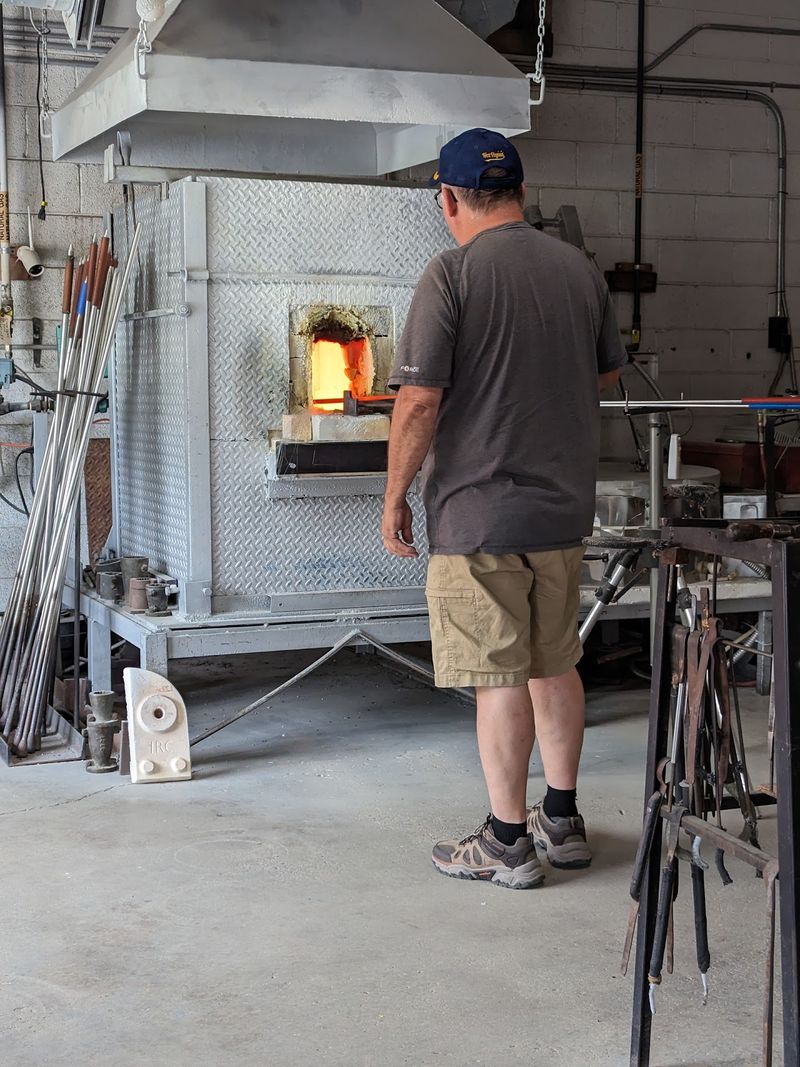
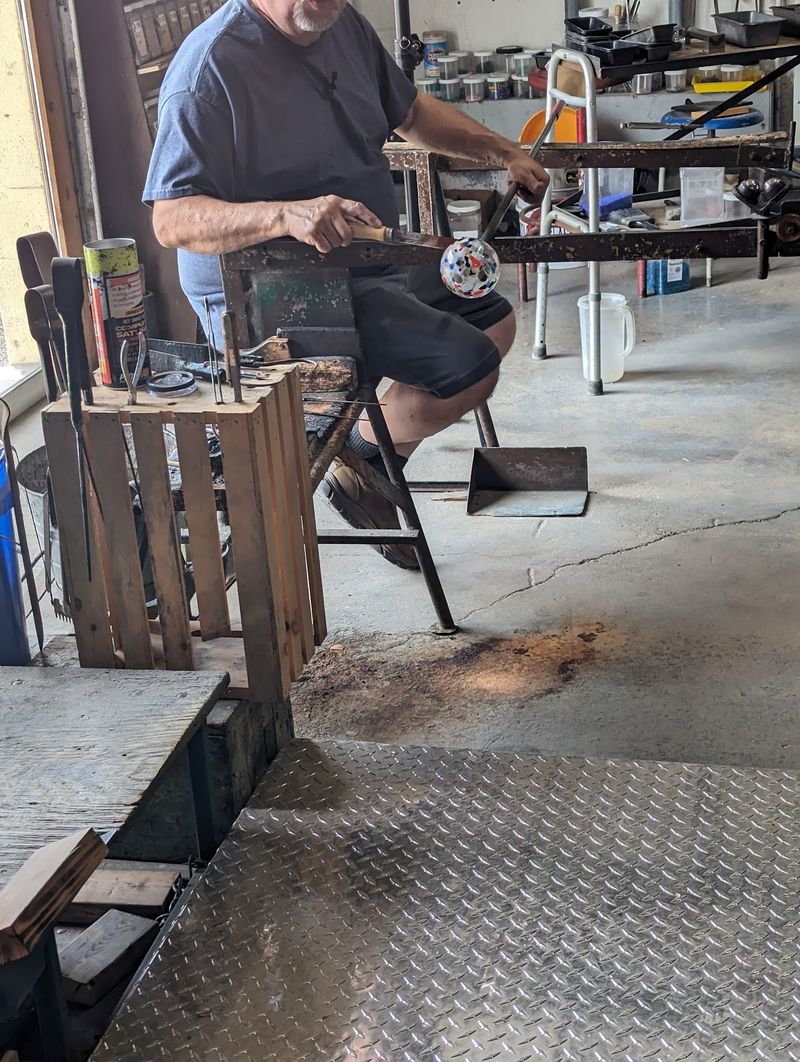
Heat hits you first. The furnace burns at temperatures near 2,000 degrees Fahrenheit, and you stand just a few feet away while the glassblower gathers a glowing gob of glass onto the end of a long blowpipe.
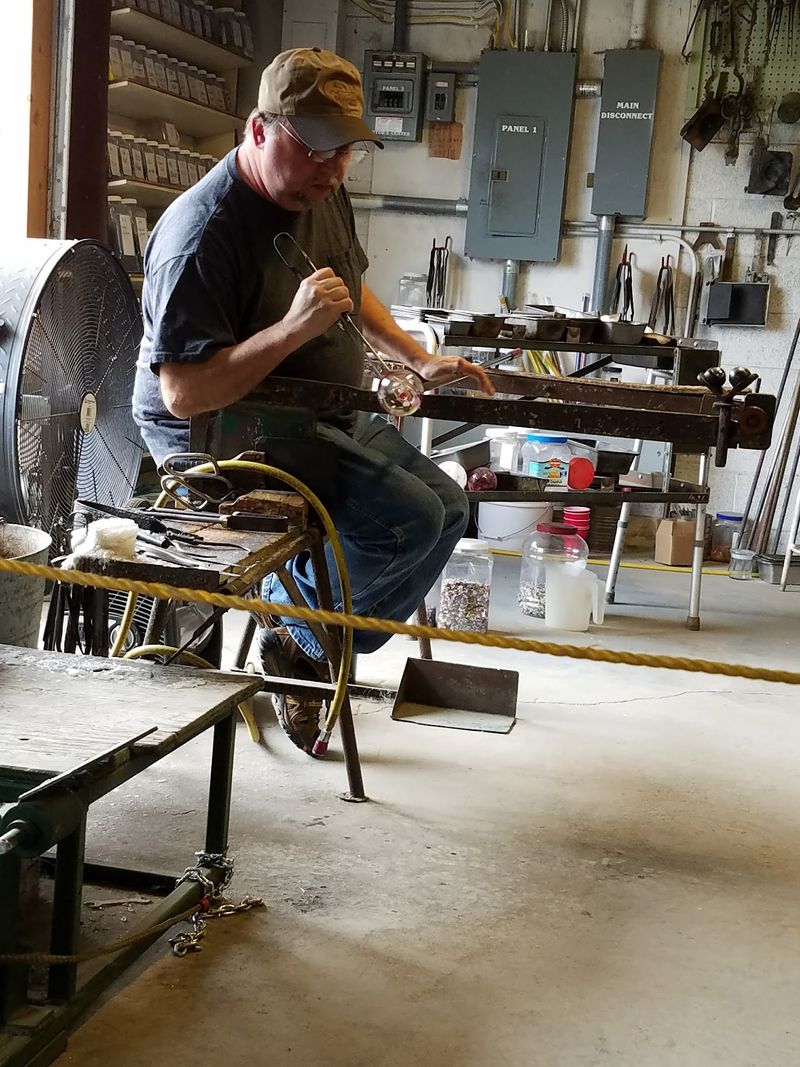
From there, things move fast. The pipe spins, a breath of air swells the glass into a bubble, and back it goes into the glory hole to stay soft.
Tools like jacks, shears, and wooden paddles pinch and smooth the shape until something recognizable appears. One visitor watched a blown glass ball come together in about a minute.
Here in Weston, the demonstrations change with the day and the maker. Guests mention seeing ornaments, a hummingbird feeder, and even an adorable little ghost take shape.
Others watched both free blowing and mold blowing, which helps you understand how different pieces get their forms.
Kids especially soak it up. Several visitors call it a terrific educational stop for younger ones, and grandparents talk about wanting to bring the grandchildren back.
Questions are welcome, too. The craftsmen happily explain what they are doing while they work, and many people end up staying well over an hour once the conversation gets rolling.
Friendship Balls, Ornaments, and Cranberry Glow
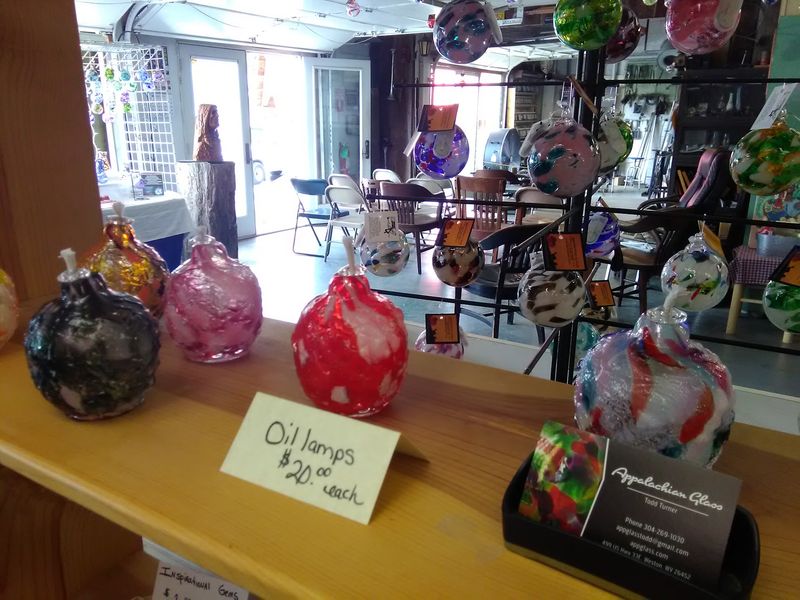
Good luck walking out empty handed. The gift shop is stocked with glass made right on site, and the colors alone can stop you in your tracks.
Friendship balls are the star of the show, available in a huge range of color combinations. You will also find ornaments, paperweights, animals, fruit shapes, and lighted glass balls that give off a warm glow at home.
One shopper raved about a glass bulb that adds a soft ambiance to her living room, while another mentioned a cranberry glass ball made using the old Pilgrim Glass recipe.
Since every piece is shaped by hand, no two are ever exactly alike. Tiny differences in swirl, shape, and color give each one its own personality, which is a big part of the charm for collectors.
The shop also offers customization, so a special gift can carry a personal touch.
Prices come up again and again in what visitors say. The range is wide enough to fit almost any budget, and many guests describe the prices as reasonable or downright affordable.
Even better, the friendly folks at the register are known for wrapping fragile purchases carefully, so your treasures survive the ride home over those winding roads.
A Pocket Museum of Hometown Glass
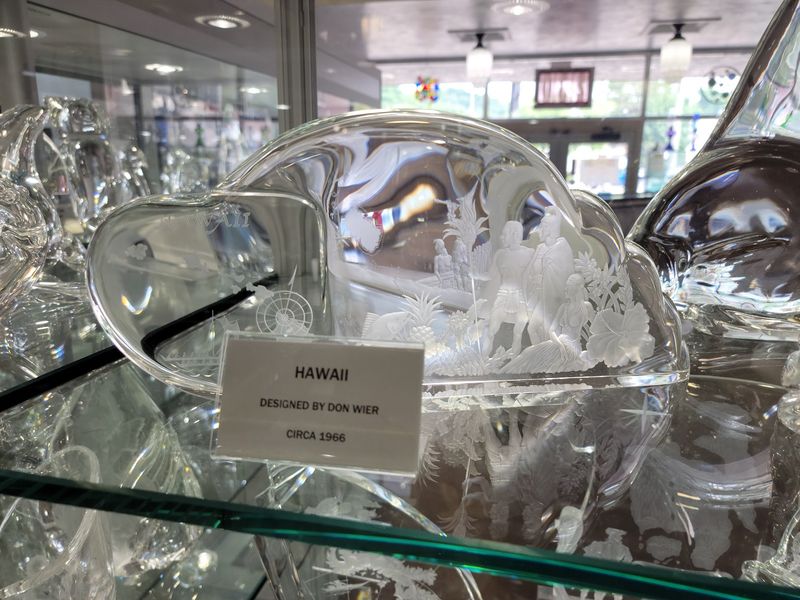
Tucked among the new pieces is something older and quieter. Display cases hold glassware from local factories and neighboring plants, a collection one visitor called a fantastic large museum of glass works.
For anyone who grew up with a cut glass candy dish on Grandma’s table, browsing these shelves can feel like flipping through a family photo album. The pieces tell the story of a time when nearby towns hummed with furnaces and whole neighborhoods depended on the glass trade.
Admission to look around is free, though a donation helps keep the collection going.
It pairs naturally with the demonstrations. After watching a modern piece take shape, you can study vintage work and spot the same techniques used decades ago.
Chip and Todd are both known for sharing history while they work, so questions about a particular style or factory often lead to a great story.
Beyond glass, the shop celebrates other Mountain State crafts. Depending on your visit, you might find stained glass, candles, pottery, quilts, paintings, woodcrafts, local books, honey, jellies, and jams.
It all adds up to a showcase of West Virginia handiwork under one roof, the kind of place that makes you proud of what folks here can make.
Hours, Costs, and Finding the Furnace
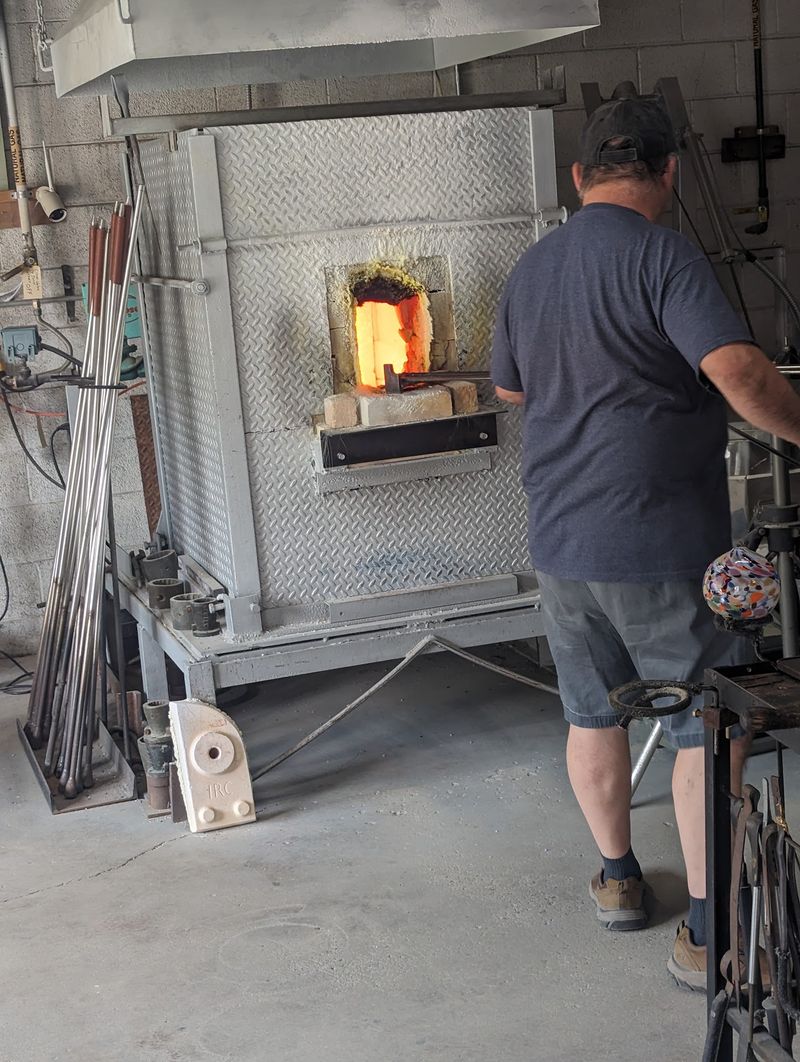
Planning ahead is simple, which suits a relaxed day trip. The shop is open Monday through Saturday from 8 am to 4 pm and closed on Sundays.
Watching the demonstration costs nothing, and browsing the museum displays is free too, though donations are appreciated. That makes this an easy outing for retirees on a fixed income or families watching their spending.
Gift shop prices span a wide range, so you can grab a small ornament or splurge on something bigger without feeling pressured.
Timing matters a little. Production can pause now and then, as it did for about two weeks after a damaging flood hit the area, though the family has since reported they are back to making glass.
Arriving earlier in the day may give you the best chance to catch the furnace in action.
Getting there is straightforward. The shop sits right along U.S.
Route 33, convenient to Interstate 79, so it fits nicely into a drive through central West Virginia. Bring your curiosity and a little room in the car for packages.
The address is 499 US-33, Weston, WV 26452. More details are available on the shop’s website at appglass.com.
Why the Glow Stays With You
Funny how the smallest stops leave the biggest impressions. Long after you leave, you may find yourself picturing that glowing gob of glass spinning on the end of a pipe.
Appalachian Glass offers more than souvenirs. It gives you a chance to stand inside a living piece of West Virginia history, guided by a family that has spent generations keeping the craft going.
Visitors leave talking about the warm welcome, the patient explanations, and the thrill of watching something beautiful appear in mere minutes.
It suits nearly everyone. History buffs will love the stories and vintage displays.
Kids get a hands-off science lesson they will actually remember. Grandparents can share memories of the old factories, and bargain hunters can find handmade gifts that do not break the bank.
If you are rolling through the middle of the state, carve out an hour or so. Watch the fire, ask a few questions, and pick out a piece to hang in your window.
Supporting a small family shop like this helps keep an old Mountain State tradition burning bright. Do you remember a glass factory from your hometown?
That memory might be the perfect reason to plan your visit.
