Ever wonder why a town is called something completely unexpected? Names carry stories, and West Virginia has a treasure chest of them.
Some were inspired by Native American words that described the landscape. Others honored early settlers, railroad tycoons, or even quirky local legends.
A few names came from mistakes on old maps that just stuck around for generations. You will find towns named after battles, rivers, and people who probably never set foot in the state.
Each one offers a tiny window into the past, a reminder that every place has a tale behind its title. West Virginia, your map reads like a history book full of plot twists.
Ready for a name game that actually teaches you something?
1. Paw Paw
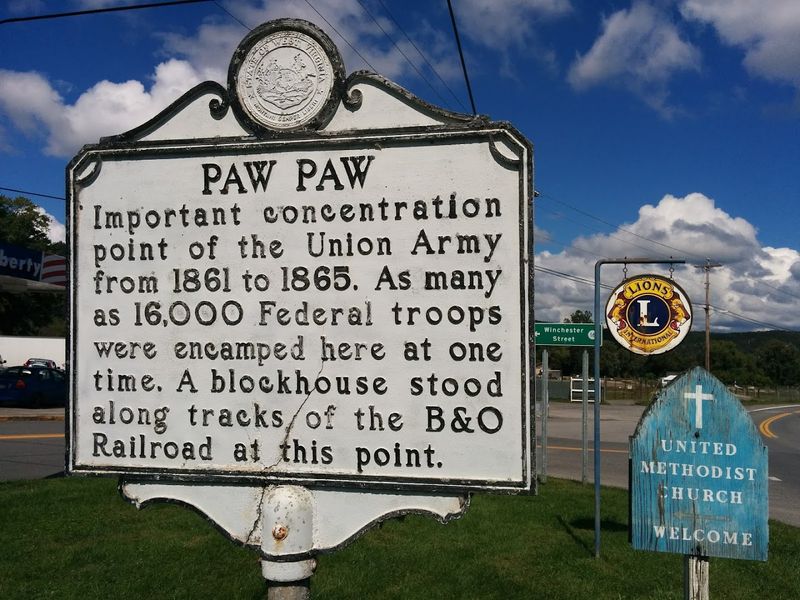
There is something genuinely delightful about rolling into a town named after a fruit. Paw Paw, West Virginia, takes its name from the pawpaw tree, a native American fruit tree that grew abundantly along the river bottoms here.
Early settlers used the tree as a landmark, and the name stuck in the most cheerful way possible.
The town sits along the Cacapon River, which gives the whole area a relaxed, natural feel. Local spots serve hearty Appalachian-style food, including fresh cornbread, slow-cooked beans, and seasonal dishes that change with the mountain harvest.
The pawpaw fruit itself has a custardy, tropical flavor that surprises most first-time tasters.
Roadside stands sometimes carry pawpaw-based treats in late summer, and that alone is worth a detour. The community here is small but proud of its quirky botanical identity.
Every bite of food in this town feels tied to the land in a way that is hard to find anywhere else.
Address: Paw Paw, West Virginia, WV 26446
2. Hundred
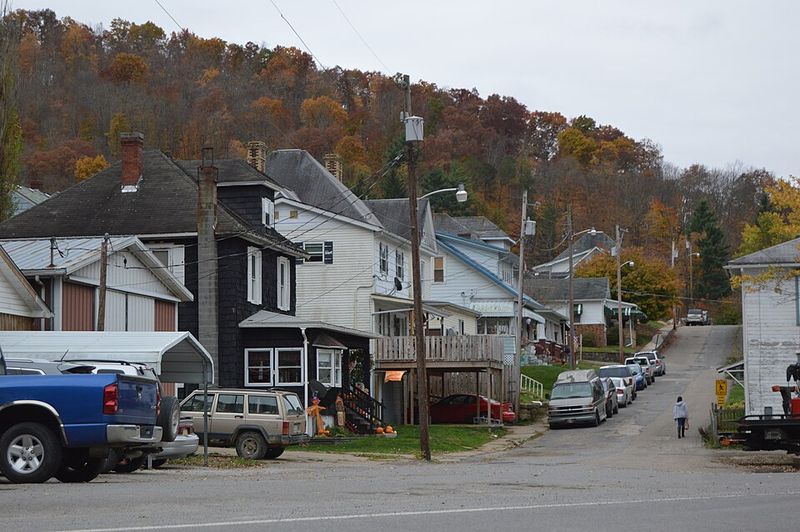
The name Hundred sounds like a riddle, and the answer is actually pretty great. This tiny town in Wetzel County is said to be named after Henry Church, an early settler who lived to be over a hundred years old.
That kind of longevity was worth celebrating, apparently with a whole town name.
Hundred has a slow, comfortable pace that feels perfectly matched to its origin story. Local diners here lean into comfort food traditions, serving up biscuits and gravy, homemade pies, and thick slices of country ham that have been cured the old-fashioned way.
The food is unpretentious and deeply satisfying.
Sitting down to eat in Hundred feels like being welcomed into someone’s kitchen rather than a restaurant. The portions are generous and the recipes feel like they have been passed down through generations.
Even a quick stop for pie here turns into a lingering meal because the atmosphere pulls you in. This town proves that the best stories are sometimes hidden in the most ordinary-sounding names.
Address: Hundred, West Virginia, WV 26575
3. Nitro
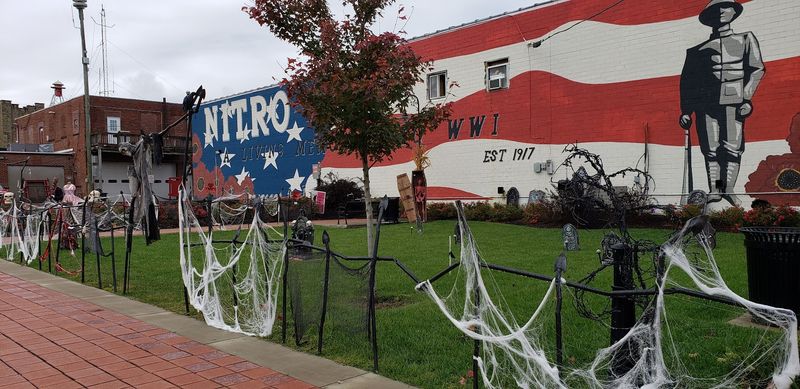
Few town names carry as much energy as Nitro, and the backstory matches the punch. The city was established during World War I as a site for producing explosives, specifically nitrocellulose, which gave it that bold, combustible name.
The whole town was essentially built from scratch in a matter of months to support the war effort.
After the war, Nitro reinvented itself as a community, and today it has a lively food scene rooted in working-class Appalachian traditions. Thick burgers, loaded chili dogs, and smoky pulled pork sandwiches show up at local spots that have been feeding families for decades.
The energy of the place still feels a little electric, even without the munitions.
Weekend food events draw people in from surrounding towns, and the riverfront area adds a scenic backdrop to the whole experience. Grabbing a plate of something hearty here feels like participating in a long tradition of feeding hardworking people well.
Nitro may have started with a bang, but it has settled into a warm, welcoming community worth every mile of the drive.
Address: Nitro, West Virginia, WV 25143
4. Hurricane
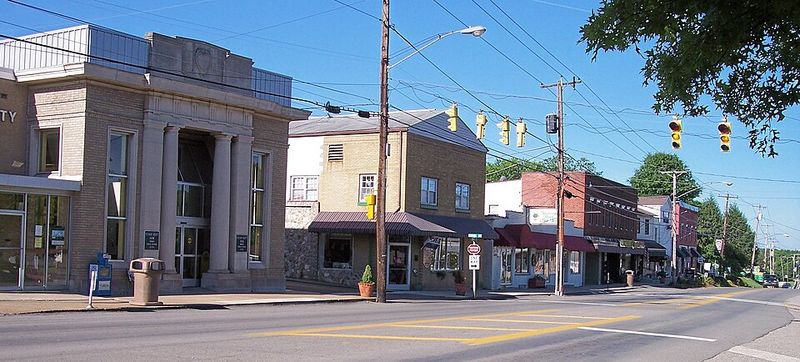
Despite the dramatic name, Hurricane, West Virginia, has nothing to do with tropical storms. The town takes its name from Hurricane Creek, which itself was named after a massive windstorm that tore through the area in the early 1800s.
One powerful storm was enough to leave its mark on the map permanently.
Today Hurricane is one of the more developed towns in Putnam County, with a food scene that blends classic Southern Appalachian cooking with newer culinary influences. Fresh-baked rolls, slow-roasted meats, and hearty vegetable soups appear on menus alongside more contemporary options.
The variety here reflects how the town has grown while holding onto its roots.
Breakfast spots in Hurricane are especially worth seeking out. Fluffy pancakes, creamy grits, and eggs cooked to order in cast iron pans are the kind of morning fuel that makes you want to stay all day.
The town has an upbeat, forward-moving energy that pairs surprisingly well with its stormy namesake. Visiting Hurricane leaves you feeling energized rather than battered, which is honestly the best possible outcome.
Address: Hurricane, West Virginia, WV 25526
5. Poca

Poca is one of those names that begs a follow-up question, and the answer is worth knowing. The town gets its name from the Pocatalico River, which flows right through the area.
The river name itself has Native American roots, believed to come from a Shawnee word, though the exact meaning has been debated for generations.
Sitting along that river gives Poca a peaceful, unhurried quality that shows up in its food culture too. Local families have been gathering at the same riverside spots for generations, sharing meals that center on fresh-caught fish, fried green tomatoes, and slow-simmered soups.
The food here feels personal, like recipes that were never written down but always remembered.
Community cookouts and church suppers are a real part of life in Poca, and if you happen to be passing through on the right weekend, the smells alone will pull you off the road. There is something grounding about eating food this close to the water and the hills that shaped the culture.
Poca may be small, but it carries a big, warm spirit.
Address: Poca, West Virginia, WV 25159
6. Ronceverte
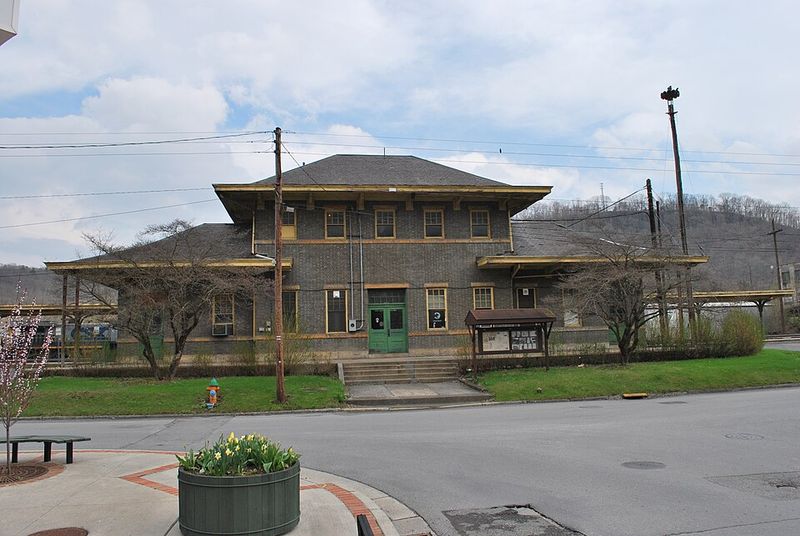
Ronceverte sounds like it belongs in the French countryside, and that is not entirely a coincidence. The name is French for “greenbrier,” which was a direct translation of the thorny native plant that covered the region when early settlers arrived.
Someone with a flair for the romantic clearly had a hand in naming this one.
The town sits along the Greenbrier River in Monroe County, and the scenery is the kind that makes you slow down without being asked.
Local restaurants lean into the pastoral setting with farm-to-table sensibilities, offering dishes made from locally sourced ingredients including fresh trout, foraged mushrooms, and garden vegetables.
The flavors are clean and honest.
There is a certain elegance to eating well in a town with such a poetic name. A bowl of fresh trout chowder here, served with crusty bread beside a window overlooking the river, becomes a memory rather than just a meal.
Ronceverte has the rare quality of feeling both refined and completely unpretentious at the same time. That balance is hard to find and even harder to forget.
Address: Ronceverte, West Virginia, WV 24970
7. Ceredo
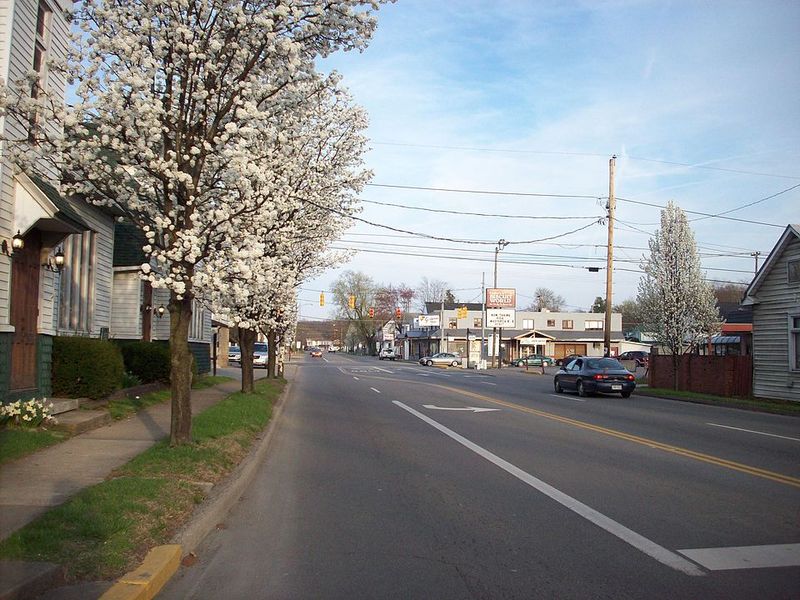
Ceredo has a name rooted in idealism, which makes it stand out from the typical town-naming stories. It was founded in 1857 as a planned community and named after Ceres, the Roman goddess of grain and agriculture.
The founders envisioned a thriving, agriculturally rich settlement, and naming it after the goddess of the harvest felt like the right kind of ambition.
The town sits near the Ohio River in Wayne County, giving it a border-town character that blends West Virginia traditions with influences from across the river.
Local food here reflects that cross-cultural energy, with dishes that mix Appalachian staples like cornbread and beans with heartier Midwestern-style comfort food.
The portions tend to be generous and the flavors bold.
Breakfast in Ceredo is a particular highlight, with thick-cut bacon, eggs scrambled in real butter, and biscuits that come out of the oven golden and tall. The agricultural spirit that the founders imagined is still alive in the way the community values fresh, real food.
Ceredo may not have the goddess herself watching over it anymore, but the food culture here is still something worth worshipping.
Address: Ceredo, West Virginia, WV 25507
8. Sistersville
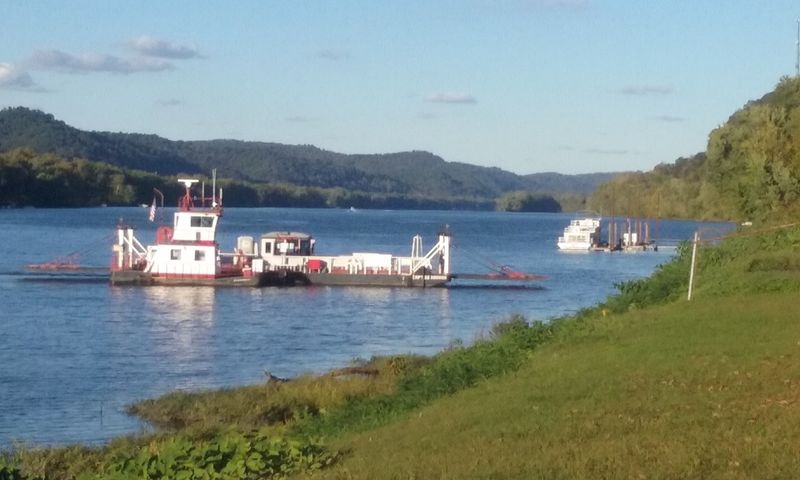
Sistersville has one of the sweetest name origin stories in the entire state. The town was named after two sisters, Sarah and Delilah Wells, who owned the land where the settlement was established in the early 1800s.
That sisterly legacy gave the town a warmth that still seems to linger in the streets today.
Perched along the Ohio River in Tyler County, Sistersville had its big moment during the oil boom of the late 1800s, and the beautiful Victorian architecture left behind from that era gives the town a storybook quality.
Local eateries match the charm of the surroundings with home-cooked meals that feel like something out of a family cookbook.
Pot roast, homemade noodles, and fruit cobblers are staples here.
The ferry that still crosses the Ohio River near town adds an adventurous little twist to any visit. Grabbing a slice of warm cobbler after a ferry ride on a cool afternoon is the kind of simple pleasure that sticks with you.
Sistersville moves at its own pace, and that pace happens to be perfect for savoring both the food and the scenery.
Address: Sistersville, West Virginia, WV 26175
9. Eleanor
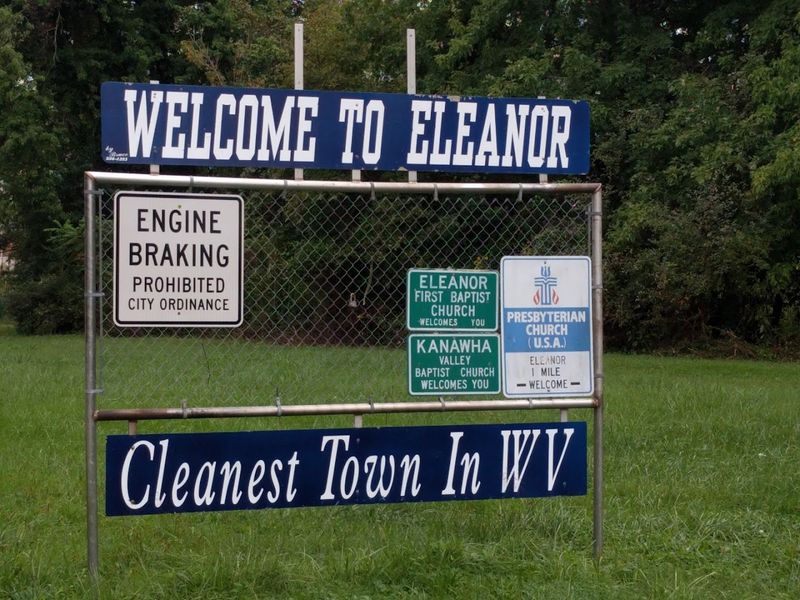
Eleanor is named after one of the most influential American women of the twentieth century, Eleanor Roosevelt. The town was established in the 1930s as part of a New Deal resettlement project, and naming it after the First Lady who championed the program felt both fitting and respectful.
It is one of the few towns in the country that carries her name.
The community was designed with cooperative living in mind, and that spirit of shared effort still shows up in how people here relate to food and gathering. Community gardens, local farm stands, and cooperative-style food events are part of the culture.
Meals tend to be generous, seasonal, and made with the kind of care that comes from people who genuinely feed each other.
Fresh vegetable dishes, slow-cooked stews, and homemade preserves reflect the agricultural roots the town was built on. Stopping at a local stand to pick up a jar of hand-canned tomatoes or a fresh loaf of bread feels like participating in the original vision of the place.
Eleanor is a town where history and hospitality are genuinely inseparable.
Address: Eleanor, West Virginia, WV 25070
10. Marlinton
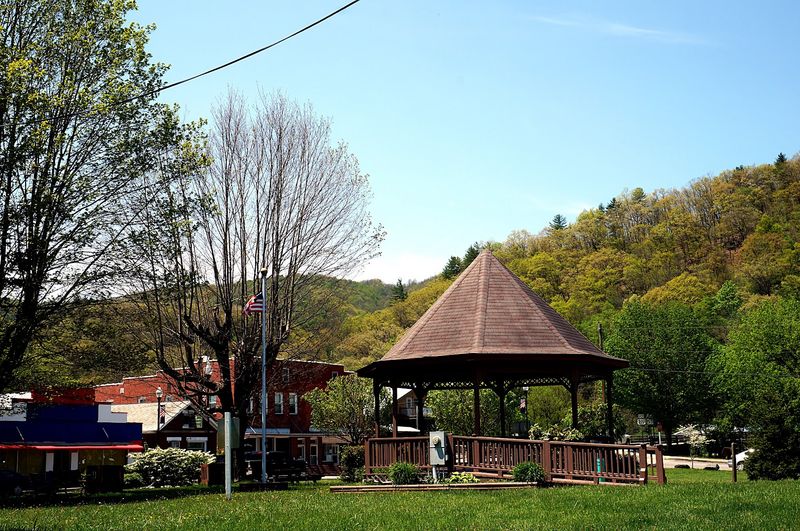
Tucked into Pocahontas County and surrounded by the Monongahela National Forest, Marlinton feels like the kind of place that rewards the people willing to make the drive. The town was named after Jacob Marlin, one of the first white settlers to winter in the area back in the 1740s.
His name carries a frontier spirit that the town still holds onto.
The food scene here leans hard into mountain traditions, with wild game dishes, fresh trout, and hearty soups that make sense after a day on the Greenbrier River Trail. Local spots serve meals with a directness and simplicity that reflects the landscape around them.
Nothing is fussy, and everything is filling.
Blackberry cobbler made from fruit picked nearby, venison chili served in deep bowls, and cornbread baked in cast iron are the kinds of dishes that define Marlinton’s culinary identity. The town sits at an elevation that makes the air feel crisper and the food taste somehow better.
Eating here after a hike through the surrounding forest is one of those experiences that does not need any embellishment. It is just genuinely, wonderfully good.
Address: Marlinton, West Virginia, WV 24954
11. Buckhannon
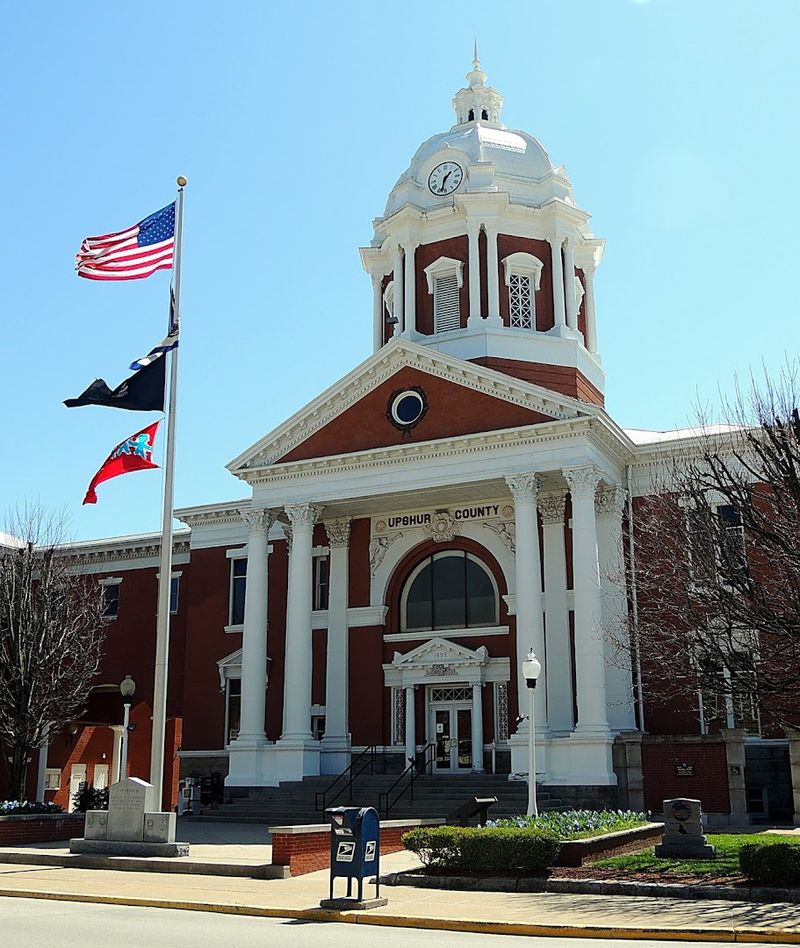
Buckhannon carries a name that comes straight from the frontier era. It is believed to be named after a Delaware chief named Buckongahelas, though the spelling shifted considerably over time as settlers adapted it to their own pronunciation.
That kind of linguistic evolution is a quiet reminder of how layered American place names really are.
As the county seat of Upshur County, Buckhannon has a lively small-city energy anchored by West Virginia Wesleyan College. The food scene here benefits from that academic influence, with a mix of traditional Appalachian cooking and more adventurous options catering to students and faculty.
Fresh pasta, locally sourced salads, and creative takes on mountain classics all share menu space.
The annual Strawberry Festival draws enormous crowds every spring, and the strawberry-centered food offerings during that time are genuinely extraordinary. Strawberry shortcake, fresh strawberry jam on warm biscuits, and hand-dipped strawberry desserts line the streets in the best possible way.
Even outside festival season, Buckhannon serves up meals with a creativity and warmth that reflects a community actively celebrating where it lives.
Address: Buckhannon, West Virginia, WV 26201
12. Alderson
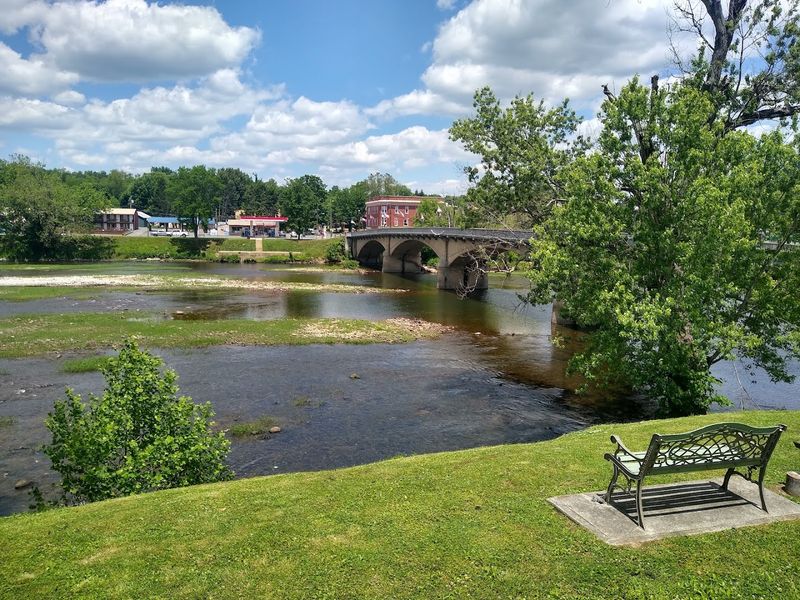
Alderson sits prettily along the Greenbrier River in Monroe and Greenbrier counties, and it carries the distinction of being one of the oldest incorporated towns in the state. The name comes from John Alderson, a Baptist minister who helped establish the settlement in the late 1700s.
A preacher naming a town after himself is bold, but Alderson makes a strong case that it was worth it.
The town is known for its lovely pedestrian bridge and its unhurried, almost meditative atmosphere. Local food here reflects that same calm, with meals that prioritize quality over speed.
Fresh river fish, garden salads, and slow-baked pies appear at the kind of small establishments that feel like they have been there forever.
Apple butter on fresh biscuits is a local staple that sounds simple but tastes like a whole season in one bite. The Greenbrier River provides not just scenery but also a direct connection to the food traditions that have shaped this community for generations.
Alderson is the kind of town where you sit down for lunch and look up an hour later wondering where the time went.
Address: Alderson, West Virginia, WV 24910
13. Bramwell
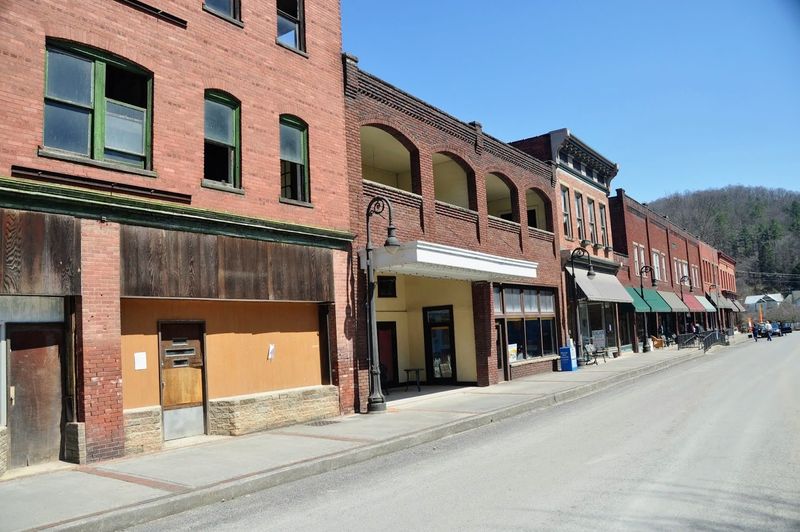
Bramwell might be the most unexpectedly glamorous town in all of West Virginia. During the coal boom of the late 1800s, it reportedly had more millionaires per capita than any other town in the United States.
The name comes from an early English settler, and the town itself became a showcase for what coal money could build in the mountains.
The mansions lining Bramwell’s streets are extraordinary, and the food culture here carries a quiet elegance that echoes that history. Local spots serve refined takes on Appalachian classics, with dishes that feel elevated without losing their mountain soul.
Think roasted root vegetables with herbs, slow-braised meats, and desserts made from scratch with real cream and local fruit.
Eating in Bramwell feels like stepping into a different era, one where meals were meant to be savored slowly and the table was a place of real celebration. The town is small enough that every restaurant feels personal, and the attention to detail in the cooking reflects a community that takes pride in its heritage.
Bramwell proves that the most remarkable places are often the ones hiding in plain sight on a quiet mountain road.
Address: Bramwell, West Virginia, WV 24715
