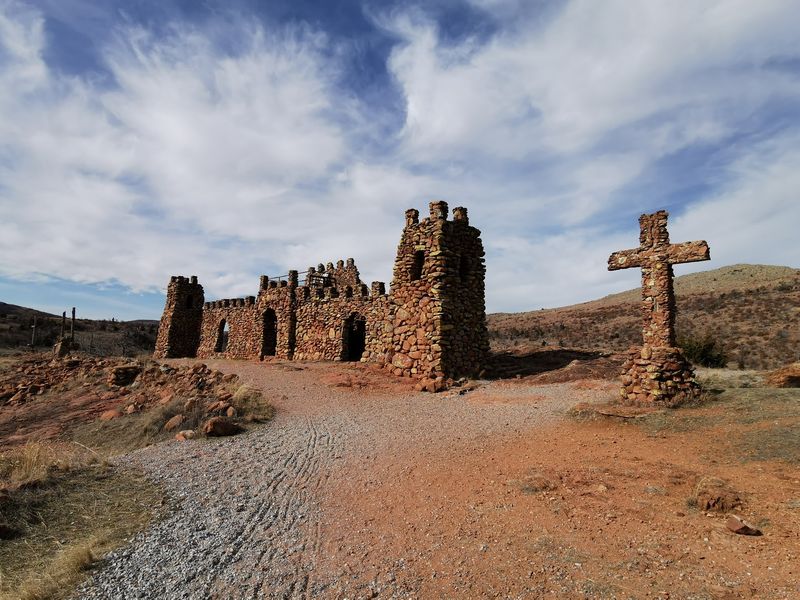
I almost skipped the turnoff, figuring a few old stone buildings in the hills of southwest Oklahoma would make for a ten-minute stretch break at best. Two hours later, my shoes were dusty, my camera roll was full, and I was still wandering granite courtyards that looked lifted straight out of an ancient city.
Families across the state have been making this same autumn trip for decades, and the reasons go far beyond pretty scenery. Here is what makes it worth the drive when the weather finally cools down.
A Granite Jerusalem Inside a Wildlife Refuge
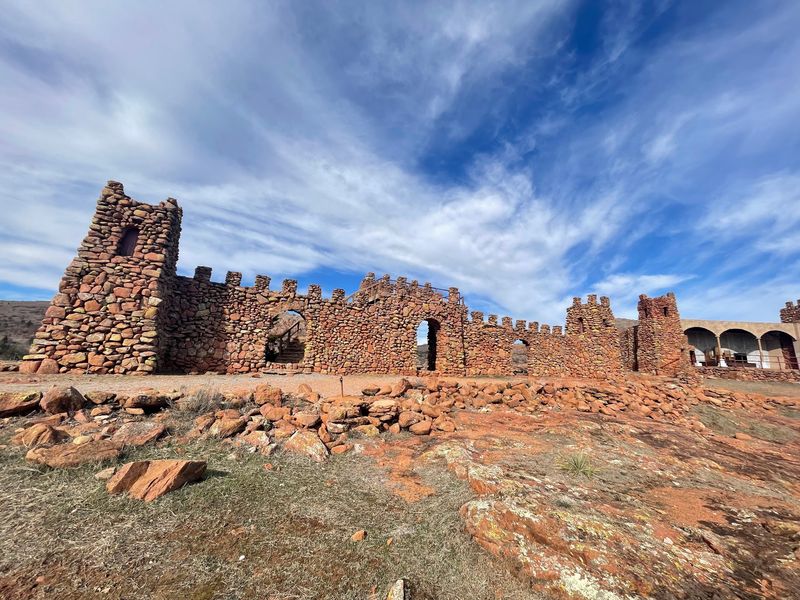
Picture driving through boulder-strewn hills in southwest Oklahoma, rounding a bend, and spotting what looks like a walled city from another century. That surprise is exactly how most first visits begin.
The Holy City of the Wichitas sits inside the Wichita Mountains Wildlife Refuge, roughly 20 to 22 miles northwest of Lawton at 262 Holy City Road.
Spread across about 66 acres, the grounds work as both a public park and an outdoor theater. Everything was designed to recreate ancient Jerusalem as it may have looked in biblical times, with full-sized buildings, shrines, and watchtowers made from granite quarried right in the area.
The rock underfoot and the rock in the walls are basically cousins.
About that headline: the site is not actually in Tulsa. Tulsa families simply treat it as a favorite fall road trip, roughly three hours southwest, while Oklahoma City folks can usually get there in under two.
Lawton and Fort Sill families have it practically in their backyard.
Visitors often admit it feels a little unexpected to find a stone city in the middle of a wildlife refuge. Once you see how the structures rise out of the natural granite, though, the choice starts to make sense.
Reverend Wallock’s Vision and the WPA Builders
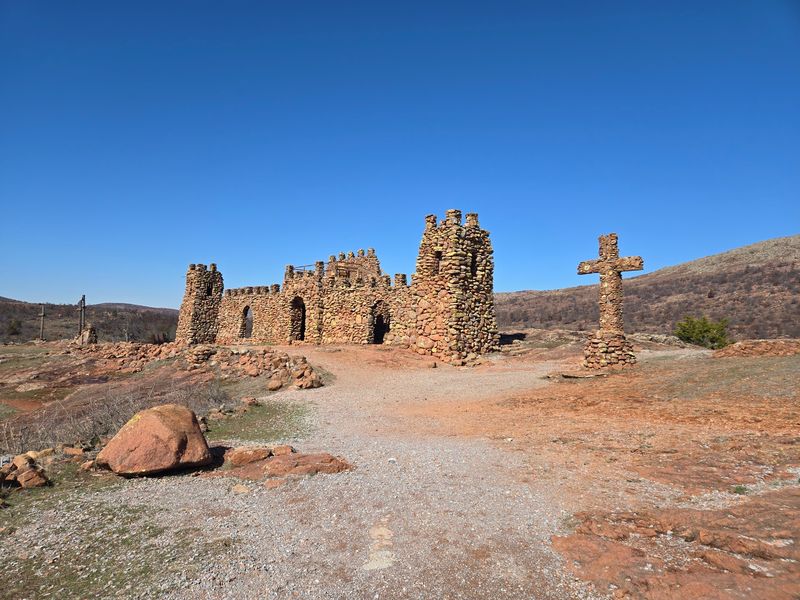
Back in the mid-1920s, a minister named Reverend Anthony Mark Wallock looked at the craggy Wichita Mountains and saw something most people missed. To him, the rugged stone landscape resembled ancient Judea and Samaria.
He began imagining a place where the Easter story could be told against scenery that felt close to the real thing.
Big ideas need plenty of hands, and help arrived during the 1930s. Workers with the Works Progress Administration and the Civilian Conservation Corps quarried local granite and built the structures piece by piece.
Those New Deal programs put people to work during hard times, and the stone buildings they left behind still stand nearly a century later.
Walk the grounds today and the age shows in a charming way. Some displays clearly reflect their decades, which longtime visitors tend to see as part of the appeal.
One person who first came as a teenager noted that the place barely seems to have changed, and meant it as high praise.
For Oklahomans who love anything preserved rather than polished, the history here is the whole point. It is a WPA-era landmark, a faith project, and a slice of southwest Oklahoma heritage rolled into one granite package.
The Prince of Peace, a Pageant Nearly a Century Strong
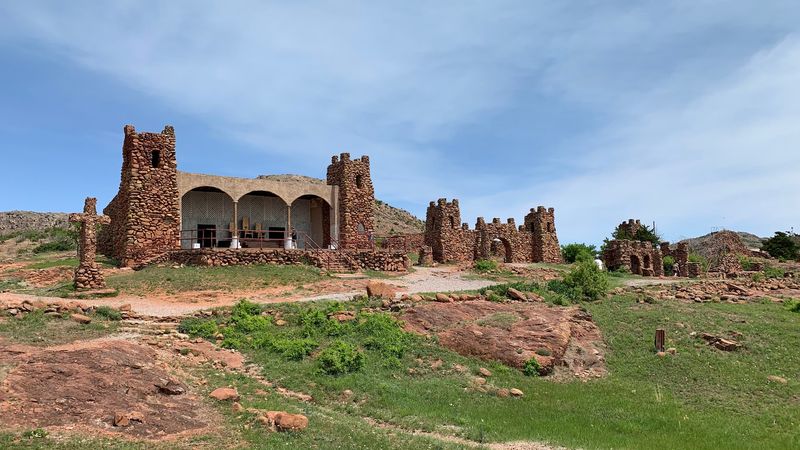
Since 1926, one production has returned to these hills year after year: “The Prince of Peace.” It holds the title of North America’s longest-running annual Easter pageant, a remarkable streak for a show staged outdoors in Oklahoma, where spring weather loves to throw curveballs.
The Easter play is easily what people bring up most when they talk about this place. Stone buildings double as sets, and the natural rock creates a stage no theater could build from scratch.
One enthusiastic visitor practically cheered about the rock stage, and the excitement is easy to understand.
So why mention an Easter event in a fall article? Timing matters.
Visitors who come in late winter or early spring sometimes find the pageant area closed while crews prep for the play, while a fall trip usually means open pathways and a relaxed pace through the same scenes the actors will use months later.
Families with a pageant tradition often scout the grounds in autumn, then return at Easter to watch the story come alive. Kids who have already walked the courts tend to follow along more easily when the performance rolls around.
Check the official website for pageant dates, since details can change.
Irene Malcolm’s Murals in the World Chapel
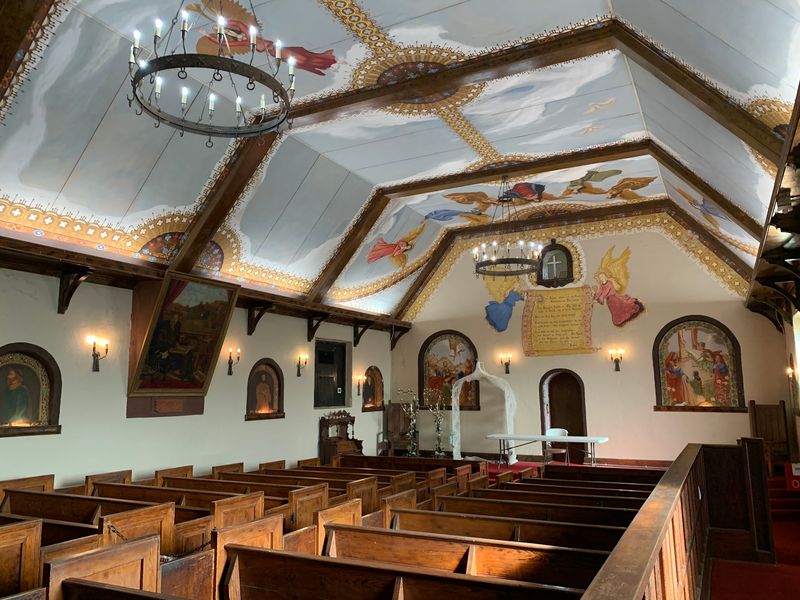
Step inside the World Chapel and the temperature of the whole visit seems to drop a notch, in the best way. Soft light, sturdy stone walls, and a hush that even chatty kids tend to respect make it the spot many visitors linger longest.
The chapel is best known for its murals by artist Irene Malcolm. Take a few minutes to study them rather than glancing and moving on, because the details reward patience.
Parents might turn it into a quiet game, asking little ones to find a particular figure or color in the paintings.
Good news for budget-minded travelers: you can walk right into the chapel, and it costs nothing. One visitor who happened to be the only tourist on the grounds said the solitude felt a little eerie at first, then became one of the coolest parts of the trip.
Keep in mind that the chapel also serves as a wedding venue. One family arrived during a ceremony, explored elsewhere, and came back later to peek inside.
If the doors are closed for a private event, the rest of the grounds offer plenty to see while you wait.
Lovely old architecture sums it up nicely.
Twenty-Three Feet of Stone Called Christ of the Wichitas
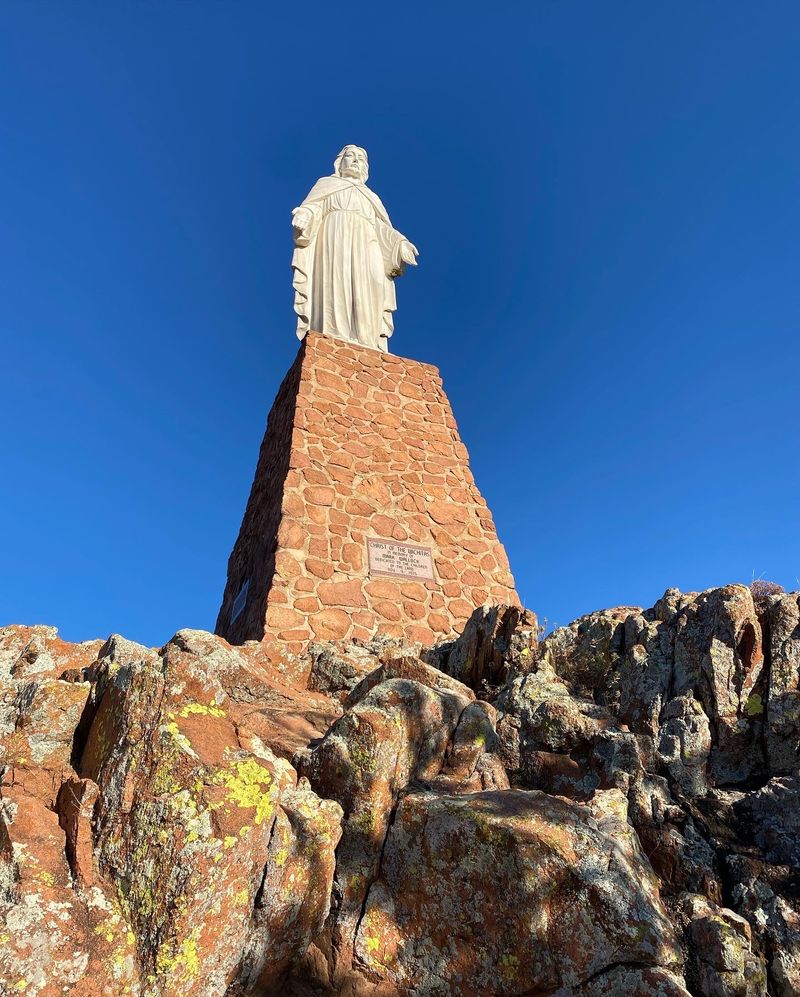
Twenty-three feet of stone watches over the grounds, and it goes by the name Christ of the Wichitas. Families often make the statue their first stop, since it is visible from a distance and makes a natural meeting spot if anyone wanders off.
Photographers, listen up. Some visitors wish the nearby power lines were buried, since the wires can sneak into otherwise gorgeous landscape shots.
A tree in front of the statue also gets in the way from certain angles, so try walking a wide circle before settling on your frame.
Here is a fun trick shared by one visitor: leaving Jed Johnson Lake and looking back toward the hills, the statue appeared to be coming over the ridge. Scouting that viewpoint on your fall drive could land a family photo nobody else in the group chat has.
Autumn light helps too. Lower sun angles in October and November tend to warm up the granite and throw long shadows, which can make the statue look even more dramatic in late afternoon.
Just remember the site closes at 5 p.m., so arrive with time to spare instead of racing the clock.
Courts, Halls, and a Garden Carved From Local Rock
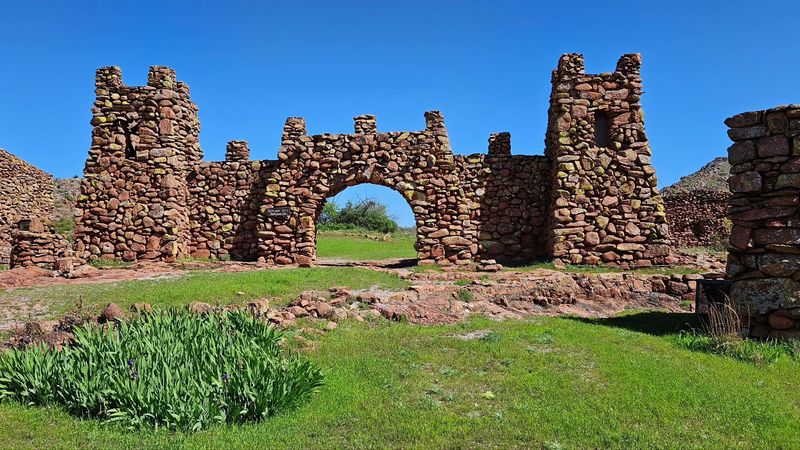
Herod’s Court, Pilate’s judgment hall, a replica temple court, the Lord’s Supper building. Reading the list sounds like flipping through a Sunday school lesson, but seeing each structure in real granite is a very different experience.
Every building is full-sized, so kids can walk through doorways and stand in courtyards rather than peering at a model behind glass. Specialized brick paths connect the structures, making it easy to roam from one scene to the next at your own speed.
Visitors say the stonework is genuinely impressive, especially knowing the rock came from the surrounding area.
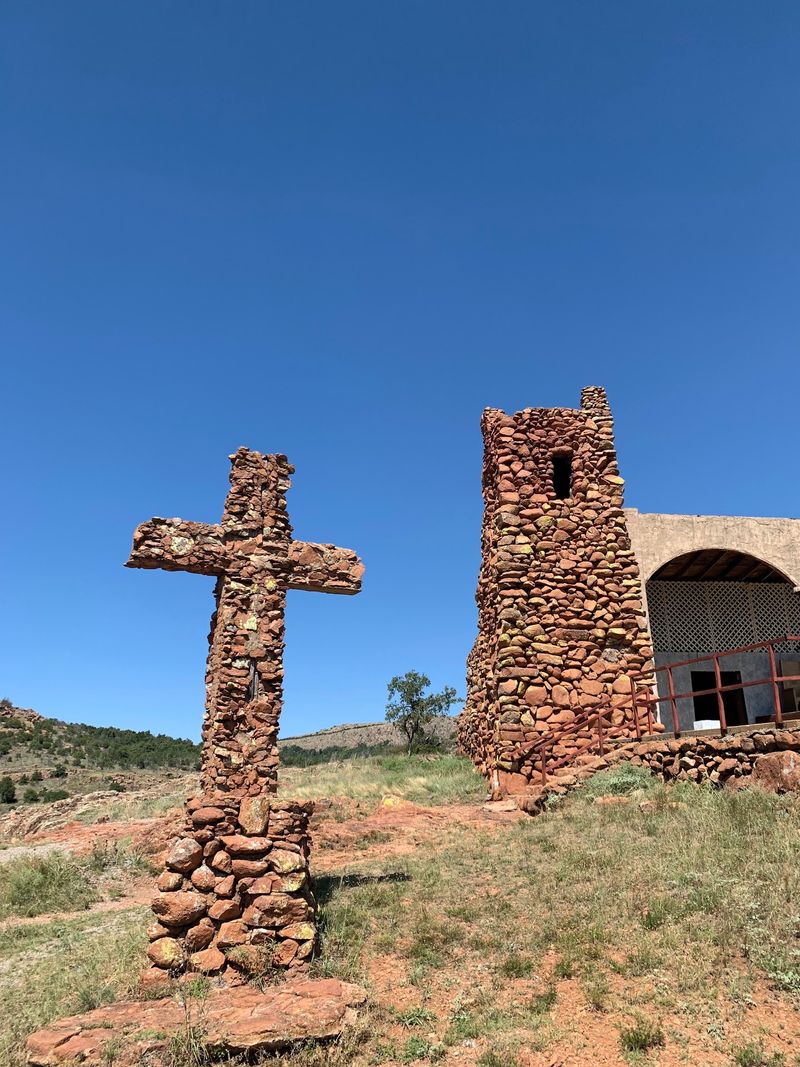
Farther along, the Garden of Gethsemane offers a greener, more reflective corner. Calvary’s Mount, marked by three wooden crosses, stands as one of the most recognizable sights on the property and tends to quiet even the busiest group.
Watchtowers and shrines are scattered throughout, adding to the feeling of an old walled town. One visitor described it as almost like stepping back in time, and another said it helped them picture daily life in biblical days.
Wear comfortable shoes. The grounds cover about 66 acres, and exploring every corner takes longer than most people expect.
Bison Naps, Prairie Dogs, and Fall Refuge Drives
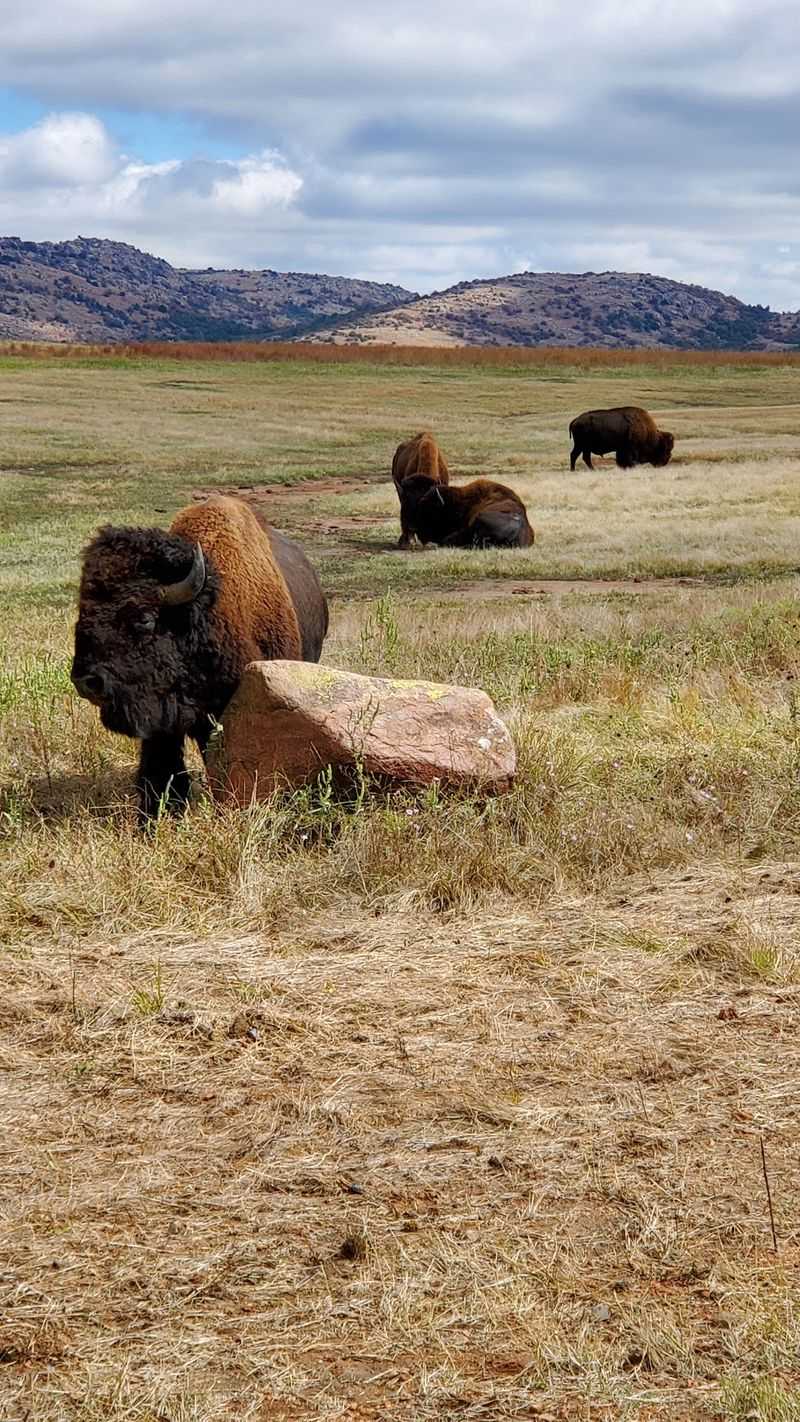
Traffic jams in a wildlife refuge usually mean one thing: bison. One visitor spotted a cluster of cars pulled over near the Holy City and discovered two bison napping peacefully by the road.
Not exactly your typical parking-lot surprise.
The Wichita Mountains Wildlife Refuge wraps around the site, so the drive in is half the fun. Prairie dogs pop up often enough that kids start counting them, and bison sightings are always a possibility.
Keep a respectful distance, stay near your vehicle when large animals are close, and let little ones watch through the windows.
Fall is when the refuge really shows off. Cooler temperatures replace the sticky summer heat, and scenic drives through the granite hills become far more pleasant.
Picnic weather, open windows, and fewer sweaty backseat complaints make autumn an easy sell.
A smaller heads-up: one visitor mentioned watching out for bees as well as buffalo, so pack any allergy essentials. Oklahoma wind can also pick up in the hills, and a light jacket rarely goes to waste on a fall afternoon.
Pair the Holy City with a slow loop through the refuge, and you have a full day outdoors for about the price of gas.
Peaceful Grounds for Scouts, Soldiers, and Grandparents
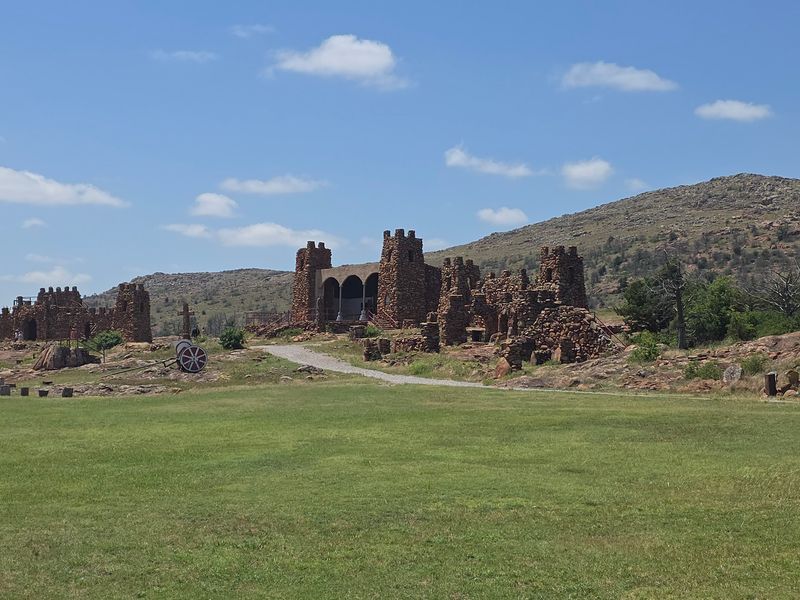
Quiet is the word visitors keep coming back to. Plenty of people describe the grounds as peaceful and welcoming, and a Monday morning visit can feel almost private.
For families used to crowded attractions, that calm can be a welcome change of pace.
Honesty helps with planning, so here it is: the experience centers on a strongly biblical, traditional perspective from start to finish. Families who share that faith often call it deeply moving, while others simply enjoy the architecture and history.
Knowing that ahead of time lets everyone set expectations.
The site is considered suitable for all ages, from toddlers to grandparents. The facility is ADA compliant, which matters for relatives who use wheelchairs or walkers.
Soldiers and their families from Fort Sill also make it a popular Family Day outing.
Scout leaders, church groups, and history buffs all find their own reasons to come. One longtime Oklahoman who had led Boy Scouts through the Wichita Mountains many times finally made his first visit and loved it, proof that even locals can miss it for years.
A meditation sanctuary adds one more spot for grown-ups craving a few minutes of stillness while the kids explore nearby.
Free Gates, Donation Boxes, and Planning Basics
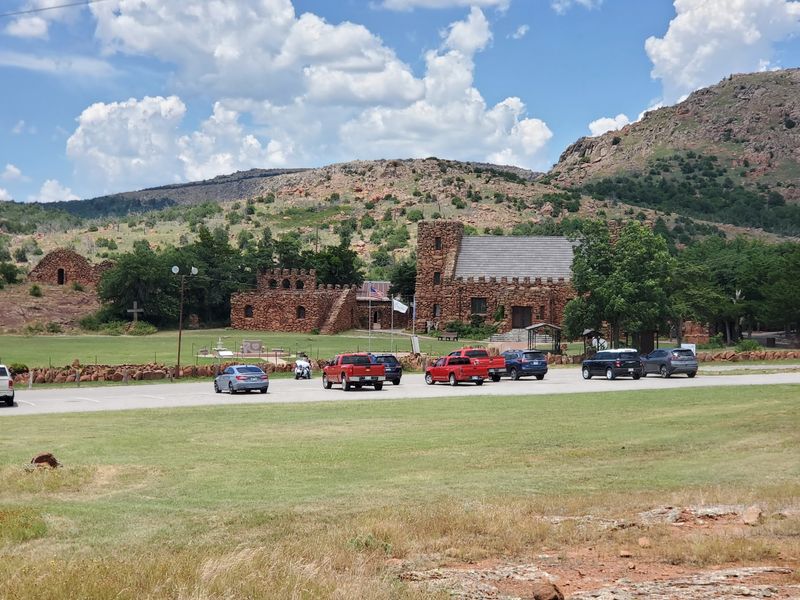
Free admission might be the sweetest detail of all. There is no ticket booth, and the Holy City runs entirely on donations as a partnership with the Wichita Mountains Wildlife Refuge.
Tossing a few dollars in the box helps keep the stone buildings maintained for the next generation.
Hours are generous. The grounds are open 8 a.m. to 5 p.m.
Monday through Saturday, and 1 to 5 p.m. on Sunday. Schedules may shift around weddings and pageant prep, so calling ahead at 580-429-3361 is a smart move.
Getting there works best with GPS set to 262 Holy City Road, Lawton. Some visitors find it a little out of the way, so saving directions before heading into the hills can save frustration.
Bus and motorcoach parking is available, which makes the site handy for church groups and school trips.
Once you arrive, swing by the gift shop, which gets mentioned constantly. One visitor praised the staffer inside as sweet and knowledgeable.
A small museum, guided tours, and a memorial honoring Oklahoma City’s 1995 tragedy round out the stops worth your time before heading back toward the refuge roads.
Worth the Autumn Drive From Anywhere in Oklahoma
Some Oklahoma road trips cost a small fortune. This one can run little more than a tank of gas, a sack lunch, and whatever you drop in the donation box.
Affordability is a big part of why families return every fall. The weather cooperates, the refuge is at its scenic best, pageant crowds are months away, and the granite streets can feel like they belong to you.
Kids get room to roam, grandparents get history they remember, and everyone gets a shot at spotting a bison on the way home.
Will it suit every traveler? Maybe not.
Anyone uncomfortable with a heavily faith-centered experience might prefer a shorter stop, and the aging displays are charming rather than flashy. For families who appreciate preserved places built by hand during the 1930s, though, it hits the mark.
First-timers often say the approach alone is worth the drive, when stone walls appear around a curve and jaws start to drop. Repeat visitors love how little has changed.
So load up the car this autumn, whether you are coming from Tulsa, Oklahoma City, or just down the road. Pack a jacket, charge the camera, and leave room for a slow afternoon among the stones.
