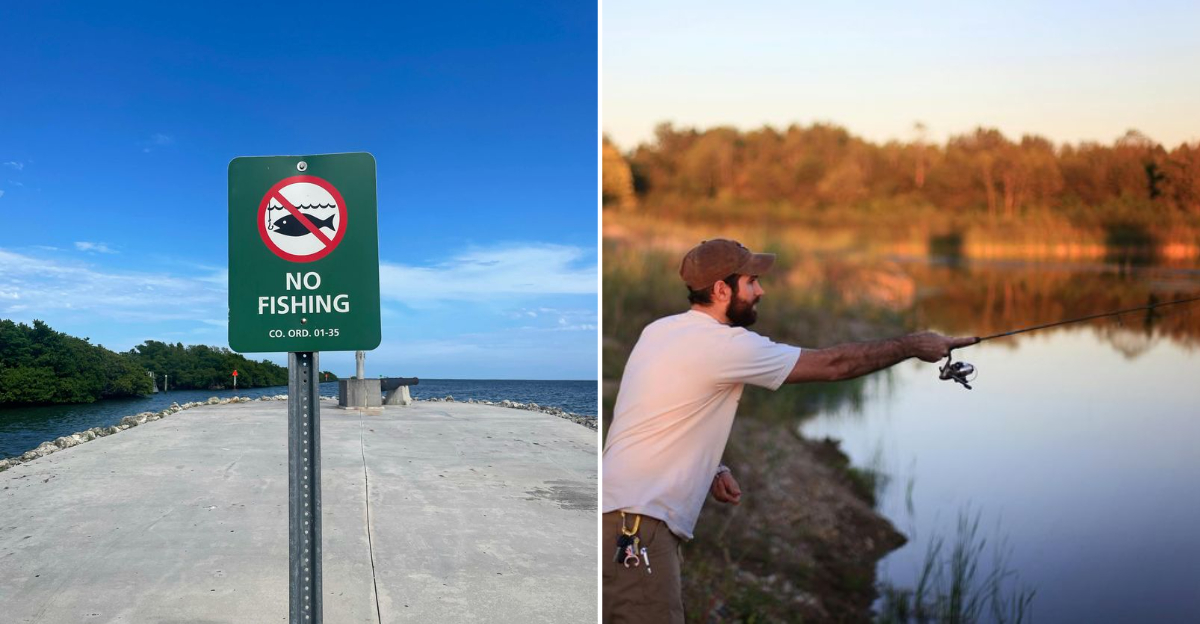
Ever tried casting a line in Alaska and wondered if you’re actually following the rules? That’s the challenge many tourists run into when they come here to fish.
Alaska is famous for its incredible salmon runs, halibut trips, and endless rivers, but the regulations can feel like a maze if you’re not used to them.
I’ve seen visitors get excited about their first catch, only to realize later that the size, season, or location had restrictions they didn’t fully understand.
The rules are meant to protect fish populations and keep the ecosystem healthy. But with different limits depending on the species, region, and even the day, it’s easy to see why newcomers get confused.
Locals usually know the ins and outs, but for tourists, it can feel overwhelming to keep track of everything while just trying to enjoy the experience.
So, what’s behind all the confusion, and why do Alaska’s fishing rules trip up so many visitors? Let’s break it down.
1. Rules Change By Region
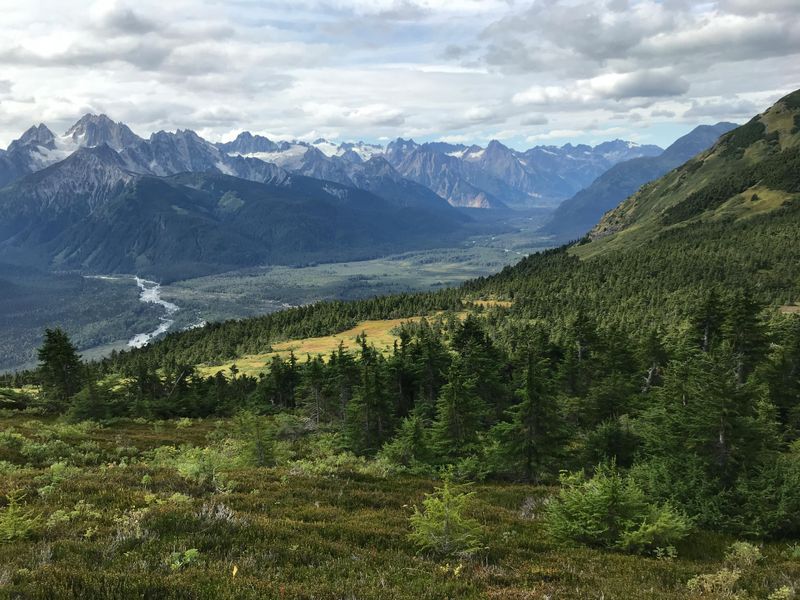
Here is the first curveball. Alaska is split into multiple management regions, and each one plays by different rules that shift with geography.
You cannot treat the state like one big uniform playground, because the boundaries matter and so do the fine print exceptions.
What happens next is simple. You hop between rivers and think your last-day rules still apply, but the new area might have different limits, methods, or even hours.
I think that turns an easy plan into a careful map check every time you move.
It feels like extra work, yet it protects local stocks that behave differently from bay to bay. If you fish near Anchorage then drive toward the Kenai, the rules can pivot fast.
Tourists often assume one statewide set, but this state simply does not work like that, and the booklet is your map.
2. Species Limits Are Highly Specific
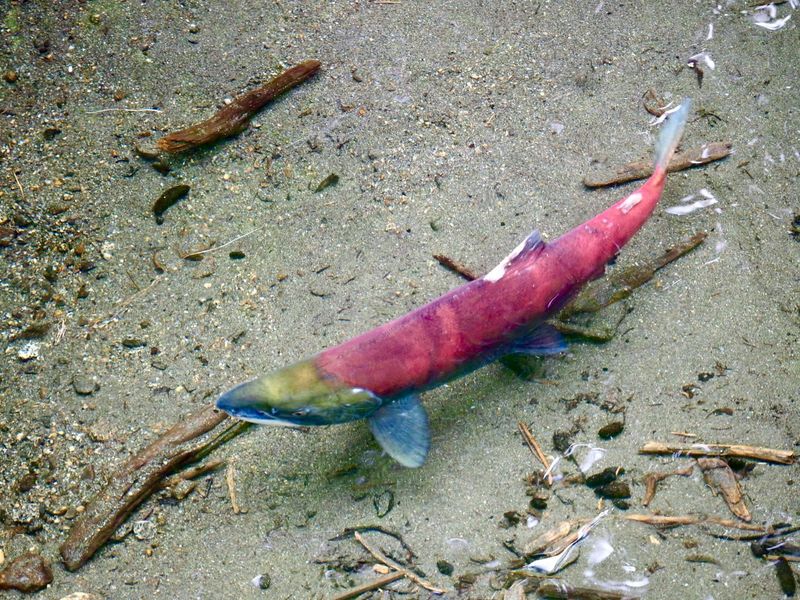
This one trips people up constantly. Limits change by species and size of the fish, which sounds intense until you realize it keeps the runs sustainable.
Misidentifying a salmon type happens fast when colors shift during the season.
Keep a laminated ID chart in your pocket and slow down before you punch a tag.
Some fish you thought were fine to keep might be off limits at that size, or only keepable if they are a hatchery fish with a clipped fin. The differences seem tiny until they become a violation.
I like to pause on the bank, measure carefully, and double check the jaw and fin features. You will feel nerdy for a minute and then relieved when it all lines up.
Getting the species right is not optional here, and it keeps everyone out of trouble.
3. Seasons Open And Close Quickly
Think the season lasts all summer? Well, not here.
Some fisheries blink open and closed so fast that yesterday’s plan is already outdated when you lace your boots.
Emergency changes come through when escapement goals are met.
One morning you are fishing and the next you are putting gear away because the notice posted overnight says stop.
That is not drama, it is just how the state tracks the runs to keep them healthy.
To keep up, check the hotline and websites before you drive. I also snap photos of bulletin boards so I can recheck wording later.
If you rely on old blog posts or cousin stories, you will miss the update and end up frustrated.
You might even find two rivers managed differently on the same day, so local knowledge matters.
The rules are not meant to trip you up, they are meant to keep fish coming back year after year.
Flexibility is part of the game, and the anglers who adapt quickly are the ones who keep fishing instead of packing up early.
4. Licenses Have Extra Requirements
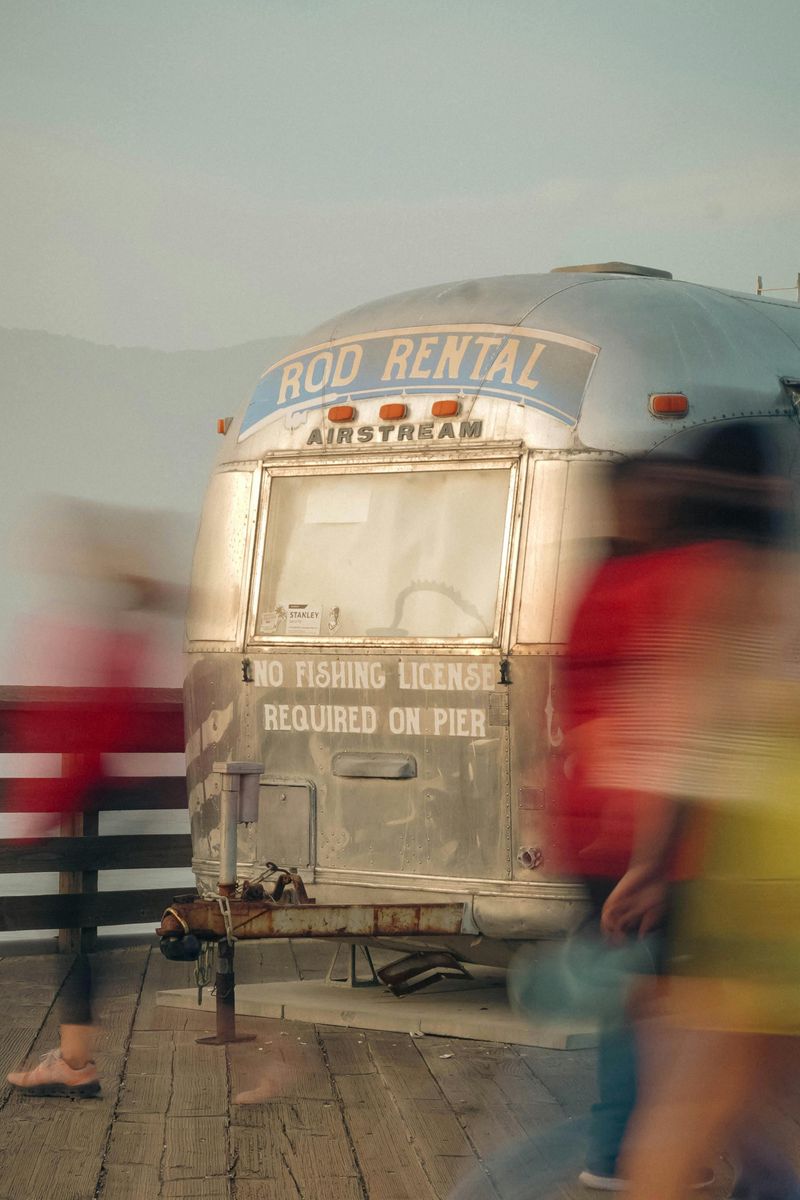
Buying a license feels like the finish line, but it is really step one. Certain species need extra stamps or harvest records that you carry and fill out immediately.
King salmon rules tend to be the most watched, and skipping a stamp is not a small mistake.
Here is what helps me. Keep a pen with the license and write down catches before you move or take photos.
Do not wait until you are back at the car, because some rules say record immediately and they mean it.
It sounds fussy, yet it keeps the data accurate so managers can protect future runs. I treat the card like part of the gear checklist along with pliers and a net.
When you build the habit, the extra steps fade into the background and the day flows better.
The payoff is peace of mind when wardens check your paperwork. You know you are covered because you wrote it down right away.
That confidence lets you focus on the river instead of worrying about a fine.
5. Gear Restrictions Surprise Visitors
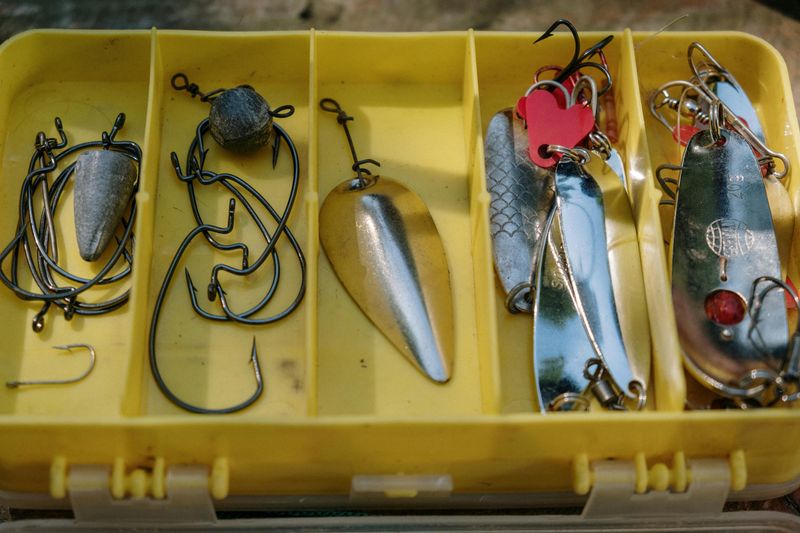
Here is the sneaky one: hook types, bait rules, and lure setups change by river and sometimes by a stretch of river.
What worked upstream might be illegal downstream, and rental kits are not always dialed to the current rules.
I ask shops to point out what is legal for the exact spot I plan to fish. Single hooks only means single hooks only, not almost, and bait bans include scented stuff you forgot about.
Check the small words, because that is where folks slip up.
Bring a small kit of legal hooks and keep packaging that says size and style. If a trooper asks, clear gear makes the talk easy.
It may feel picky, but the restrictions protect fish during vulnerable times when a certain hook or bait does more harm.
The details may seem small, but they add up to a smoother day on the water.
Knowing you are dialed into the right gear keeps the focus on fishing instead of worrying about a ticket.
In the long run, those careful choices help ensure the runs stay strong for the next season.
6. Catch And Release Still Has Rules
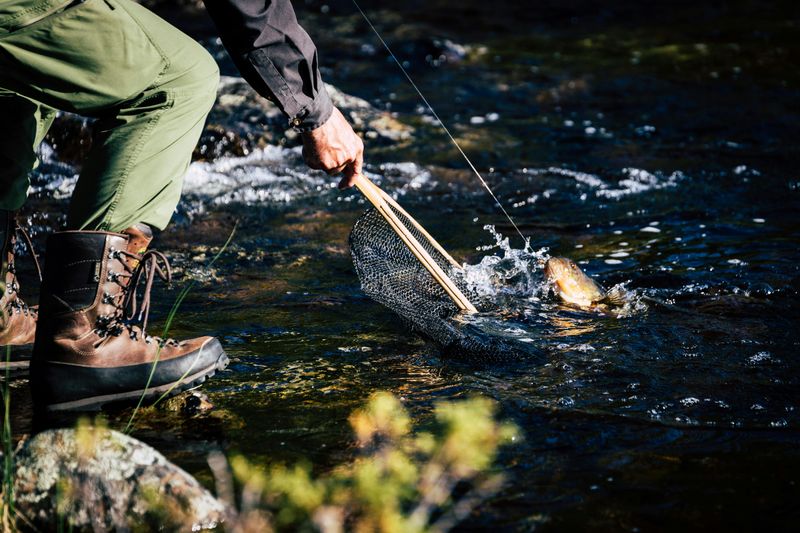
People think release means relax, but Alaska spells it out.
Some fish cannot be released once removed from the water, and some must be released immediately without any delay for photos.
That can feel strict if you are used to long grip and grin moments.
Use barbless hooks where required and keep the fish wet. If the rule says do not remove from water, then cradle it gently and let it go before your buddy even finds a camera.
The fish matter more than the picture when runs are tight.
I practice the moves before casting, so everything is quick and smooth: net ready, pliers ready, mind ready.
You will feel better knowing the release was clean and within the rules, which is the whole point of playing fair here.
7. Private Land And Access Confusion
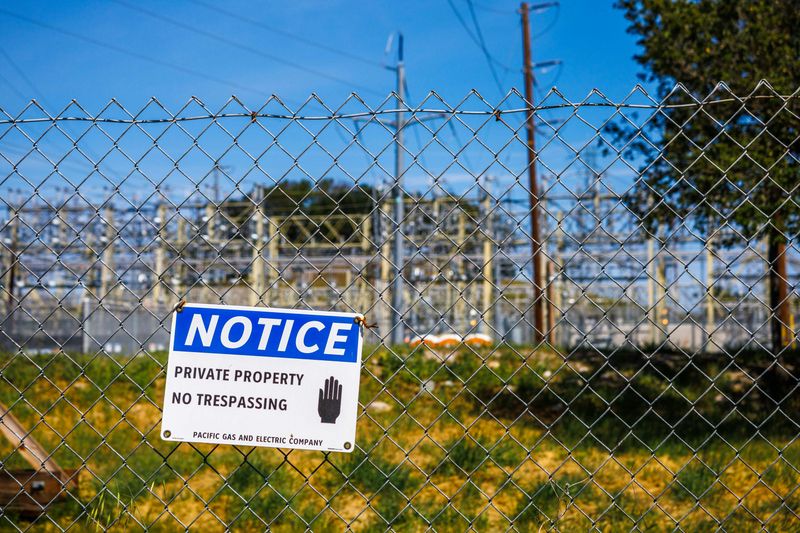
Not every pretty stretch is fair game. Rivers wind through mixes of public and private land, and access points are not always obvious from the road.
It is easy to park, march down a path, and find out you crossed a line you should not have.
I like to verify access on official maps and then look for posted signs near trails. If fencing or gates make you pause, take that pause seriously and find a confirmed entry.
A quick conversation with a local shop often saves a long backtrack.
Respect goes far in this state, and it keeps the vibe friendly for everyone who comes after you. When in doubt, skip the sketchy path and hunt for a known turnout instead.
It is not worth risking a fine or souring a relationship with nearby landowners.
8. Regulation Books Are Dense
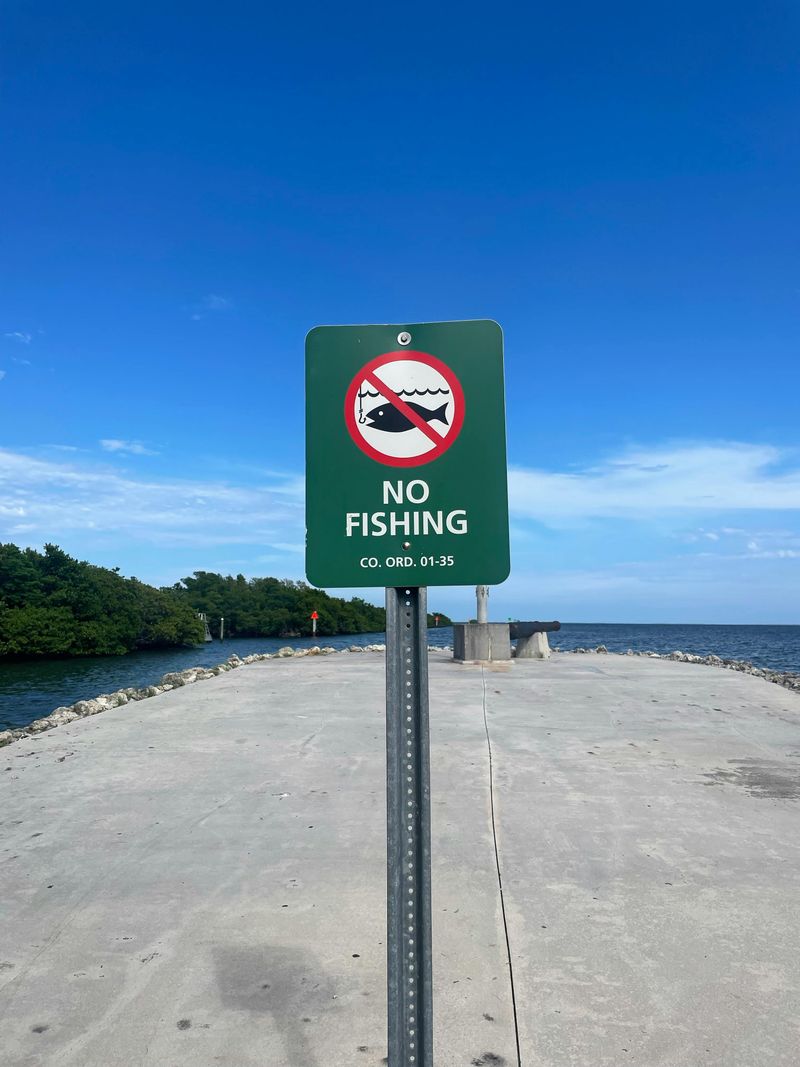
Let me be honest. The booklet looks heavy and reads like a technical manual, packed with maps, footnotes, and a forest of exceptions.
Skimming feels tempting until the one line you missed becomes the rule you needed most.
I mark pages with sticky tabs for each river I am planning to fish.
Then I circle footnotes and write a few plain language notes in the margins so my tired brain can process them on the riverbank.
That extra prep pays off when light is fading and decisions need to be quick.
Think of the booklet as your quiet guide. It is not exciting, but it is precise.
The more you interact with it, the less surprising the day becomes, and the fewer awkward conversations you will have with troopers.
9. Charter Vs Shore Rules Differ
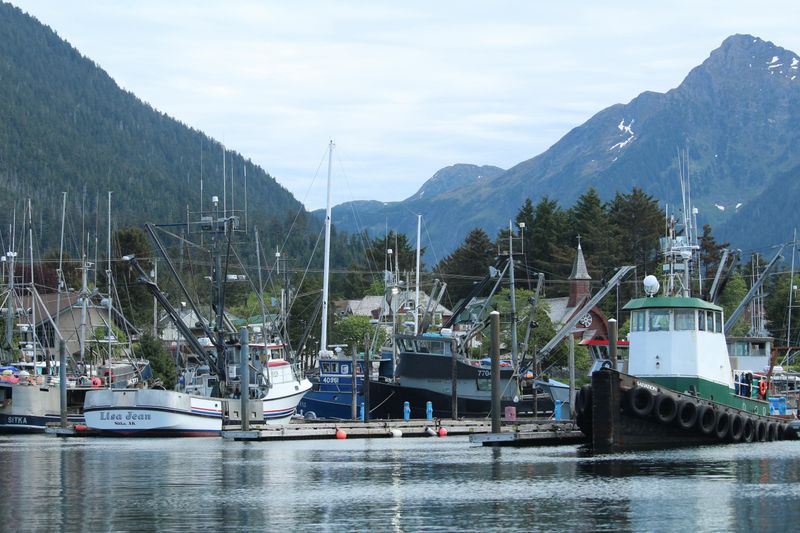
Here is where brains tangle. Guided trips and independent fishing can follow different limits and retention rules, and those differences do not blend.
When you step off a boat, your situation changes with it.
I ask the captain to explain what I can keep on board and what happens the second we touch the dock. Some rules separate guided from unguided to spread pressure across the fishery.
Tourists mix the two and think yesterday’s boat limit applies to today’s shoreline cast.
Clarity helps, so write down your day type before leaving the room, boat or shore, and carry the specific rules for that format.
I know it sounds silly, yet it prevents the classic moment where you confidently keep a fish that should have stayed in the water.
10. Enforcement Is Strict And Visible
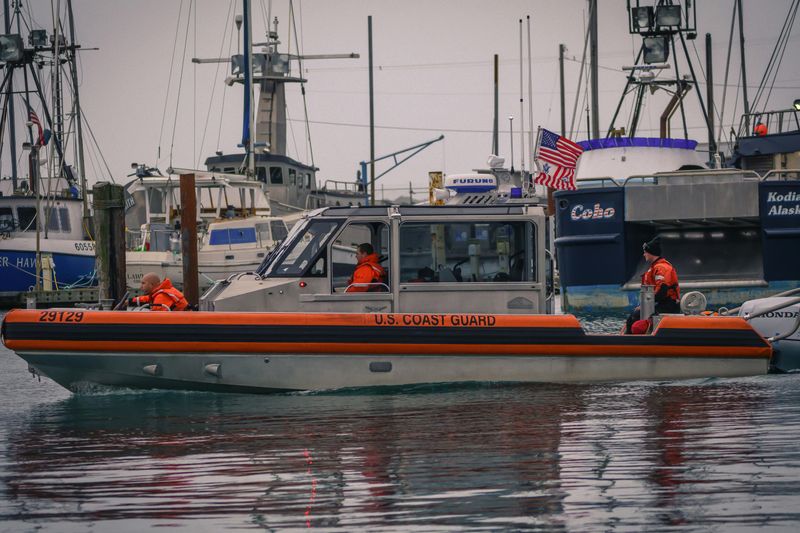
You will see troopers. They show up at boat ramps and busy holes, and they know the questions to ask.
Ignorance does not carry weight when the rules are posted and the hotline is available.
Honestly, I find it reassuring. Clear enforcement keeps the chaos down and protects the runs that make the trip worth the effort.
If you are prepared, the conversation is quick and friendly.
Keep your license accessible, harvest records filled, and gear compliant. If something feels uncertain, ask before casting.
You will leave with a calm mind and good memories instead of a story you wish you could forget.
Most of the time, the check takes only a minute and you are back to fishing. A respectful attitude goes a long way toward making the interaction smooth.
In the end, everyone is working toward the same goal, healthy runs and fair opportunity on the water.
11. Local Knowledge Matters More Than Signs
Signs are helpful, but locals carry the fresh details. Bulletin boards in shops get updated faster than any roadside post, and the counter talk fills the gaps you did not know existed.
Skipping that stop is the easiest mistake of the whole trip.
I walk in, say what I plan to fish, and ask what changed this week. Someone usually points to a tiny line in an order or a tweak in tackle rules near a bridge.
I think that quick chat reshapes the plan and saves a headache later.
It is part social, part strategy. Alaska responds to real time conditions, and locals feel those shifts first.
Lean into that rhythm and the day runs smoother than any printed schedule could promise.
12. Conservation Is Taken Seriously
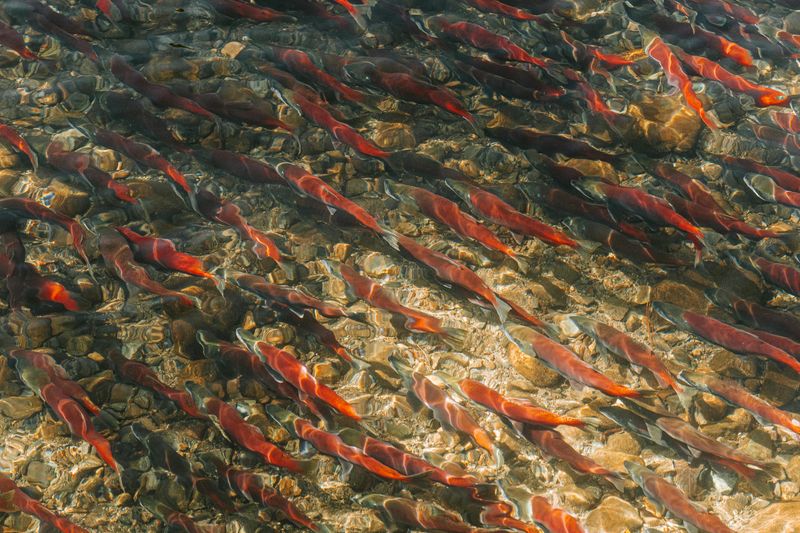
This is the heart of it: Alaska guards long term fish health with rules that feel heavy when you first arrive.
Once you fish a few days, you start to see why the details matter and how they keep runs strong.
Spawning success is the goal, and every limit, season tweak, and gear rule serves that goal.
When people follow the plan, future trips stay magical and communities stay steady. It is less about restriction and more about respect.
I remind myself that patience is part of the experience here. Read carefully, ask questions, and move with the program.
You will head home feeling connected to a place that takes its wild promise seriously, and you will be proud you did it right.
13. Plan Like A Local Traveler
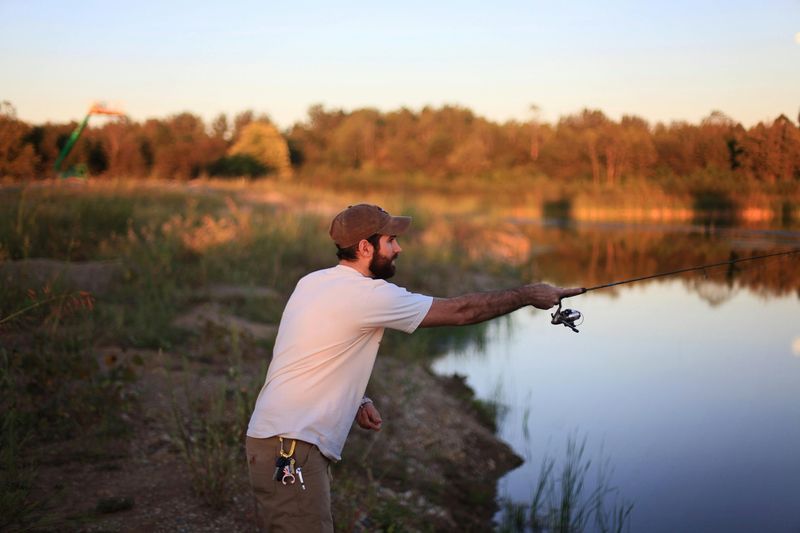
Let’s finish with a simple plan. The night before, check emergency orders, mark your region, and sort your gear to match the exact rules for the morning.
Pack your license, stamps, and a pen somewhere you can reach without digging.
In the truck, confirm the day type, guided or shore, and note species you might target. Make sure to carry a quick ID card and a measuring tool so you do not guess under pressure.
If something feels fuzzy when you park, hit a shop and ask for a reality check.
Alaska rewards preparation with calm, steady days on the water. It does not feel fussy once the system becomes routine.
Keep it friendly, stay curious, and you will fish more and worry less, which is the whole point of the trip.
