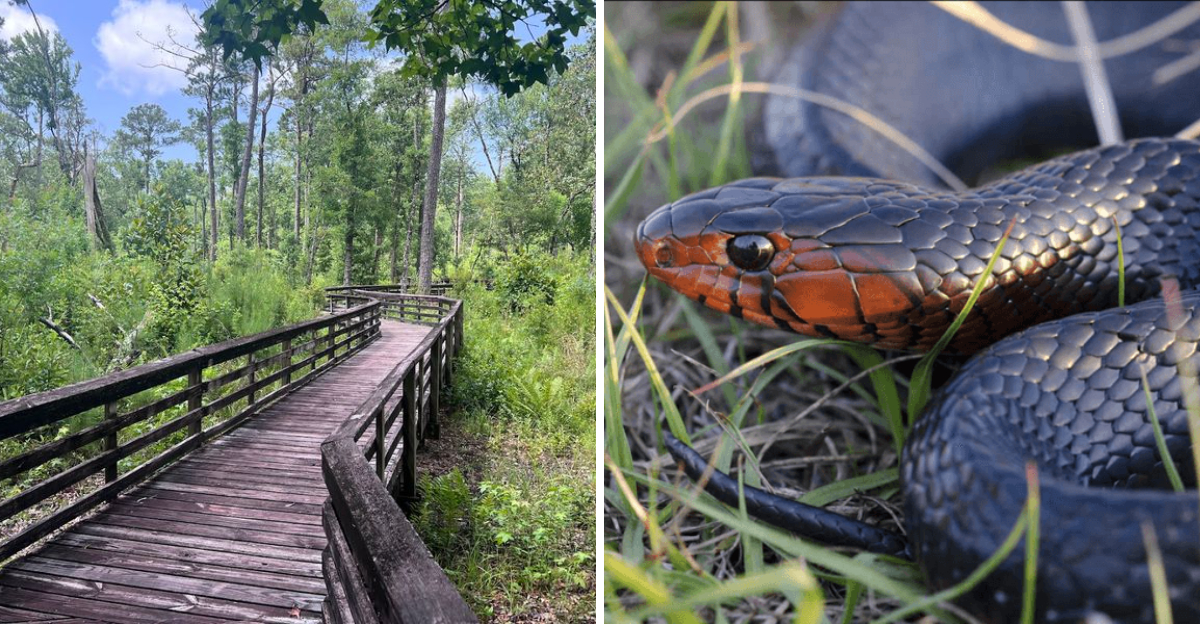
Most people drive right past it without a second glance, but Weeks Bay National Estuarine Research Reserve near Fairhope, Alabama is one of the Gulf Coast’s most rewarding natural escapes. Spread across thousands of acres of protected wetlands, forests, and estuarine habitat, it quietly shelters an impressive range of wildlife and native plant species.
A network of boardwalks and trails winds through the landscape, carrying you over marshes, shaded forest edges, and open water views where the ecosystem feels especially alive. It is the kind of place that feels unassuming at first glance but quickly reveals its depth once you start walking, offering a calm, immersive experience that shows a very different side of coastal Alabama.
The Boardwalk Experience That Feels Like Walking on Water
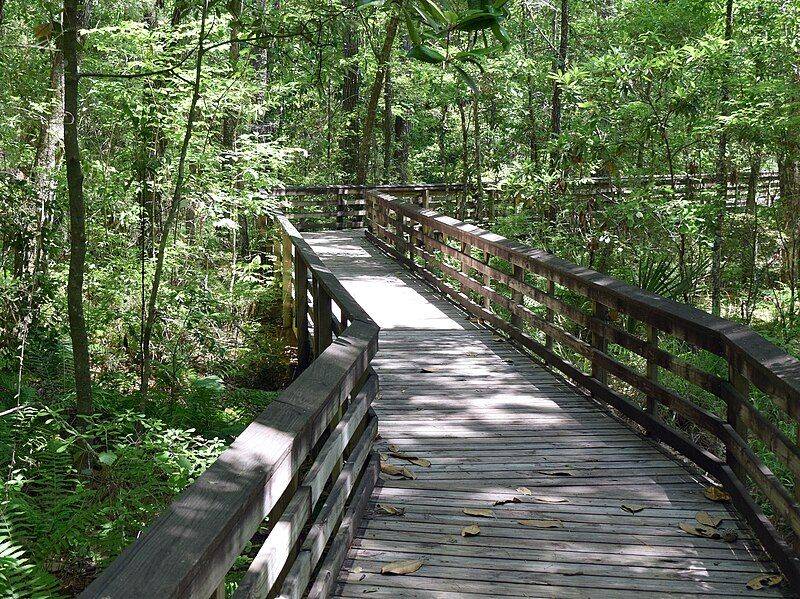
Most boardwalks give you a peek at nature. The trail system at Weeks Bay National Estuarine Research Reserve gives you the whole picture.
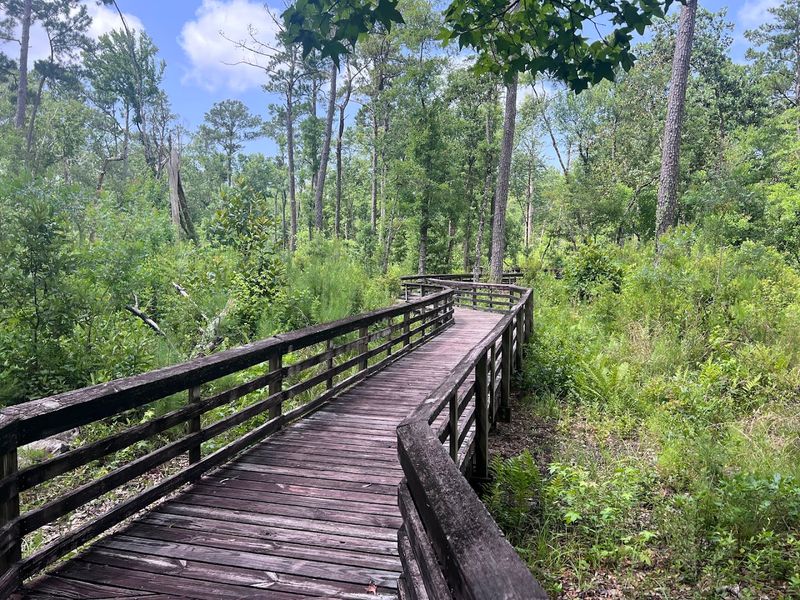
The combination of elevated boardwalk and nature trail stretches approximately 1.3 miles, roughly 6,864 feet, cutting through bottomland hardwood forests, marshes, and estuarine wetlands unlike anything most visitors have seen before.
Walking the path feels genuinely immersive. The wooden planks lift you just above the waterlogged ground, giving you a bird’s-eye view of the root systems, aquatic plants, and murky water below.
Every turn reveals something new, whether it is a cluster of ferns clinging to a cypress trunk or the sound of unseen birds calling from the canopy overhead.
The boardwalk behind the visitor center leads directly to an observation deck overlooking Weeks Bay, and that final reveal is worth every step. The deck is wheelchair accessible, making this a trail that truly welcomes everyone.
Families with young children, older visitors, and first-time hikers all find the experience manageable and deeply rewarding.
Wear closed-toe shoes since the boards can be uneven in spots, and bring water during warmer months. The reserve is located at 11300 US-98, Fairhope, AL 36532, and the boardwalks are open seven days a week.
Arriving in the morning gives you the best light and the most active wildlife sightings of the day.
A Pitcher Plant Bog Unlike Anything You Have Seen Before
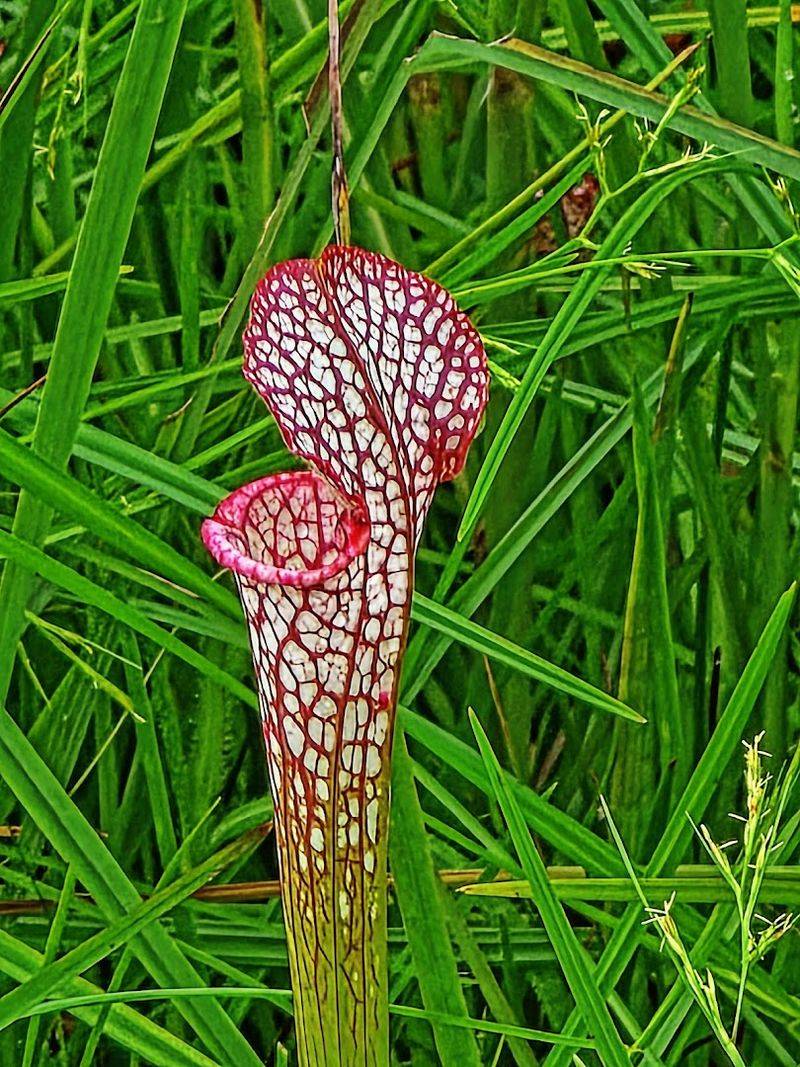
Pitcher plants are not something most people expect to find on a casual nature walk in Alabama. Yet the Weeks Bay Pitcher Plant Bog is one of the reserve’s most celebrated features, offering a two-thousand-foot handicap-accessible wooden boardwalk that winds right through a thriving colony of these carnivorous plants.
Seeing them in person for the first time is genuinely surprising.
These plants survive in nutrient-poor, acidic soil by trapping and digesting insects inside their tube-shaped leaves. The bog environment that supports them is rare and fragile, which makes the reserve’s commitment to protecting it all the more meaningful.
Walking alongside these plants gives you a real sense of how strange and creative nature can be when left alone to do its thing.
The bog boardwalk is separate from the main nature trail and is worth visiting on its own. Spring and early summer tend to bring out the most dramatic growth, with the plants reaching full height and displaying their striking colors.
Even in fall and winter, the bog landscape holds a quiet, otherworldly beauty.
Visitors who had never heard of pitcher plants before stopping here often describe it as one of the most memorable moments of their trip to the Alabama Gulf Coast. The reserve staff can answer questions about the bog ecosystem, and informational signage along the path adds helpful context without overwhelming you.
Bird Watching on the Alabama Coastal Birding Trail
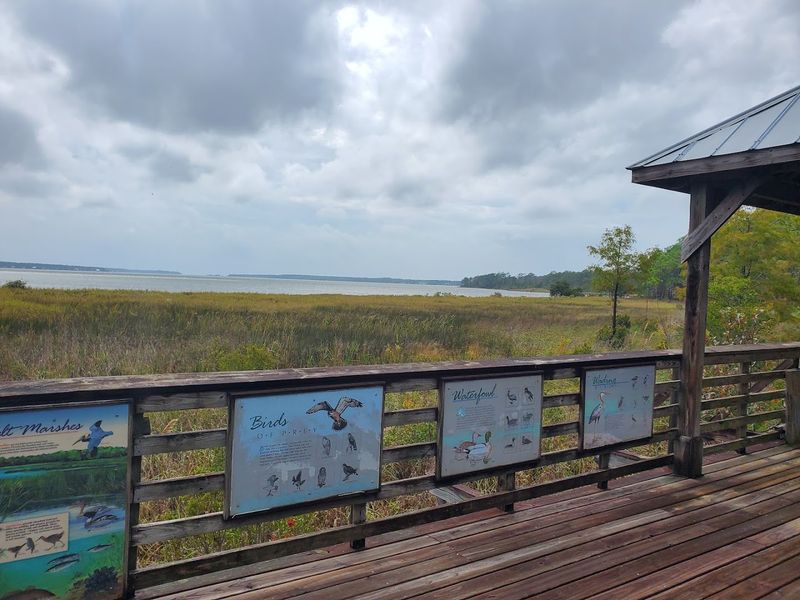
Weeks Bay Reserve sits on one of the most active bird migration corridors in North America. The reserve is an official stop on the Alabama Coastal Birding Trail, and the numbers back up the reputation: nearly 350 bird species have been recorded here.
That kind of diversity draws serious birders from across the country, but casual visitors are just as likely to be blown away.
Trans-Gulf migratory birds use the reserve as a critical rest stop during their long journeys between North and South America. Watching a wave of warblers arrive in the treetops after crossing hundreds of miles of open water is one of those experiences that sticks with you.
Spring migration, roughly April through May, tends to produce the most dramatic activity.
The observation deck at the end of the main boardwalk offers sweeping views of the bay and surrounding marsh, giving birders an excellent vantage point without disturbing the habitat. Early morning visits are ideal since bird activity peaks in the first few hours after sunrise.
Bringing binoculars and a field guide to southeastern birds will make the experience significantly richer.
Even outside peak migration season, resident species like herons, egrets, ospreys, and woodpeckers are reliably present. The reserve’s mix of forest, marsh, and open water means there is always something worth watching, no matter when you visit throughout the year.
Rare and Endangered Wildlife You Can Actually See
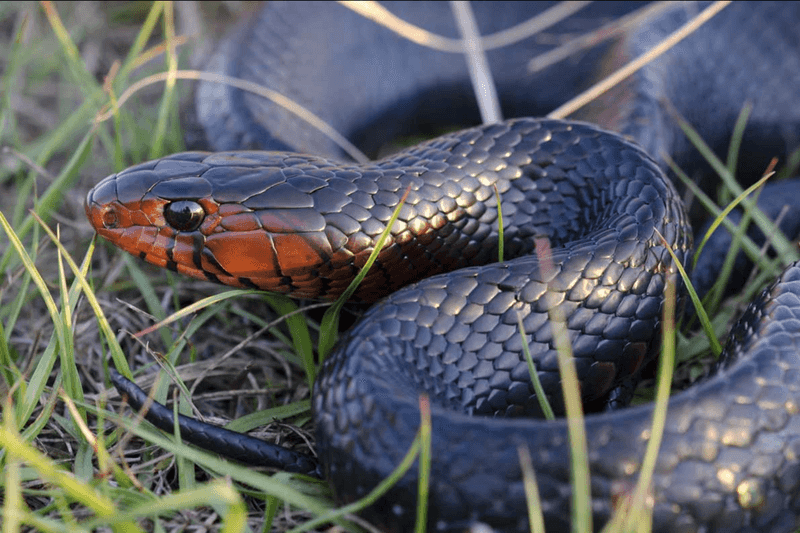
Some wildlife reserves promise rare animals and deliver little more than empty trails. Weeks Bay is genuinely different.
The reserve provides critical habitat for species like the eastern indigo snake and the Alabama red-bellied turtle, both of which face serious conservation challenges across their ranges. Spotting either one in the wild here is a real possibility, not just a long shot.
The Alabama red-bellied turtle is found almost exclusively in the Mobile Bay drainage system, making this corner of coastal Alabama one of the few places on Earth where you can realistically observe one. The reserve’s protected marshes and shallow waterways give these turtles the undisturbed habitat they need to survive and reproduce.
Seeing one basking on a log along the boardwalk is a quiet but powerful reminder of why protected lands matter.
Beyond these headline species, the reserve supports a broad community of reptiles, amphibians, fish, and invertebrates. Hermit crabs, blue crabs, and bay anchovy are part of the estuarine food web that keeps the whole ecosystem functioning.
The visitor center at 11300 US-98, Fairhope, AL 36532, keeps live displays of several local species, including snakes and fish, so even younger visitors get a close look at the area’s remarkable wildlife.
The staff is knowledgeable and genuinely enthusiastic about the animals in their care. Asking questions during your visit is encouraged and usually leads to fascinating conversations about local ecology.
Free Admission and Family-Friendly Fun All Year
Free admission to a world-class natural reserve sounds almost too good to be true, but that is exactly what Weeks Bay offers. There is no entrance fee, no parking charge, and no ticket booth.
Families, solo visitors, school groups, and retirees all show up and enjoy everything the reserve has without spending a single dollar at the gate.
The visitor center adds real depth to the experience. Inside, you will find live animal displays featuring local fish, snakes, and reptiles, along with preserved specimens and educational exhibits about the coastal ecosystem.
A hands-on education room includes microscopes where kids can examine natural samples up close, and that particular feature has earned a devoted following among younger visitors who find the magnified world completely fascinating.
The trails and boardwalks are accessible seven days a week, while the visitor center is open Monday through Saturday from 9 AM to 5 PM. The combination of indoor and outdoor activities means a family can easily spend two to three hours here without running out of things to explore.
Picnic areas make it easy to pack a lunch and turn the visit into a half-day outing.
Nearby, the Fairhope Municipal Pier at 1 Pier St, Fairhope, AL 36532, offers a scenic waterfront extension to your day. Pairing both stops makes for a well-rounded and completely affordable Gulf Coast adventure that families of all ages genuinely enjoy together.
Kayaking and Canoeing Through a Living Estuary
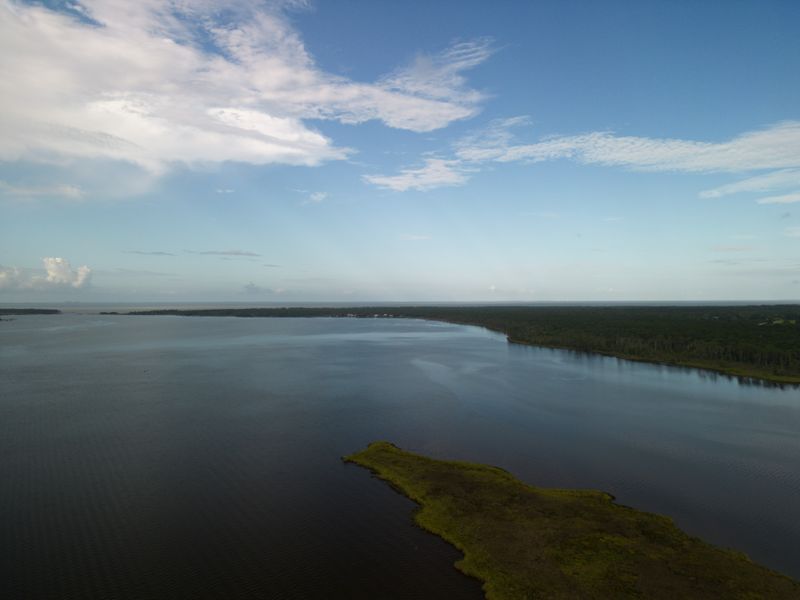
Getting on the water at Weeks Bay transforms the whole reserve experience. The estuary is a shallow sub-bay of Mobile Bay, fed by the Fish and Magnolia Rivers, and paddling through it puts you directly inside one of the most productive coastal ecosystems in the entire Gulf region.
The water is calm, the scenery is layered and rich, and the sense of quiet out on the bay is hard to replicate anywhere else nearby.
Canoeing and kayaking are permitted in the reserve, and the open water areas offer access to marsh edges, submerged aquatic vegetation beds, and tidal channels that you simply cannot reach on foot. Wildlife sightings from the water tend to be more intimate since you move quietly and stay low to the surface.
Herons, egrets, and shorebirds often continue feeding right alongside a slow-moving paddler.
The estuary also functions as a vital nursery for commercially important species including shrimp, blue crab, and various fish. Paddling through these nursery habitats gives you a direct sense of how interconnected the food web really is.
Seeing juvenile fish darting through the grass beds below your kayak is a genuinely grounding experience.
For those looking to extend the water adventure, the Weeks Bay area connects to broader Mobile Bay paddling routes. Local outfitters in Fairhope can provide equipment and guidance for first-time paddlers who want to explore the estuary safely and responsibly throughout the year.
A Hub for Education, Research, and Coastal Stewardship
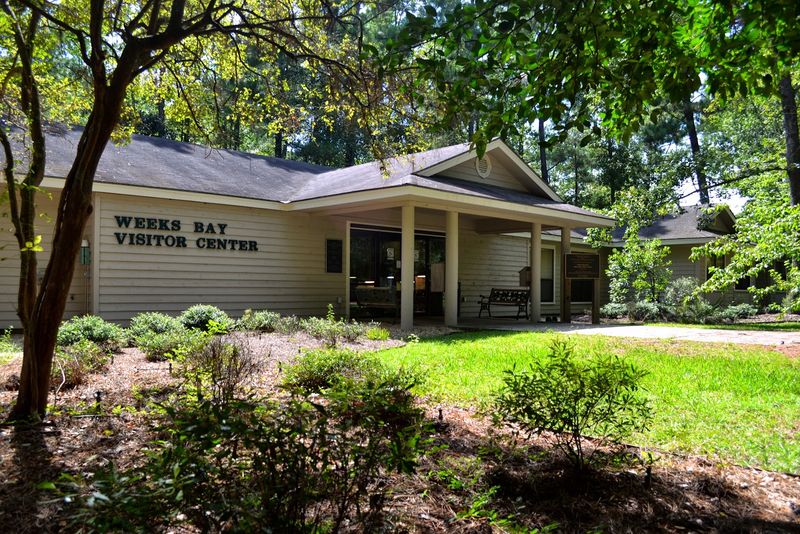
Weeks Bay is not just a pretty place to walk. It is an active research and education center that is part of the National Estuarine Research Reserve System, a nationwide network of protected coastal sites managed in partnership with NOAA.
That federal connection means the science conducted here directly informs coastal management decisions across the country.
The Alabama Department of Conservation and Natural Resources manages the reserve locally, and the educational programs it offers are genuinely impressive for a free public facility. School groups regularly visit for guided tours that cover everything from estuarine ecology to the life cycles of migratory birds.
The hands-on approach taken by reserve educators makes complex environmental concepts accessible and engaging for students of all ages.
Volunteer opportunities are available for community members who want a more active role in protecting the reserve. From habitat restoration projects to citizen science monitoring, there are meaningful ways to contribute beyond simply showing up as a visitor.
The reserve staff welcomes that kind of engagement and provides training for volunteers who are new to conservation work.
For visitors who want to explore more of the area’s natural and cultural offerings, the Weeks Bay Reserve sits close to several other worthwhile destinations. The Fairhope Museum of History at 24 N Section St, Fairhope, AL 36532, offers a grounded look at the region’s past.
Combining both stops gives you a fuller picture of what makes this corner of coastal Alabama so worth knowing.
