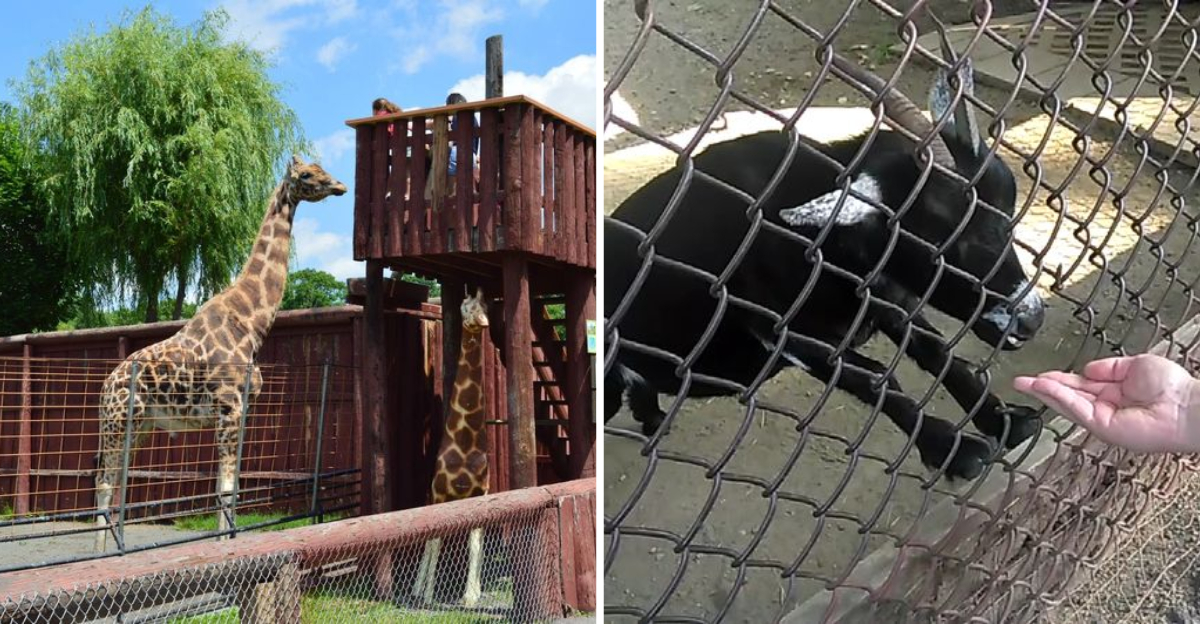
You drive up to this Massachusetts zoo and it looks like any other small zoo. Paths.
Enclosures. Families with strollers.
But then you learn the backstory and everything shifts. It started as a Polish immigrant’s farm.
One guy who loved animals and just kept collecting them. A deer here.
A monkey there. Eventually his backyard menagerie grew into something the whole community came to see. Now it is a full zoo, but you can still feel those humble roots.
The place is quiet compared to the big city zoos. No crowds.
No chaos. Just animals and space and a strange sense of history.
Massachusetts hides stories everywhere. This one involves a monkey and a Polish dream.
From Farmland to Family Zoo: The Origin Story
The land at 68 Nash Hill Road did not start as a zoo. It started as a farm, worked by hands that had traveled far and carried a lot of hope with them.
A Polish immigrant family put roots down here in Ludlow, Massachusetts, turning raw New England soil into something livable, something theirs.
That agricultural spirit never really left the property. You can still feel it in the layout, the no-frills paths, the practical buildings that look like they were built to last rather than to impress.
There is something deeply grounding about knowing that the place you are visiting was once someone’s entire world, their livelihood, their everyday routine.
Over time, the family began adding animals. First a few, then more, then even more.
What started as a personal passion slowly became something the community could share. The transformation from private farm to public zoo did not happen overnight, but it happened with intention and care.
That slow, deliberate growth is exactly what gives Lupa Zoo its character today.
The Polish Immigrant Roots That Still Shape This Place
Polish immigrant heritage runs quietly through everything at Lupa Zoo, even if it is not announced on every sign. The family that built this place brought with them a work ethic and a closeness to animals that is very much part of Central European farming tradition.
That background shaped how the zoo grew, slowly, practically, and with genuine love rather than commercial ambition.
Ludlow itself has a strong Polish-American community, one of the most notable in Massachusetts. So the story of this farm is not just one family’s story; it echoes something larger about what immigrant communities built in this part of New England.
Hard work turned into legacy, and legacy turned into something the public now gets to experience on a weekend afternoon.
There is no grand monument to this history at the zoo. It lives more subtly, in the scale of the place, in the way nothing feels overdone or flashy.
Visiting here feels like being welcomed into someone’s extended backyard, which, in a very real sense, is exactly what it is. That intimacy is rare, and it is worth appreciating.
A Zoo That Grew Animal by Animal
Nobody sat down and drew up blueprints for a 200-animal zoo from the start. Lupa Zoo grew the way most genuinely good things do, organically, one decision at a time.
A new animal arrived, space was made, care was given, and then another came. That pattern repeated itself over years until the collection became something truly impressive.
Today the zoo houses hundreds of animals across a wide range of species. Zebras graze in open paddocks.
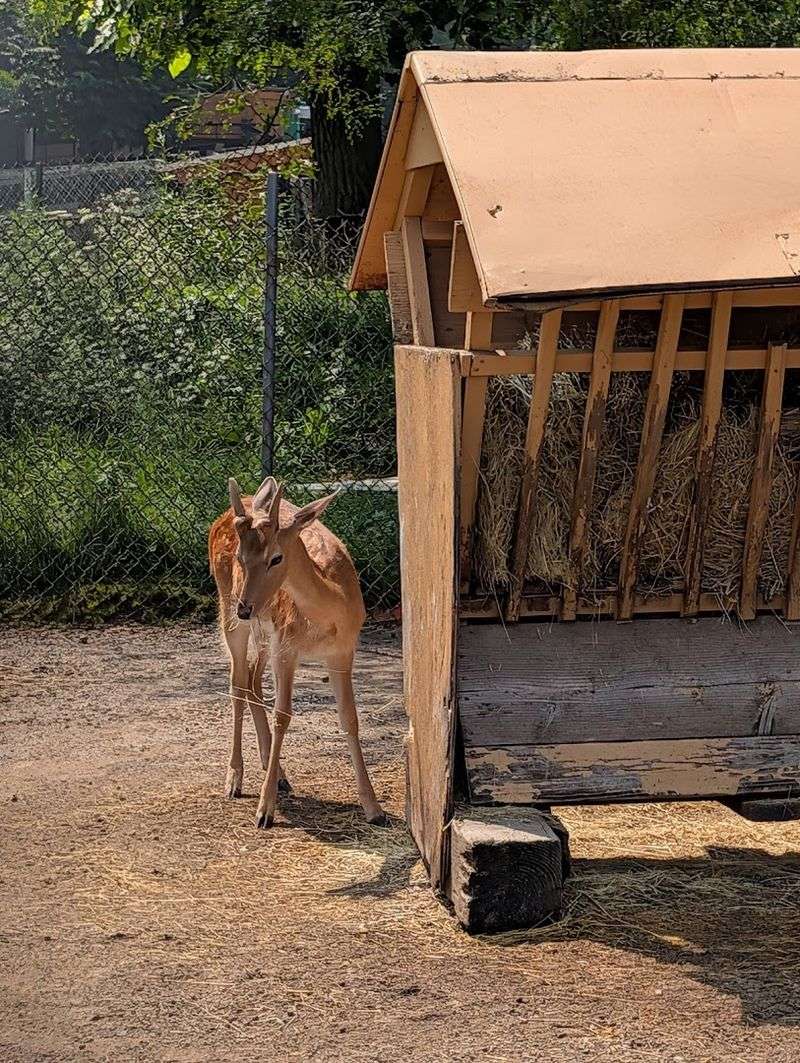
Monkeys chatter from their enclosures. Deer wander close enough that kids reach out instinctively.
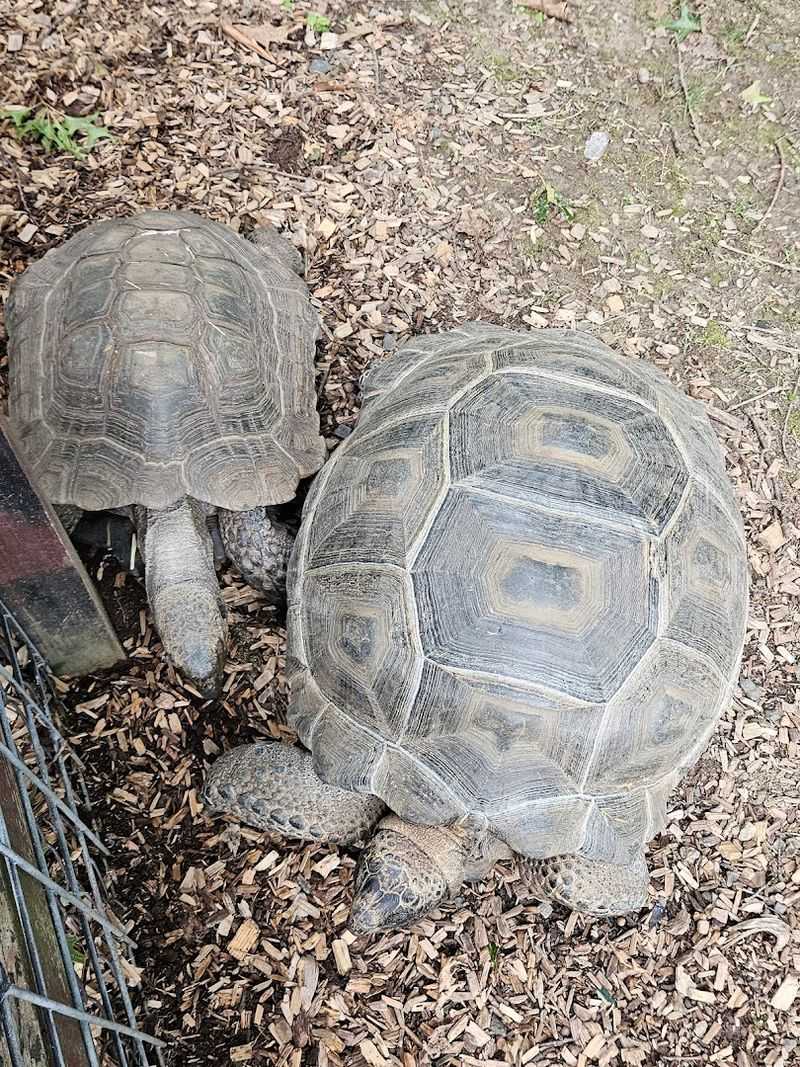
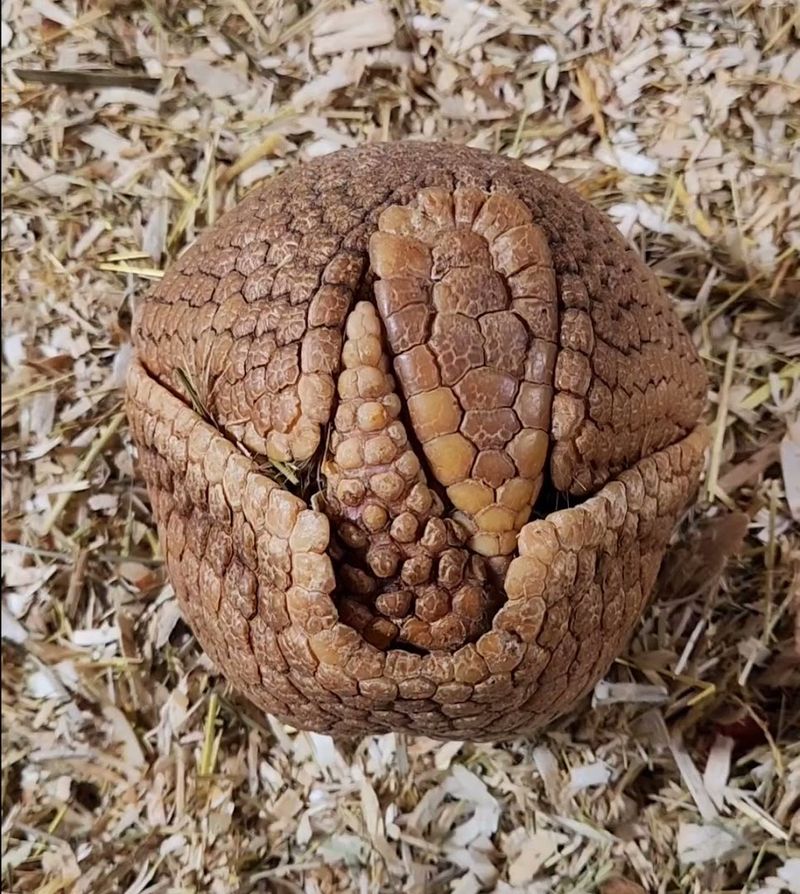
Donkeys, birds, reptiles, and other exotic species fill the grounds with noise and movement and life.
What makes this growth story compelling is that it never felt like an expansion plan. It felt like a family that simply could not stop caring about animals.
Each new resident of the zoo was a commitment, not a commodity. You get the sense that every creature here was wanted, not just acquired.
That distinction matters more than most people realize when they visit a place like this for the first time.
What the Layout Tells You About the People Who Built It
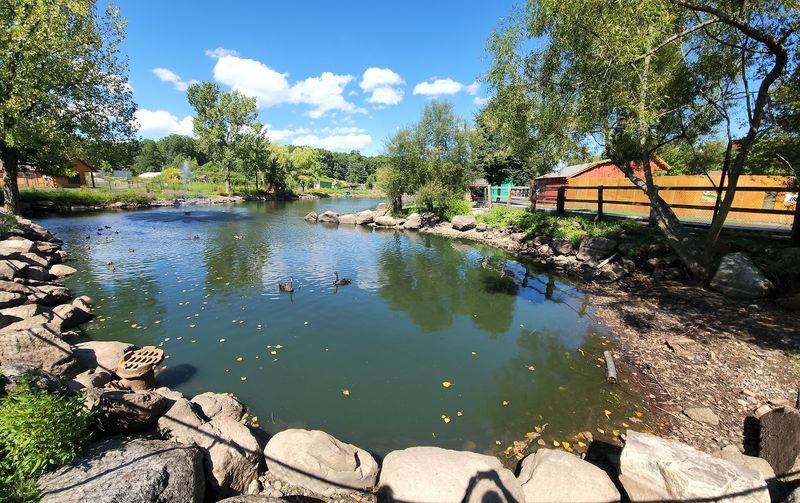
The first thing I noticed about Lupa Zoo was how unpretentious the whole setup feels. There are no towering entrance gates or elaborate theme-park-style signage.
The paths are practical. The buildings are modest.
Everything about the physical space says that the people who designed it were thinking about the animals and the visitors, not about appearances.
That open layout actually makes the experience better. You can move freely, double back to see a favorite animal again, and take your time without feeling herded through a scripted route.
Kids especially respond well to this kind of freedom. There is no pressure, no rush, just space to explore at your own pace.
The grounds still carry a faint agricultural quality that no renovation has managed to erase, and honestly, no one seems to have tried very hard to erase it. The old farm bones are still there underneath everything.
A few of the structures look like they have been repurposed rather than replaced, which adds a layer of authenticity that newer, more polished attractions simply cannot replicate. It is the kind of place that rewards slow looking.
The Animals Up Close: What You Can Actually Expect to See
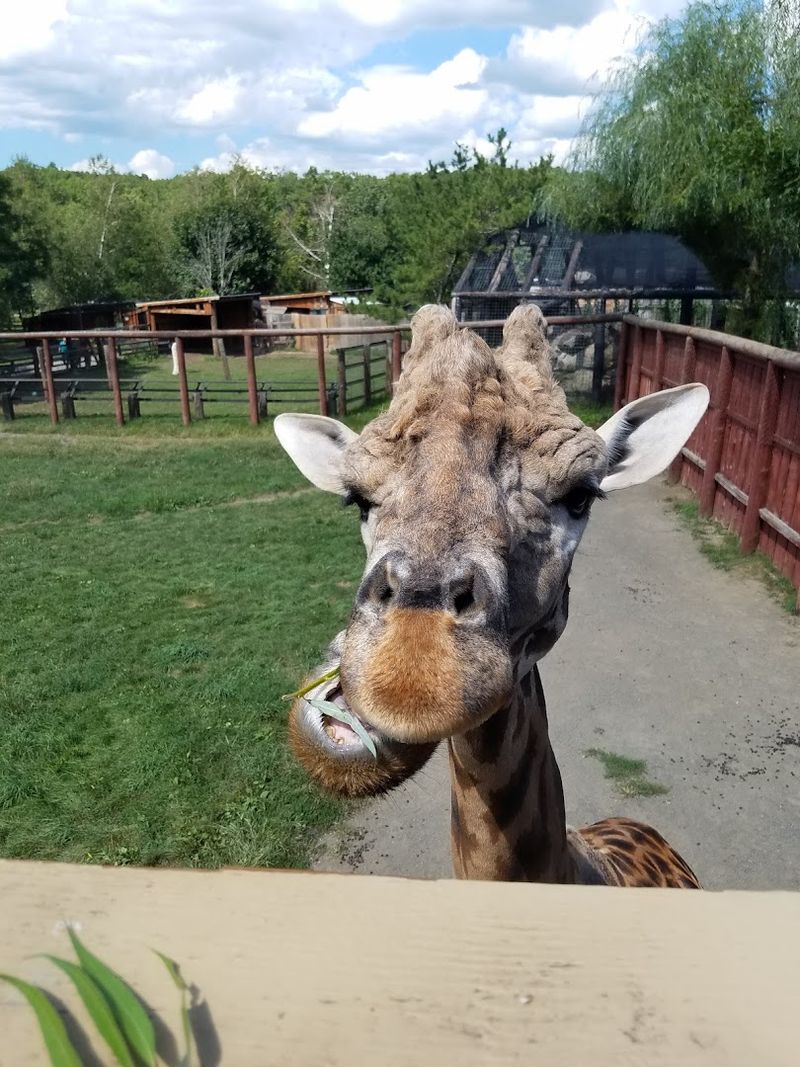
Lupa Zoo does not just display animals from a distance. Many of the experiences here put you genuinely close to the residents in a way that larger institutions rarely allow.
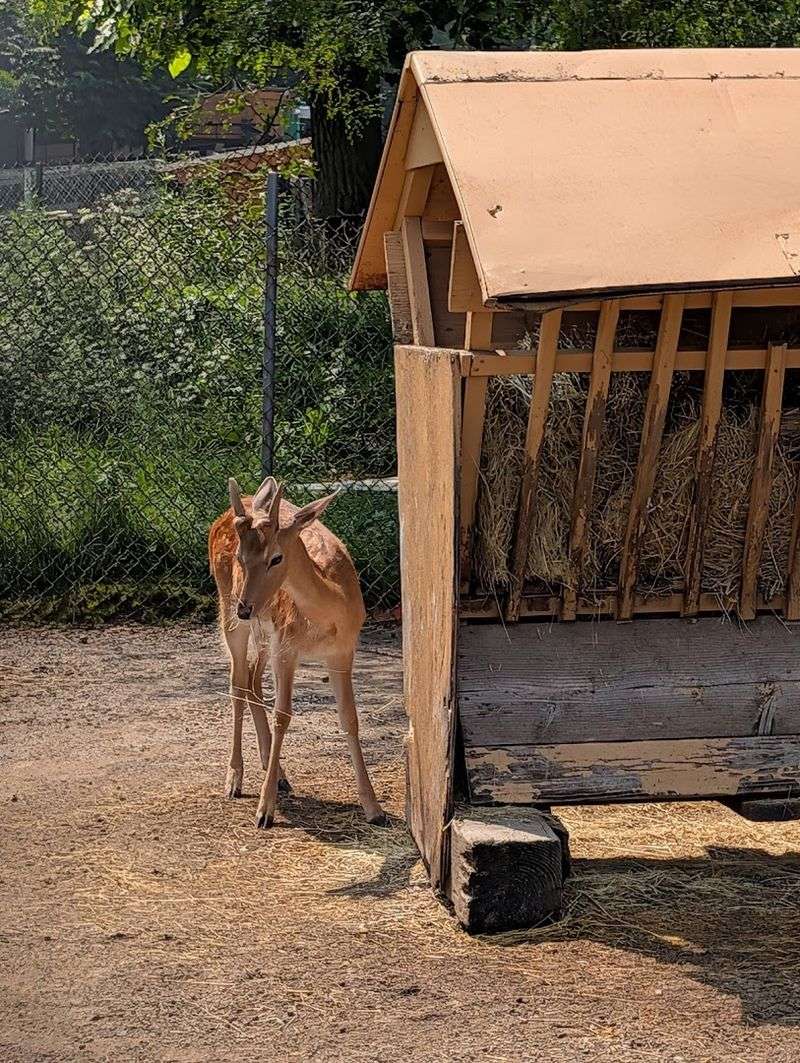
Deer approach the fence line with calm curiosity. Donkeys lean in for attention.
The proximity feels earned rather than manufactured.
The variety on offer is genuinely surprising for a zoo of this size. Exotic species share the grounds with more familiar domestic animals, creating a mix that keeps both kids and adults interested throughout the visit.
Reptile enthusiasts, bird watchers, and primate fans all find something worth stopping for.
What struck me most was how alert and engaged the animals seemed. That is often the best indicator of how well a smaller zoo is managed.
Animals that pace nervously or seem withdrawn tell a very different story than ones that interact naturally with their environment and with visitors. At Lupa Zoo, the energy felt right.
There was a calm here that suggested the animals were genuinely comfortable, which made the whole visit feel lighter and more joyful than expected.
Why Ludlow, Massachusetts Is the Perfect Home for This Zoo
Ludlow sits in Hampden County in western Massachusetts, not far from Springfield, tucked into a landscape of rolling hills and quiet roads. It is not a tourist town in the typical sense.
There are no cobblestone streets or famous landmarks pulling in crowds from across the state. That is exactly what makes it the right home for a zoo like this one.
The town has a grounded, community-first character that matches the spirit of Lupa Zoo perfectly. Families from the surrounding area have been coming here for generations.
It is the kind of attraction that locals feel proud of rather than indifferent to, which says a lot about how it has been maintained and operated over the years.
The surrounding landscape adds to the experience in a subtle way. Driving through Ludlow to get to the zoo already puts you in the right headspace.
The scenery is rural and unhurried. By the time you reach Nash Hill Road, you are already mentally somewhere quieter than your usual routine.
That transition, from busy daily life to this calm stretch of land, is part of what makes the visit feel like a genuine escape.
Visiting With Kids: What Makes Lupa Zoo a Local Favorite
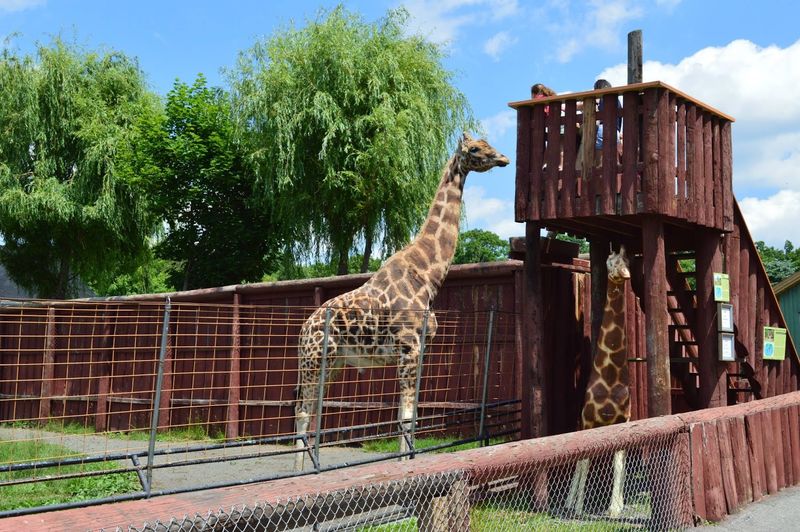
Families with young children have a lot of options in Massachusetts when it comes to weekend outings. Lupa Zoo keeps earning a spot on that list year after year, not because of marketing, but because kids genuinely love it here.
The scale is human-sized. Nothing is overwhelming.
Everything is close enough to feel real.
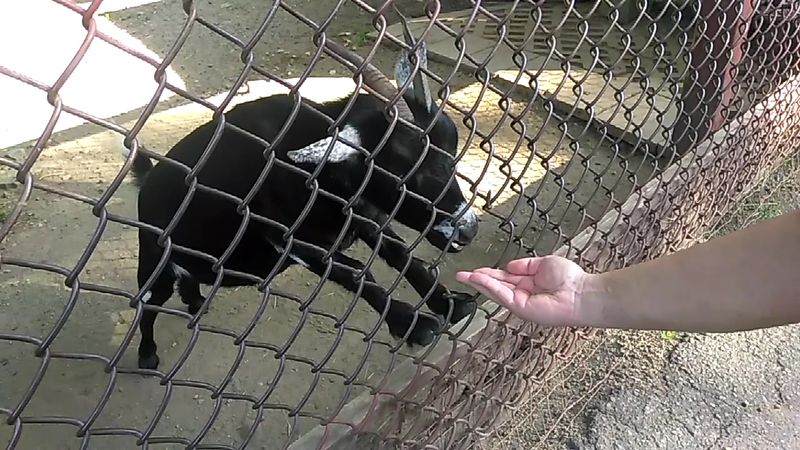
Younger children especially respond to the petting and feeding opportunities. There is something irreplaceable about a toddler’s face when an animal takes food from their hand for the first time.
Those moments happen here regularly, and they are not staged or scheduled. They just happen, naturally, because the animals and the setup allow for it.
Older kids tend to gravitate toward the more exotic species, the zebras, the primates, the reptiles. The zoo gives them enough to look at and think about without turning it into a classroom exercise.
It manages to be educational without ever feeling like homework. Parents appreciate that balance more than they might admit out loud.
A place that entertains children without exhausting adults is genuinely hard to find, and Lupa Zoo pulls it off consistently.
A Hidden Gem Worth the Drive: Final Thoughts on Lupa Zoo
Not every great destination needs a famous name or a national reputation. Lupa Zoo is proof that a place can matter deeply to the people who visit it without ever making a top-ten list in a travel magazine.
Its value is quieter than that, more personal, more lasting.
The farm-to-zoo story gives it a narrative that most attractions simply do not have. Knowing that this land was once tended by a family who arrived in this country with a dream, and that the dream eventually became something the whole community could enjoy, adds emotional weight to every visit.
It is not just a zoo. It is a living record of what dedication and love for animals can build over time.
If you find yourself in western Massachusetts and you have a few hours and a curiosity about what genuine local character looks like, take the drive out to Nash Hill Road. The place will not try to dazzle you.
It will just show you something real, and that, in the end, is far more valuable than spectacle. Address: 68 Nash Hill Rd, Ludlow, MA 01056.
