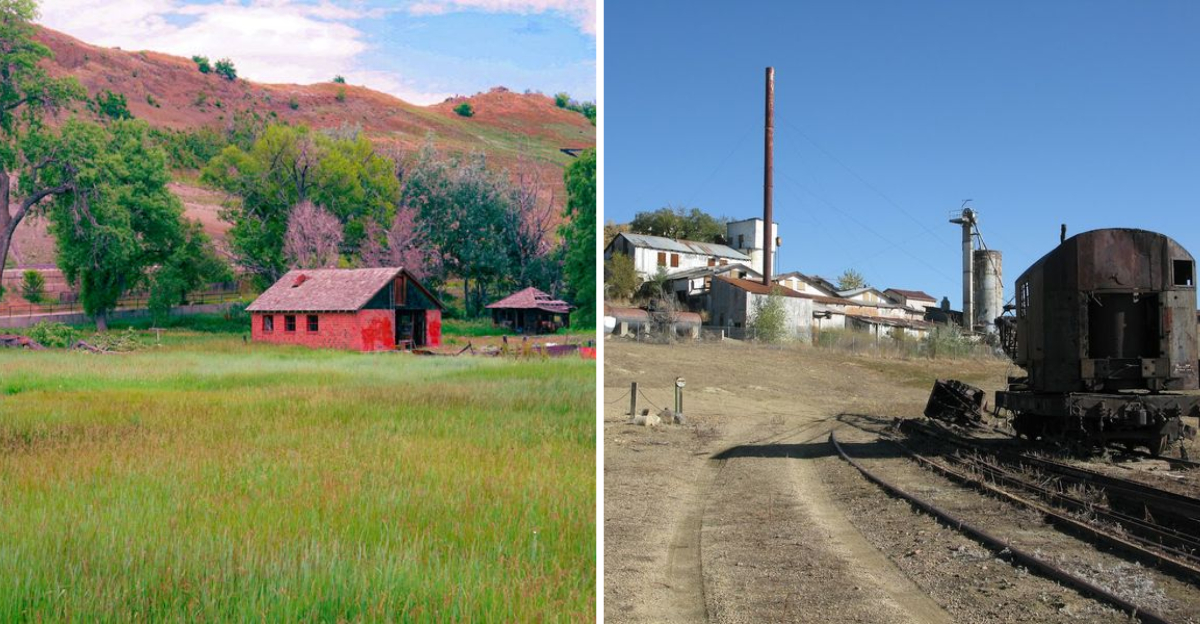
You would never guess what lies beneath that grassy field in Colorado. To the untrained eye, it looks like open land.
Peaceful even. But the Arapahoe know this ground as sacred.
A burial site that has been here for generations. And then there are the stories.
Visitors report cold spots on warm days. Strange sounds with no source.
The feeling of being watched when no one is around. I am not saying I believe in ghosts. But I stood at the edge of that field and felt something shift in my chest.
A heaviness. A respect.
Whether it is spirits or just history pressing down, this place carries weight. Approach it with care.
The Sacred Roots of Valmont Butte
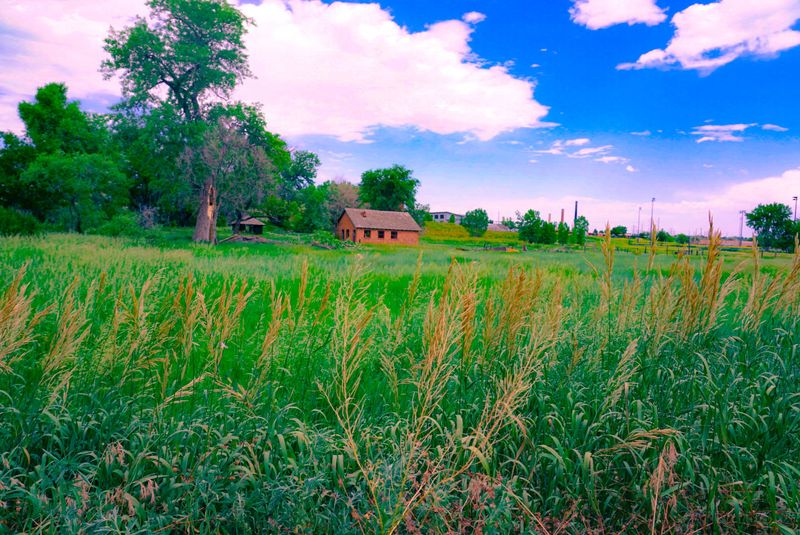
Long before Boulder had coffee shops and hiking trails, Valmont Butte was already a place of deep spiritual significance. The Arapaho and Ute people considered this rocky hill sacred, using it as a ceremonial site, a winter camp, and an ancestral burial ground for generations.
That kind of layered history does not just disappear when time moves on.
When American pioneers arrived in 1858, the Arapaho were still using the butte as a base for communal antelope hunts and seasonal camps. The land fed their communities, both physically and spiritually.
Knowing that makes the later history of the site feel even more jarring.
Archaeological findings at the butte have confirmed the presence of Native American burials and ceremonial activity. Robert Cross, a Lakota Sioux spiritual leader, actually conducted ceremonies at Valmont Butte as recently as 2007, showing that the site’s spiritual importance never fully faded.
For anyone interested in Indigenous history of the American West, this place is not just a landmark. It is a living reminder that the land carries stories we are still learning to listen to.
A Burial Ground Buried Under History
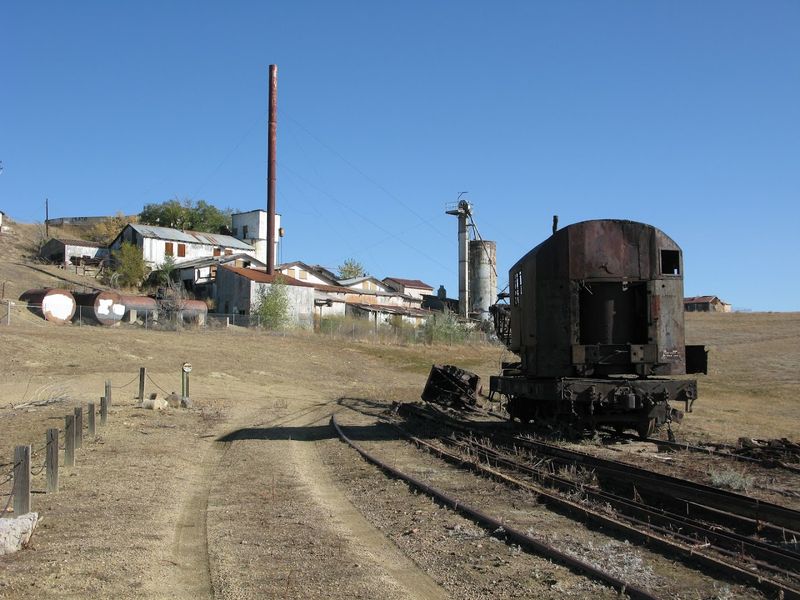
Most people driving through Boulder County have no idea they are passing by one of the most historically significant burial grounds in the state. Valmont Butte served as an ancestral resting place for the Arapaho people, and that fact alone gives the land a weight that is hard to shake.
You can feel it when you are there, even if you cannot quite explain why.
The butte sits in what feels like an overlooked corner of the landscape now, hemmed in by industrial remnants and modern development. But the bones of its past are still there, both literally and figuratively.
Archaeological surveys have confirmed burial activity, and the cultural significance of the site has been recognized by historians and tribal representatives alike.
What makes this especially sobering is how easily these sacred spaces get overlooked in everyday life. People pass by, build around, and sometimes over places like this without ever knowing what the ground holds.
Valmont Butte challenges us to slow down and reckon with the fact that the land beneath our feet has a story. That story deserves to be told honestly, without flinching from the harder parts.
Industrial Desecration and a Superfund Legacy
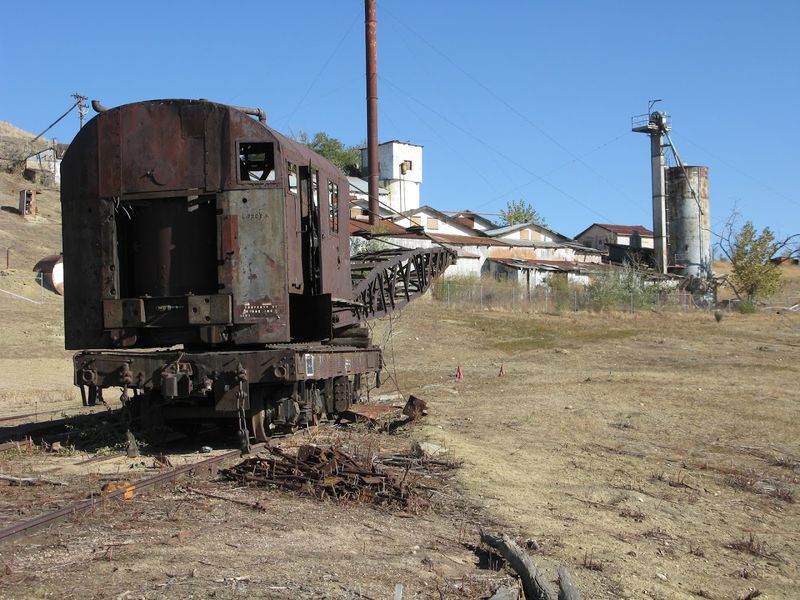
Here is where the story takes a darker turn. In the mid-1800s, mining and industrial operations began encroaching on the land around Valmont Butte, fundamentally altering a space that had been sacred for centuries.
The Arapaho were forced to abandon the site and relocate, pushed out by the relentless pressure of westward expansion and resource extraction.
The damage did not stop there. Decades of industrial activity left the land so contaminated that Valmont Butte is now officially listed as a Superfund site by the Environmental Protection Agency.
Radioactive waste from past operations has seeped into the soil, turning a once-sacred landscape into a zone that requires federal environmental cleanup.
The city of Boulder currently owns the land, and remediation efforts have been part of ongoing conversations about the site’s future. It is a strange and sobering combination: sacred ground, burial site, and toxic cleanup zone all occupying the same coordinates.
For many people, the desecration of this place is not just an environmental story. It is a moral one.
The contamination feels like a physical echo of the historical harm done to the Indigenous communities who once called this place home.
The Connection to the Sand Creek Tragedy
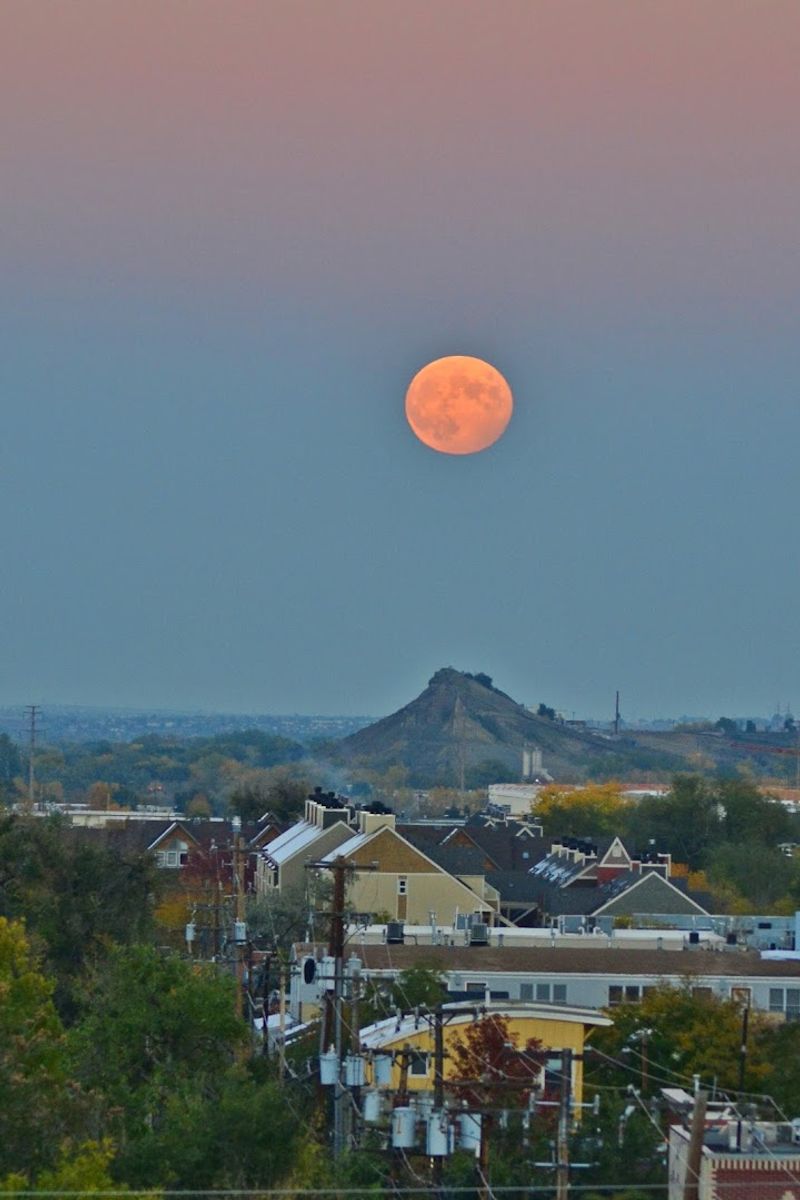
One of the most chilling pieces of Valmont Butte’s history is its connection to the Sand Creek Tragedy of 1864, one of the most devastating events in Colorado’s Indigenous history. The Colorado volunteer militia is believed to have mustered just north of the butte before carrying out the attack on a peaceful Cheyenne and Arapaho encampment.
That proximity is not a small detail.
Hundreds of Cheyenne and Arapaho people, many of them women, children, and elders, lost their lives in that attack. The fact that the soldiers gathered near this sacred Arapaho site before marching toward that violence adds a layer of historical horror that is difficult to process.
It transforms the butte from a quiet landmark into a place marked by profound grief.
Understanding this connection changes how you experience Valmont Butte. The land near Boulder is beautiful and wide open, but knowing what it witnessed makes the silence feel different.
Many people who have researched the haunting reports believe this history of trauma and violence is exactly what feeds the strange energy people claim to feel there. Whether or not you believe in hauntings, the emotional weight of that history is undeniably real.
Paranormal Reports and Strange Encounters
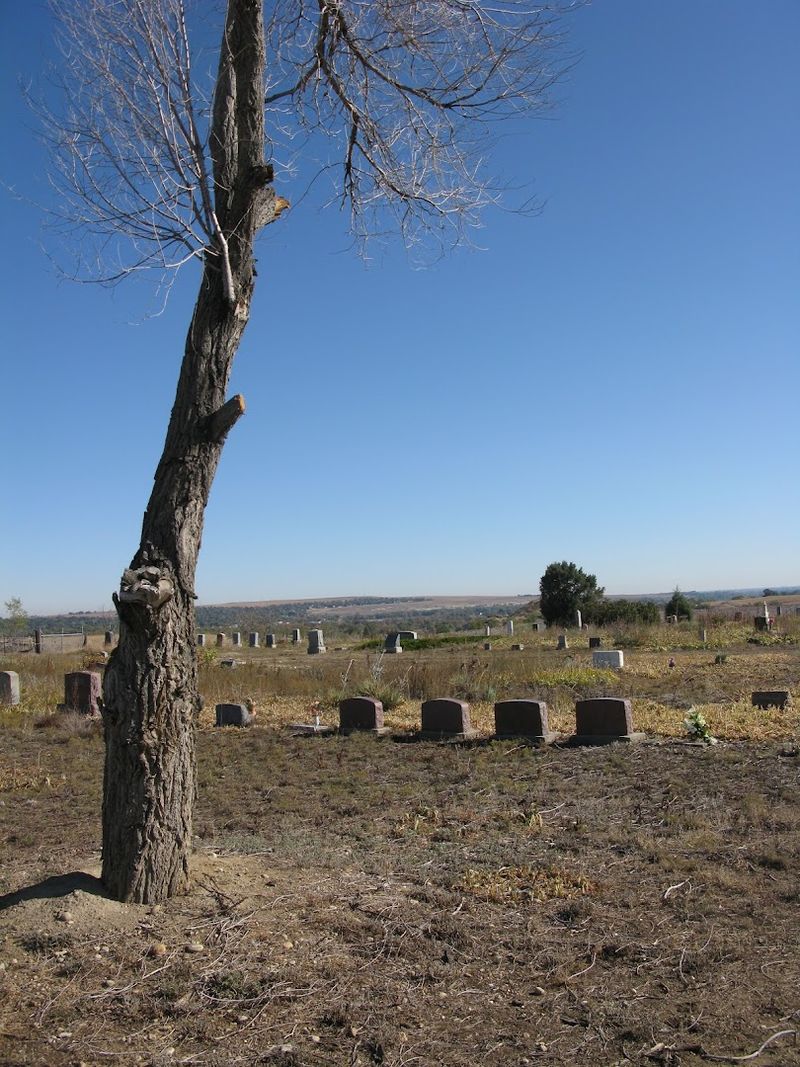
Paranormal investigators have not stayed away from Valmont Butte, and their accounts are genuinely unsettling. Teams that have visited the site report hearing voices with no clear source, seeing shadowy figures moving across the landscape, and observing floating lights that appear and disappear without explanation.
These are not isolated stories from one group; multiple accounts describe similar experiences.
The site has been described by those who study haunted locations as being shrouded in tragedy, haunted by many spirits. Given the layers of loss connected to this land, that characterization does not feel like an exaggeration.
It feels like a logical response to a place that has witnessed centuries of displacement, passings, and desecration.
What is interesting is that even skeptics who visit Valmont Butte often come away feeling unsettled. There is something about the energy of the place that is hard to dismiss as imagination.
The wind picks up unexpectedly. The quiet feels too complete.
Whether those sensations are paranormal or simply the psychological weight of knowing the history, the effect is the same. Valmont Butte gets under your skin in a way that most places simply do not, and that is worth paying attention to.
What It Feels Like to Visit Today
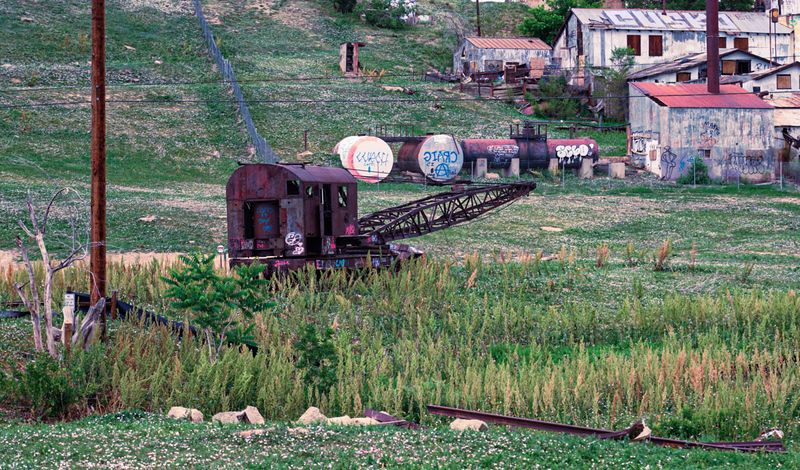
Visiting Valmont Butte today is a layered experience that is hard to prepare for. The landscape itself is striking in a quiet, understated way.
The butte rises above the surrounding plains with a kind of stubborn permanence, and the views toward the Flatirons and the broader Boulder Valley are genuinely beautiful. But the beauty is complicated by what you know about the place.
The site is not exactly a polished tourist destination. There are no interpretive signs walking you through the full story, no visitor center explaining the Arapaho history or the Superfund status.
That absence is noticeable. It makes the visit feel more raw, more honest, and in some ways more respectful than an over-curated experience might be.
I found myself moving slowly around the area, not quite wanting to leave but also not quite comfortable staying. That tension feels appropriate for a place like this.
It is not somewhere you should visit casually or loudly. The site asks something of you, a kind of quiet attention that most modern places do not require.
Coming here means accepting that some histories are not tidy, and some places hold more than we can fully understand. That is not a reason to avoid it.
That is exactly the reason to go.
Honoring the Land and Its History
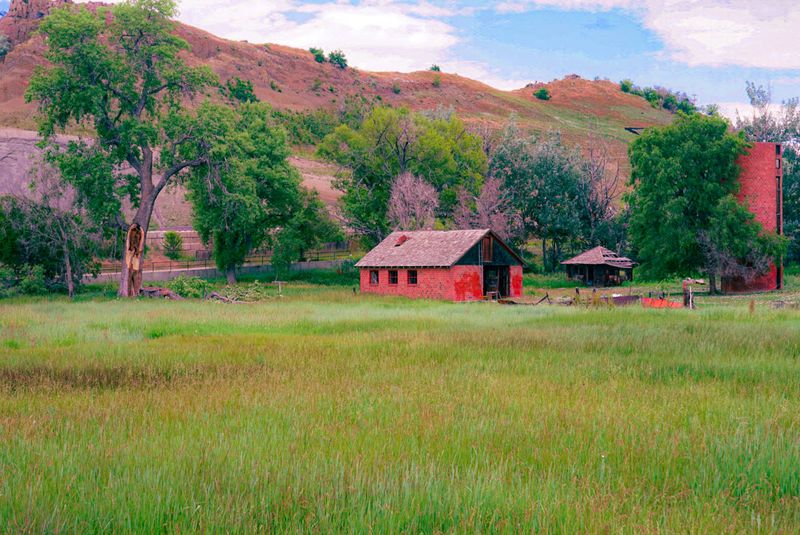
Knowing how to engage with a place like Valmont Butte responsibly matters a great deal. This is not a haunted house attraction or a thrill-seeking destination.
It is a burial ground, a sacred site, and a place of deep cultural significance to the Arapaho and Ute people. That context should shape how anyone approaches a visit.
The city of Boulder has ownership of the land, and ongoing conversations about its future include Indigenous voices and environmental remediation efforts. Supporting those conversations, staying informed about the cleanup process, and advocating for proper recognition of the site’s Indigenous history are all meaningful ways to engage beyond just showing up out of curiosity.
Visiting with respect means coming quietly, not disturbing the landscape, and taking time to actually absorb the history rather than just snapping photos. It means acknowledging that the voices people claim to hear at Valmont Butte might be less about the supernatural and more about the weight of unresolved history pressing against the present.
Places like this exist everywhere across America. Valmont Butte just happens to be one where the past refuses to stay quiet.
That is something worth honoring, not just once, but every time the story is told.
Address: Valmont Road, Boulder, Colorado
