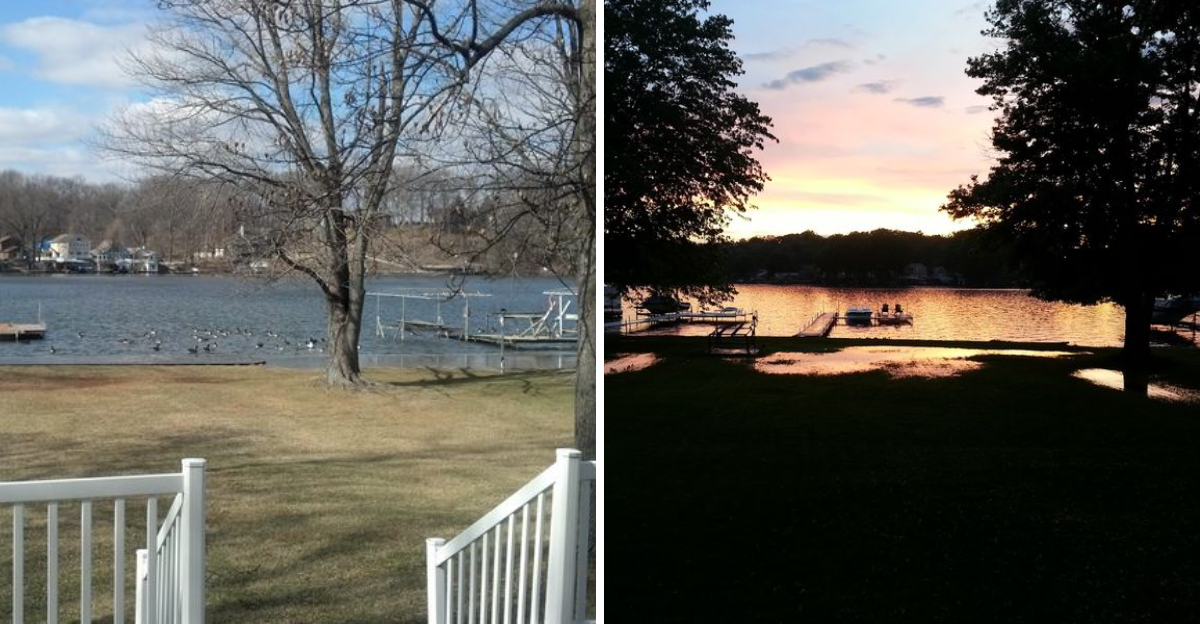
This lake in Monticello, Indiana has long been a beloved escape for families, anglers, and water lovers across the Midwest. But lately, something feels different.
Water levels have been dropping in ways that are hard to ignore, and the people who live and work around the area are paying close attention.
The situation is tied to a complex system of dams, infrastructure, and ecological concerns that affect both the local environment and the surrounding community.
Changes in water flow can impact wildlife habitats, including sensitive aquatic species, while also influencing recreation, boating access, and shoreline conditions.
For visitors, it still remains a striking and memorable body of water with long stretches of open scenery and peaceful views, but it is also a place where ongoing environmental and infrastructure challenges are shaping its future in real time.
The Endangered Mussel Mandate That Started It All
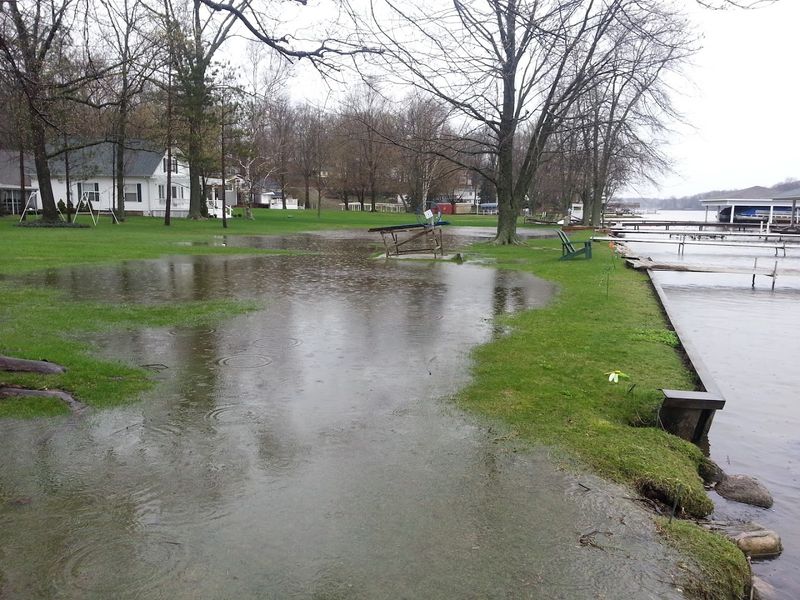
Not many people expect a tiny shellfish to change the fate of a beloved Indiana lake, but that is exactly what happened at Lake Freeman. Since 2012 and 2014, the U.S.
Fish and Wildlife Service has required Northern Indiana Public Service Company, known as NIPSCO, to release more water from the Oakdale Dam to protect endangered mussel species living downstream in the Tippecanoe River.
Those mandated releases meant water was leaving Lake Freeman faster than nature could refill it, especially during dry stretches. The lake sits at the heart of Monticello’s identity, drawing boaters, fishermen, and vacationing families every summer.
Watching its shoreline pull back was a gut punch for many locals who had grown up swimming and fishing in its waters.
Understanding this backstory makes a visit to Lake Freeman feel more meaningful. You are not just seeing a lake.
You are witnessing a real environmental tug of war between protecting one species and preserving an entire community’s way of life. The Tippecanoe River, which feeds the lake, runs through White County, Indiana, and carries a rich natural history worth exploring while you are in the area.
Drought Conditions Made Everything Worse
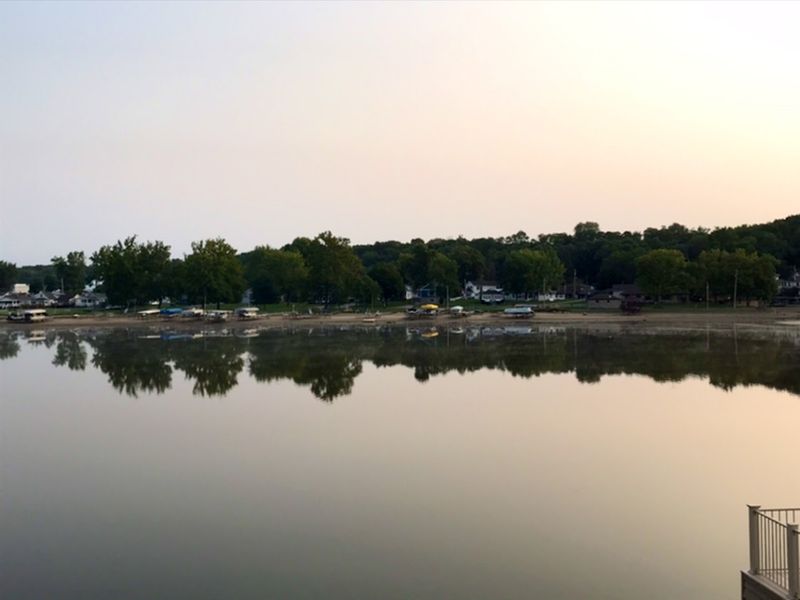
When drought hits an already stressed lake, the results are hard to watch. Lake Freeman faced exactly that challenge when periods of low rainfall combined with the mandated water releases from Oakdale Dam, creating a one-two punch that left shorelines looking unrecognizable.
Locals who had docked their boats in the same spots for decades suddenly found themselves looking at mudflats.
Drought conditions do not just lower water levels. They expose hazards that were never meant to be seen, like submerged logs, old dock pilings, and rocky patches that turn a relaxing afternoon cruise into a nerve-wracking obstacle course.
Boaters had to be extra cautious, and some simply stopped going out altogether, which hurt the local economy in ways that rippled far beyond the marinas.
Visiting Lake Freeman during or after a drought period gives you a new appreciation for how fragile a freshwater lake ecosystem really is. The landscape tells a story you cannot read in any brochure.
White County Parks and Recreation, located in the Monticello area of Indiana, has continued to provide access points and information for visitors wanting to experience the lake responsibly, even during challenging environmental periods.
Seeing the lake now, with improved flow conditions, feels like watching something slowly come back to life.
The Day a Stuck Flood Gate Dropped the Lake Four Inches in 45 Minutes
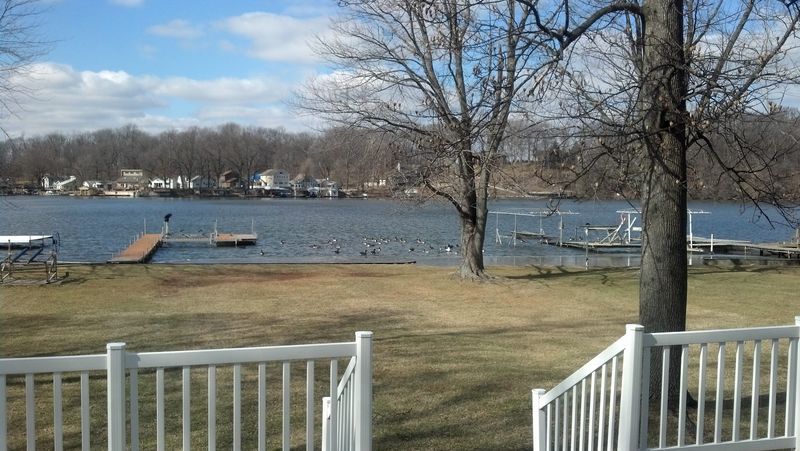
Few moments captured local frustration quite like the August 2020 incident when a flood gate at the Oakdale Dam got stuck open for 45 minutes. In less time than it takes to watch a movie, Lake Freeman dropped three to four inches.
That might not sound like much, but on a large, relatively shallow lake, even a few inches can ground boats, damage docks, and expose hazards across a huge surface area.
Word spread fast through the Monticello community. People watching from their docks could literally see the water retreating.
It was the kind of moment that turned background worry into front-page concern. The incident highlighted just how dependent the lake’s health is on the mechanical reliability of aging dam infrastructure managed by NIPSCO.
For visitors, the Oakdale Dam itself is an interesting landmark worth seeing. It sits on the Tippecanoe River and plays a central role in regulating both Lake Freeman and nearby Lake Shafer.
The Tippecanoe River flows through a genuinely scenic stretch of northern Indiana, and paddlers sometimes explore the river corridor near Monticello. If you want context for the lake’s story, standing near that dam and understanding what it controls makes the whole situation feel very real and very close.
How Local Businesses Fought to Stay Afloat
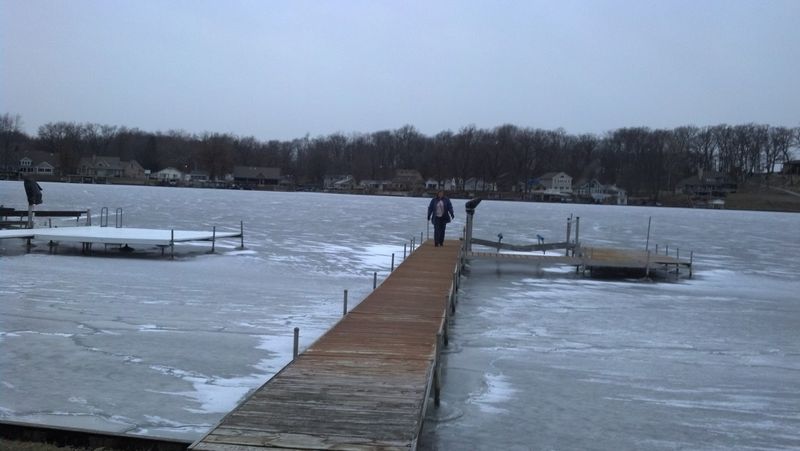
Marinas, fuel docks, and the beloved Madam Carroll tour boat all took a financial hit when Lake Freeman’s water levels dropped. Businesses that depend on boats being able to move freely through the water found themselves watching their busiest season slip away.
Some operations had to shut down temporarily, and others had to turn customers away, which is a painful thing for any small business owner to do.
The Madam Carroll cruise boat, which offers scenic tours of Lake Freeman, became a symbol of what locals were fighting to protect. When water levels are too low, those cruises simply cannot run safely.
For many visitors, a ride on the Madam Carroll is one of the most memorable parts of a trip to Monticello, making its operational status directly tied to the lake’s health.
Beyond the water, Monticello has a genuine small-town commercial strip with places to eat and restock before heading back out on the lake.
Faw’s Restaurant, located at 1405 N Sixth Street in Monticello, Indiana, is a local spot known for hearty Midwestern food and a relaxed atmosphere that feels authentically local.
Supporting these businesses when you visit is one of the most direct ways to contribute to a community that has worked hard to keep Lake Freeman alive and welcoming for everyone.
Property Owners Watching Their Investments Change
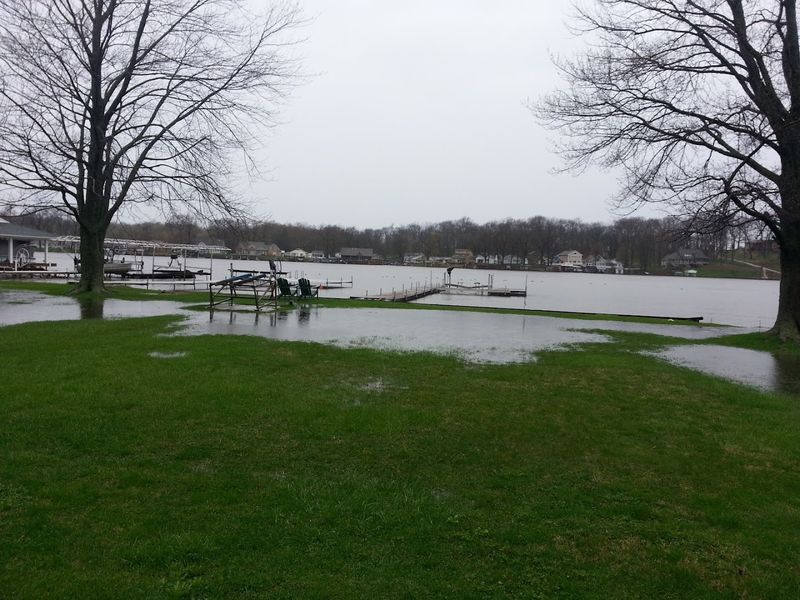
Owning a home on Lake Freeman has always been a point of pride for White County residents. The idea of waking up to calm water, keeping a boat in your backyard, and spending summer evenings on a dock is the dream that drives property values along the shoreline.
But when the lake started shrinking, that dream got complicated fast.
Homeowners reported cracked and damaged seawalls as the ground dried and shifted. Some residential wells, which draw from groundwater connected to the lake, started running dry.
Docks that once floated comfortably were suddenly sitting in mud, and boat lifts became useless. Watching your property investment change because of decisions made by a federal agency and a utility company is the kind of thing that turns quiet neighbors into vocal advocates.
The situation pushed many property owners to get involved with the Shafer and Freeman Lakes Environmental Conservation Corporation, known as SFLECC, a local nonprofit that challenged the water release mandates and pushed for fairer outcomes.
Their work, combined with political pressure from Indiana legislators, helped bring about the 2023 flow rate change approved by the Federal Energy Regulatory Commission.
Visiting the lake today means seeing a community that did not simply accept a bad situation but organized, pushed back, and found a path toward something more stable.
The Environmental Side Nobody Talks About Enough
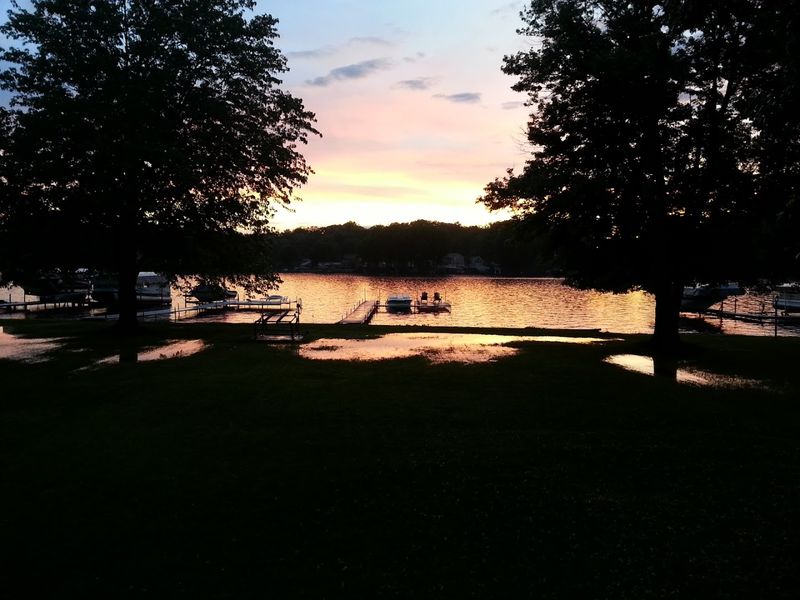
Most of the conversation around Lake Freeman’s shrinking has focused on boats, docks, and dollars. But the environmental damage happening beneath the surface deserves just as much attention.
Locals walking the shoreline during low water periods reported seeing dead turtles, fish, and mussels stranded in the receding water. The lake’s ecosystem was sending out distress signals that were hard to ignore.
There is a painful irony at the center of this story. The mandated water releases were designed to protect endangered mussels downstream in the Tippecanoe River, but the resulting low water conditions were killing wildlife within the lake itself.
It raised serious questions about whether the environmental calculations being used were actually protecting the broader ecosystem or simply shifting the damage from one place to another.
SFLECC has been vocal about these concerns, arguing that the hydrological models used to set flow rates were flawed and that the lake’s own biological health was being sacrificed without sufficient justification.
For nature lovers visiting Lake Freeman, there is genuine value in spending time observing the lake’s wildlife, from great blue herons wading along the banks to the bass and bluegill that make it a popular fishing destination.
Indiana’s Department of Natural Resources maintains access areas around the lake, and local fishing guides familiar with White County waters can offer real insight into how the ecosystem has been recovering.
The 2023 Resolution and What It Means for Visitors Today
After years of frustration, advocacy, and legal pressure, something significant happened in 2023. Senator Mike Braun announced that the Federal Energy Regulatory Commission had approved a permanent change to the flow rates at the Oakdale Dam.
NIPSCO would now be allowed to significantly reduce the amount of water released during low flow and drought conditions, giving Lake Freeman a much better chance of maintaining stable water levels going forward.
The change had actually been tested on a temporary basis starting in September 2022, and the results were promising enough to make it permanent in March 2023. For locals who had spent years watching their lake shrink and their community struggle, it felt like a real win.
Not a perfect solution, but a meaningful step toward something more predictable and fair.
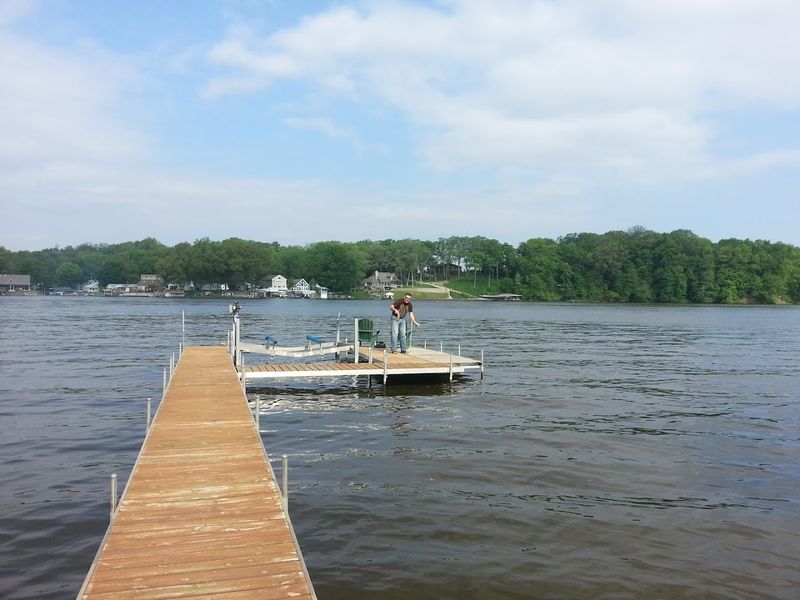
For visitors planning a trip to Lake Freeman today, the outlook is genuinely brighter than it has been in years. The lake stretches across a large, navigable surface with sandbars perfect for swimming, solid fishing opportunities, and access to the Madam Carroll cruises that locals rave about.
Anchor Inn Marina, located near the lake in Monticello, Indiana, is a good starting point for getting on the water. The Freeman Lake Park area offers public access and shoreline views that remind you why this lake has always been worth fighting for in the first place.
