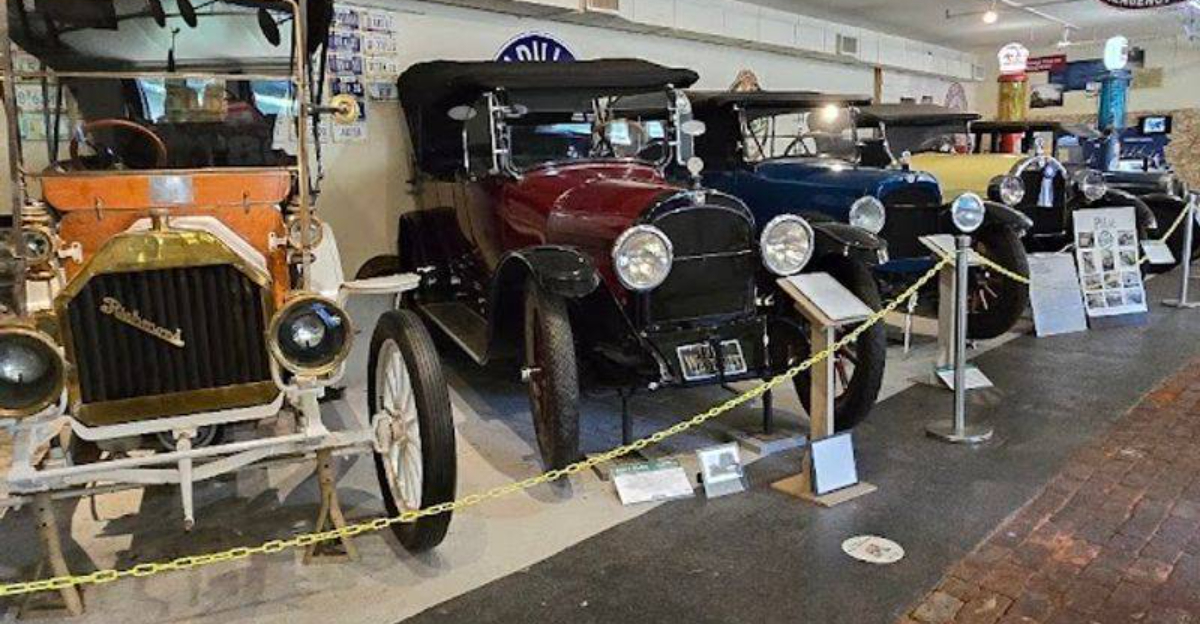
Richmond, Indiana holds a surprising secret that most travelers completely overlook. A local historical museum here is packed with rare automobiles, pioneer artifacts, and exhibits that connect visitors directly to a time most people only read about in textbooks.
Despite its modest size, it covers an impressive range of history, from early electric cars to steam-powered machinery, all displayed in a setting that feels preserved and authentic.
The collection blends transportation history with everyday life from different eras, giving visitors a deeper sense of how the region developed over time.
Each room offers something different, making it easy to spend far more time exploring than expected. If you enjoy vintage vehicles, regional history, or simply discovering overlooked cultural gems, this destination offers a thoughtful and memorable experience that stands out among small-town museums.
Explore Eight Cars From Five Richmond Local Manufacturers
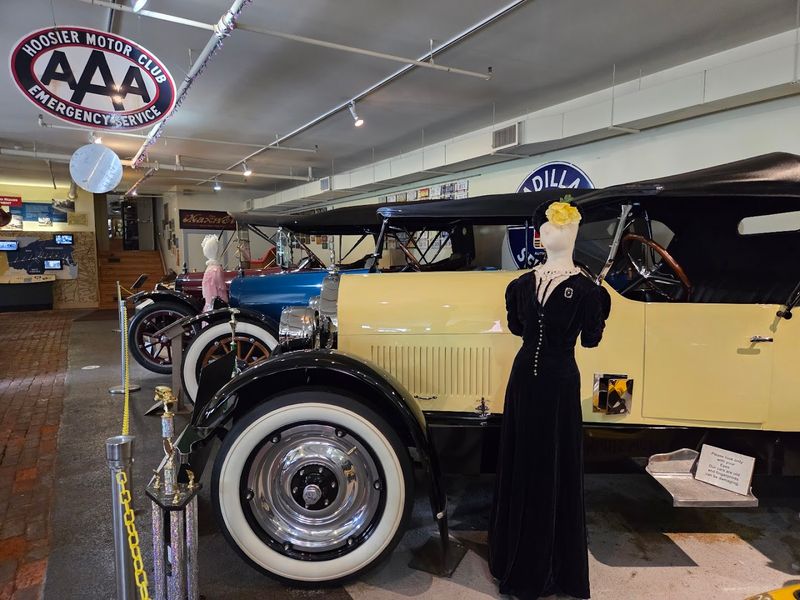
Richmond, Indiana once produced 14 different automobile models. That number alone is enough to make you stop and reconsider everything you thought you knew about early American car manufacturing.
The Wayne County Historical Museum proudly displays eight of those cars, representing five separate local manufacturers from that remarkable era.
Seeing eight distinct vehicles side by side, each from a different Richmond-based company, gives you a physical sense of how competitive and creative this small city once was. These were not copycat designs.
Each manufacturer had its own vision, its own engineering approach, and its own place in the local economy. The museum honors that diversity with care.
What makes this collection especially meaningful is its specificity. Rather than showcasing generic antique cars, the museum zeroes in on Richmond’s own story.
You get to see exactly what this community built, sold, and drove during one of the most inventive periods in American history.
Families with curious kids will find this section particularly engaging because the cars look so different from anything on the road today. The shapes, the controls, and the materials all spark genuine questions.
Check Out Rare Early Vehicles Like the 1920 Briggs and Stratton Flyer
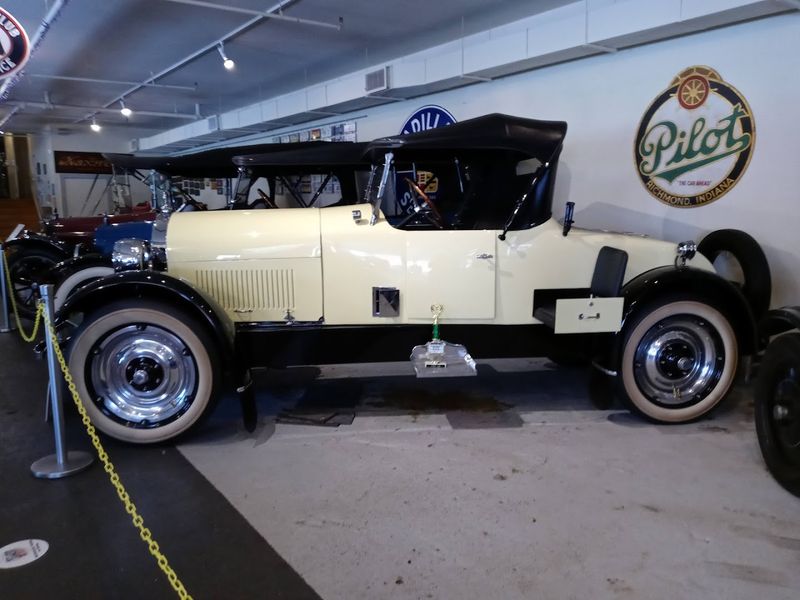
Some cars in this museum will make you do a genuine double take. The 1920 Briggs and Stratton Flyer is one of those vehicles.
It looks nothing like what most people picture when they imagine a car from that era, and that is exactly what makes it so fascinating to stand in front of.
Alongside the Flyer, the museum also displays a 1939 Crosley, another vehicle that pushed against the conventions of its time. Both cars represent the kind of experimental thinking that defined early automotive history.
Engineers and inventors were not following a rulebook yet. They were writing one, and sometimes the results were wonderfully strange.
Rare vehicles like these rarely survive in original condition. The fact that the Wayne County Historical Museum has preserved them and made them accessible to the public is genuinely significant.
You are not looking at replicas or reconstructions. These are the real things, sitting just a few feet away from you.
Visiting this museum gives you a front-row seat to automotive creativity that most history books skip entirely. The 1920 Briggs and Stratton Flyer alone is worth the modest admission price, which ranges from five to eight dollars per person.
Check out more details about the museum at wchmuseum.org before you go so you know what to expect when you arrive.
See Pioneer Electric Vehicles From the Early 1900s
Most people assume electric cars are a recent invention. The Wayne County Historical Museum corrects that assumption immediately.
Displayed among the automotive collection are early electric vehicles that prove battery-powered transportation was already a serious option over a century ago. The 1921 Detroit Electric Car Company model and the 1912 Baker Electric are two standout examples.
These vehicles are remarkable not just because they are old, but because of what they represent. At the turn of the last century, electric cars competed directly with gasoline-powered ones.
For a period, electric models were actually preferred by many drivers because they were quieter and easier to start. Seeing these cars in person reframes the entire conversation about modern electric vehicles.
The Baker Electric in particular has an elegance to it that feels ahead of its time. The design is refined, the interior thoughtful, and the engineering surprisingly sophisticated for 1912.
Standing next to it, you get a clear sense that early automakers were genuinely trying to solve transportation problems in smart, forward-thinking ways.
Younger visitors especially tend to light up when they learn these cars ran on electricity long before smartphones existed. It is a perfect conversation starter about innovation, history, and the choices societies make about technology.
The museum in Indiana makes these connections feel natural and accessible for visitors of all ages and backgrounds.
See Local Automotive History Up Close
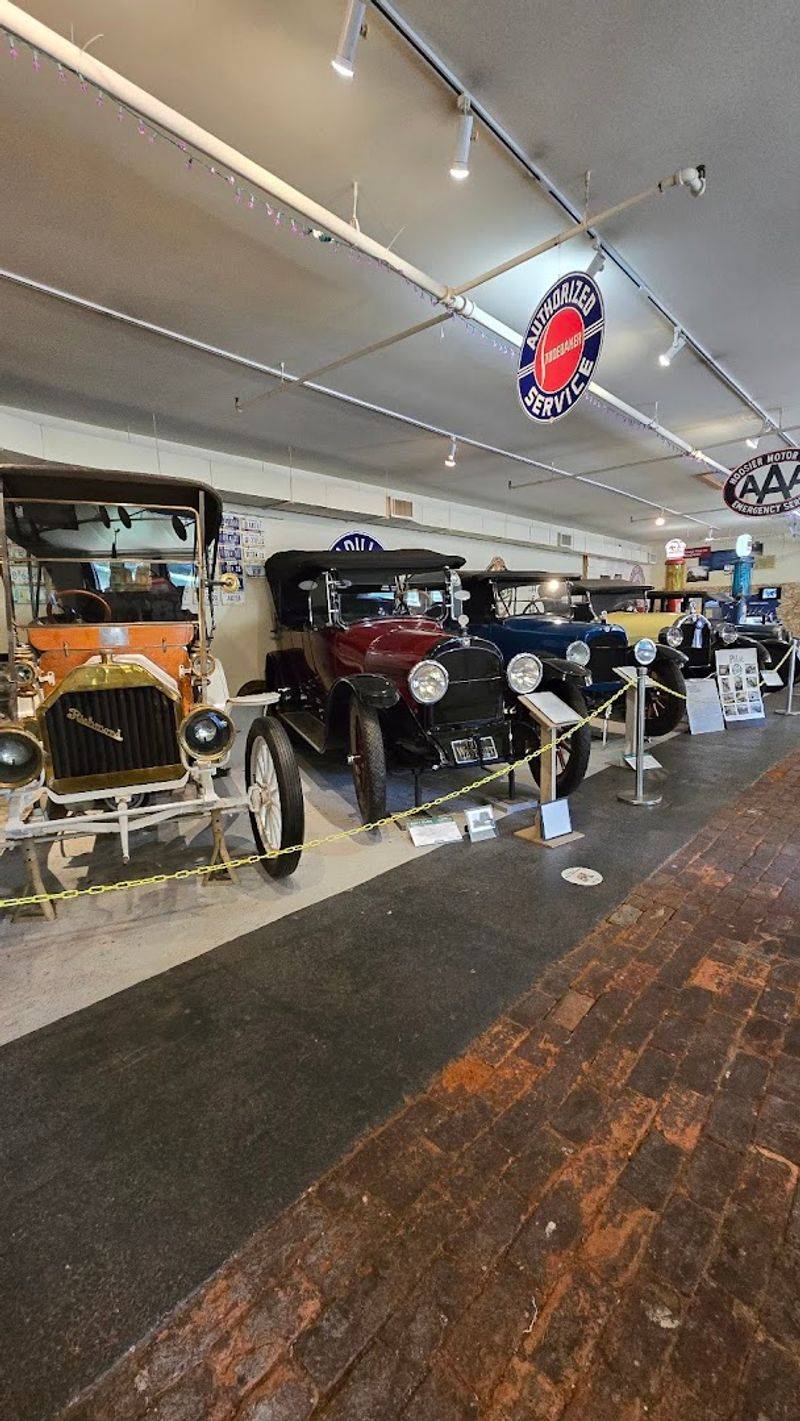
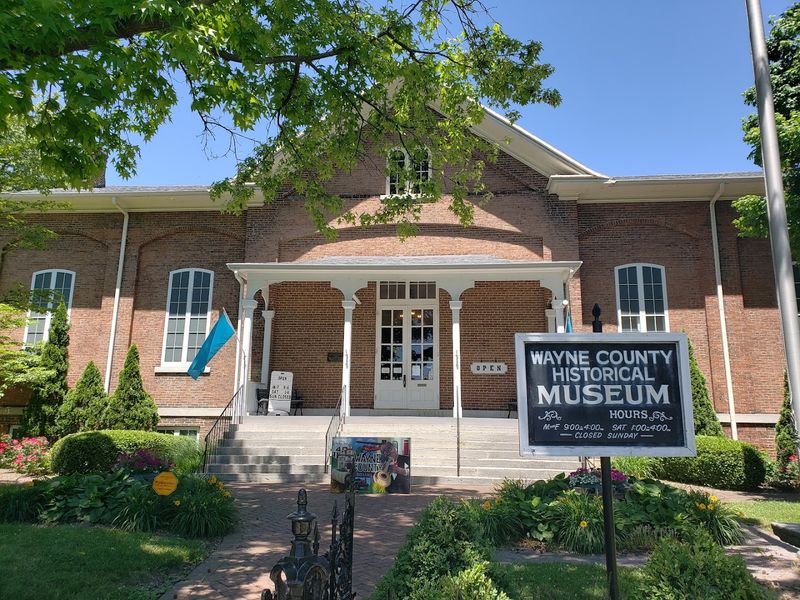
Not every museum can say its car collection was actually built nearby. At the Wayne County Historical Museum, located at 1150 N A St, Richmond, IN 47374, the vehicle exhibits focus specifically on automobiles that were manufactured right here in Indiana.
That local connection makes every car feel personal rather than just decorative.
Richmond was once a surprisingly active hub for early automobile production. The museum celebrates that legacy by displaying cars that represent real Indiana craftsmanship from the early 1900s.
Many of these makes are completely unknown to modern visitors, which makes the discovery feel all the more exciting.
Walking past these vehicles, you quickly realize how much automotive history happened far beyond Detroit. Indiana had its own builders, its own engineers, and its own contributions to American transportation.
The museum presents all of this in a way that feels grounded and honest rather than overhyped.
You do not need to be a car enthusiast to appreciate what is on display. The stories behind each vehicle, the people who built them, and the towns that supported them create a narrative that anyone can connect with.
Plan a visit on a weekday between 9:30 AM and 4 PM to give yourself enough time to absorb everything properly.
Get to Know the 1907 Richmond Merry Widow Runabout
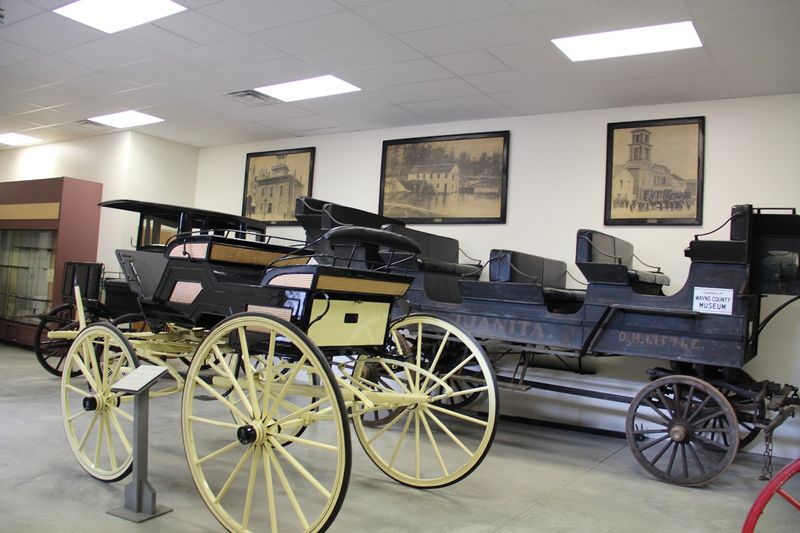
Among all the vehicles at the Wayne County Historical Museum, the 1907 Richmond Merry Widow runabout holds a special place. Manufactured by the local Wayne Works right here in Richmond, this car has survived in its original condition, which is extraordinary for a vehicle of its age.
The only thing missing is the tires, and even that detail feels authentic rather than incomplete.
What truly sets this car apart is the 1911 North Dakota license plate still attached to it. That plate tells a quiet but powerful story.
Someone drove this car far from home, across state lines, carrying Richmond’s name along for the ride. The plate is a physical record of a real journey, and it adds a layer of humanity to an already remarkable object.
Wayne Works was a genuine Richmond institution, and seeing one of its surviving vehicles up close connects you to the pride and ambition of the people who built it. This was not a factory far away.
This was a neighbor’s workshop, a local employer, a community effort that produced something lasting.
Cars like the Merry Widow are the reason history museums matter. They hold onto the things that would otherwise disappear entirely.
Visiting the Wayne County Historical Museum means getting to share the same space as this piece of Indiana history, which is an experience worth making time for on any trip through the region.
Broader Industrial and Transportation Heritage on Display
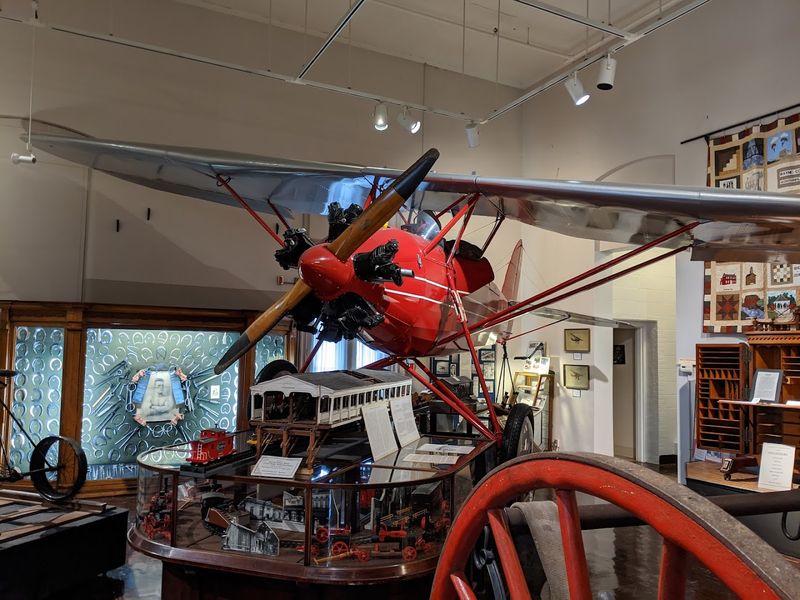
The automotive collection is impressive on its own, but the Wayne County Historical Museum does not stop there. A 1929 Davis airplane is part of the exhibits, sitting alongside steam-powered machinery that once drove local industry.
Together, these pieces paint a much wider picture of what transportation and manufacturing looked like during one of history’s most inventive periods.
Seeing a 1929 airplane next to early automobiles and steam equipment in the same space is genuinely striking. It reminds you that aviation, automotive travel, and industrial power were all developing at the same time, often in the same communities.
Richmond was part of that broader story, and the museum makes that connection clearly visible.
Steam-powered machinery has its own kind of magnetism. The scale, the craftsmanship, and the raw mechanical logic of it all are fascinating to observe.
For visitors who grew up in the digital age, seeing how physical force and pressure were harnessed to power entire factories is a memorable experience that no screen can replicate.
The museum does a good job of contextualizing these industrial exhibits so they do not feel random or disconnected. Each piece is part of a larger story about how communities like Richmond adapted, innovated, and contributed to American progress.
You leave with a deeper appreciation for the industrial era that shaped so much of everyday modern life. It is genuinely eye-opening.
Historic 1821 Hicksite Friends Meetinghouse Campus
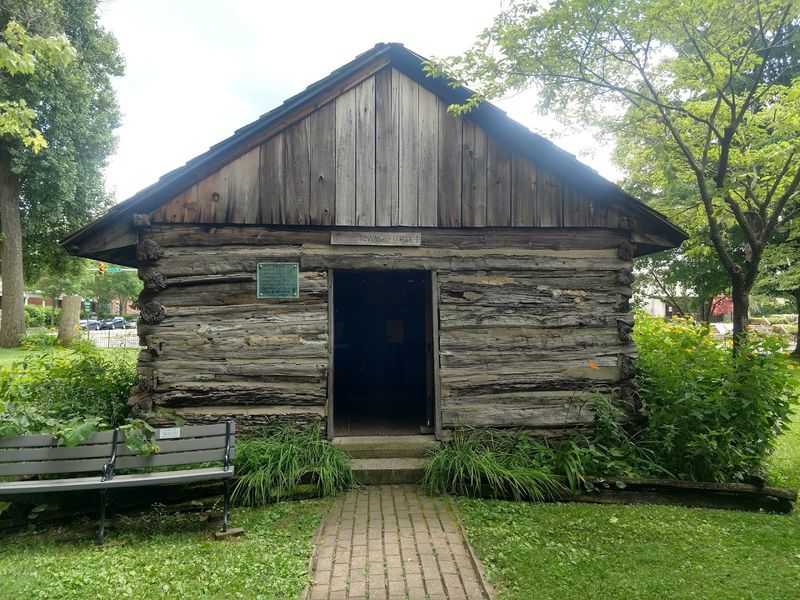
You could spend an entire afternoon just exploring the grounds of the Wayne County Historical Museum without ever stepping inside the main building. The campus includes eight historical structures, among them log cabins and a blacksmith shop that have been carefully preserved.
Each building adds a different layer to the story of early life in Wayne County.
At the heart of it all stands the 1821 Hicksite Friends Meetinghouse, the oldest structure on the campus and the anchor of the entire museum complex. It is listed on the National Register of Historic Places, which means it has been recognized at a national level for its historical significance.
Walking through a building that old, knowing it has stood through two centuries of American history, creates a feeling that is hard to describe but easy to remember.
The blacksmith shop alone draws plenty of attention from visitors who have never seen traditional ironworking tools up close. The log cabins give you a visceral sense of how early settlers actually lived, without any modern comfort or convenience.
These are not reconstructions built for tourists. They are the original structures, maintained with genuine respect.
Admission to the full campus ranges from five to eight dollars per person, making it one of the most affordable immersive history experiences in Indiana.
