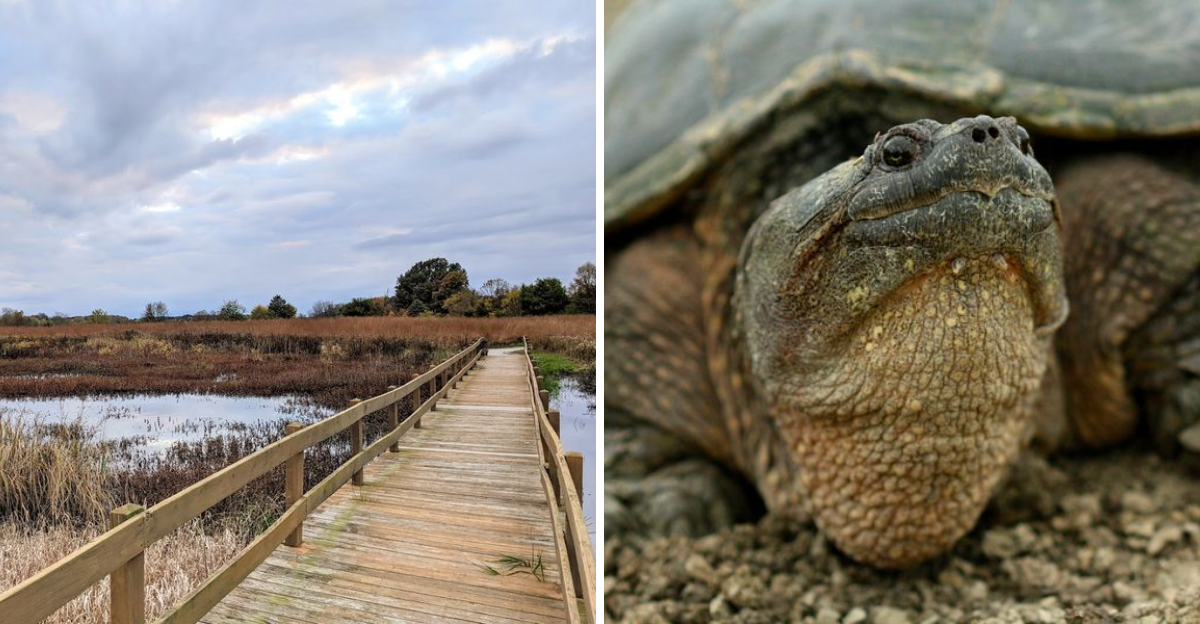
Most people drive right past Jay County, Indiana without realizing one of the state’s most remarkable natural areas is tucked just off a quiet country road near Bryant, Indiana. This preserve sits on land that was once part of the historic Limberlost Swamp and now spans hundreds of acres of marsh, forest, and prairie.
What makes it special is the feeling of space and stillness. Boardwalks and trails wind through wetlands filled with birds, native plants, and seasonal wildlife, offering close-up views of ecosystems that feel untouched compared to more developed outdoor areas.
It is the kind of place where slowing down is not just encouraged, it feels natural. Whether you are into birdwatching, easy hikes, or simply stepping away from noise for a while, it offers a calm, immersive experience in Indiana that leaves a lasting impression long after you leave.
Birdwatching Here Is Truly Next Level
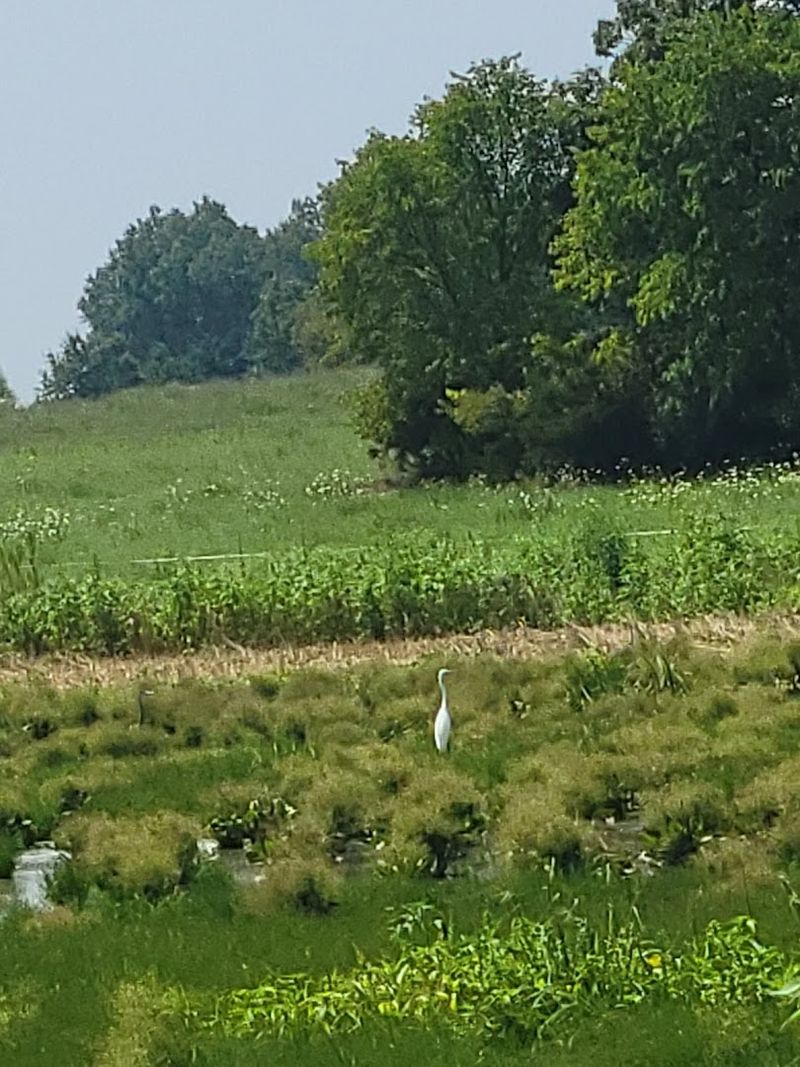
Birders who visit Loblolly Marsh for the first time often leave with a list longer than they expected. The preserve has earned a reputation as a four-season birding destination, and that is not an exaggeration.
Great blue herons, green herons, American bitterns, wood ducks, and king rails have all been spotted here regularly.
During fall migration, the marsh becomes a critical stopover point for birds moving through the Midwest. Shorebirds appear when water levels drop, picking along the exposed mudflats.
Sandhill cranes and even bald eagles have been recorded at the preserve, which makes every visit feel like a potential surprise.
The quietness of the area works in your favor. Because Loblolly does not see heavy crowds, birds are less disturbed and tend to stay visible longer.
Bring binoculars and a field guide, and plan to move slowly. The best sightings come to those who pause and listen rather than rush through the trail.
One visitor noted they could not believe the level of bird activity during what seemed like an ordinary afternoon walk. Red-winged blackbirds, meadowlarks, jays, and wrens are common sights, but the real thrill is never knowing what rarer species might show up.
For anyone serious about birding in Indiana, this preserve belongs near the top of the list.
Over Three Miles of Easy, Well-Kept Trails
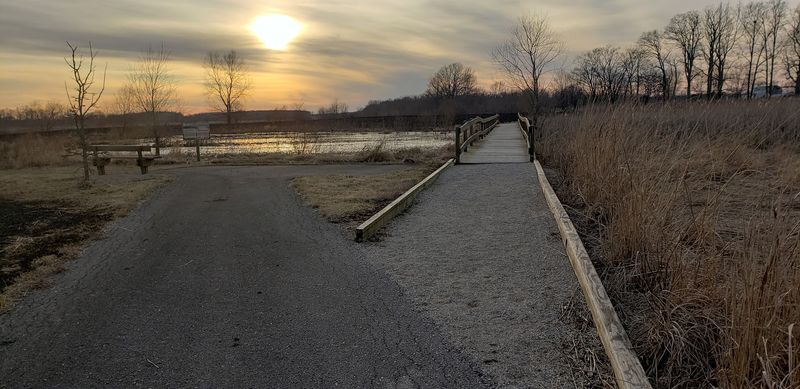
Some preserves sound appealing until you realize the trails are overgrown, poorly marked, or just plain hard to navigate. Loblolly Marsh is the opposite of that.
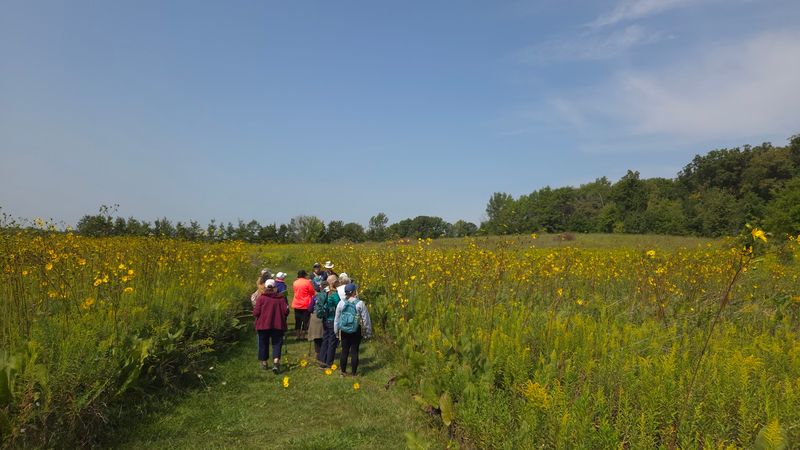
The trail system covers over three miles and moves through prairie, upland forest, bottomland hardwood forest, and open marsh areas, giving hikers a genuinely varied experience.
Paths are a mix of mowed grass, pea gravel, and asphalt, and all of them are described by visitors as clean and well-maintained. Benches are placed along the routes for rest and observation, which makes the preserve welcoming to people of all fitness levels.
The trails are also wide and flat, so navigation is straightforward even for first-time visitors.
Trail maps are available at the parking area, and informational signs are posted throughout to explain the history and ecology of each section. One visitor described the signage as clearly presented and genuinely helpful for understanding the marsh.
That kind of thoughtful detail makes the walk feel purposeful rather than just recreational.
The preserve is split by a country road, with trails on both sides offering different terrain and habitat types. The east side tends to be more natural and less developed, while the west side includes the paved accessible trail.
Arriving around opening time at 6 AM on a weekday almost guarantees you will have the trails entirely to yourself, which is a rare and peaceful experience.
Frogs, Turtles, and Wildlife Around Every Bend
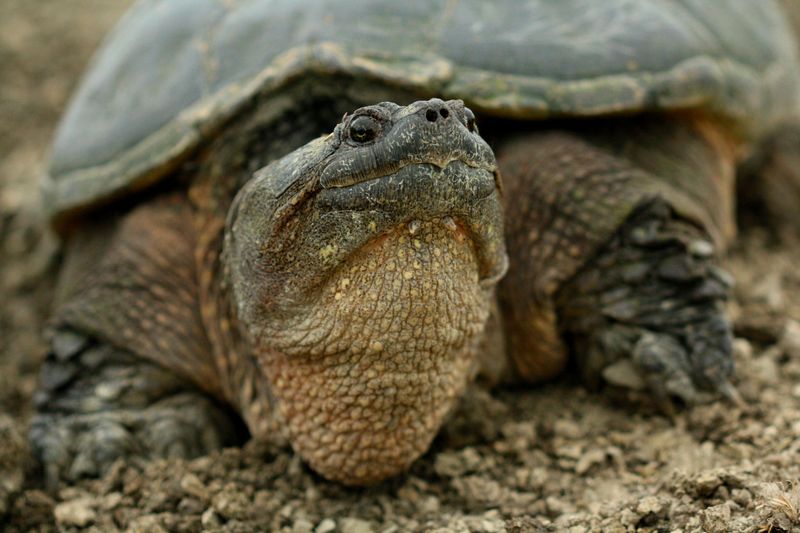
There is something quietly thrilling about rounding a trail bend and spotting a turtle sunning itself on a mossy log. At Loblolly Marsh, that kind of moment happens more often than you might expect.
The preserve supports a wide range of amphibians and reptiles, and spring is especially alive with activity.
Small potholes scattered throughout the wetland become mating grounds for frogs each spring. Northern leopard frogs are among the species that fill the sedge meadows with sound during warmer months.
The chorus on a mild spring evening is something that sticks with you.
Beyond frogs and turtles, the preserve is home to deer, beavers, and a variety of insects including butterflies and dragonflies that hover over the marsh surface. One reviewer mentioned spotting a creature they could not immediately identify, which is part of the charm of a place this ecologically rich.
Every visit offers the possibility of seeing something new.
Wildlife viewing here rewards patience and curiosity. Moving quietly along the grass and gravel paths gives animals time to stay put rather than retreat.
Families with kids will find that the preserve naturally encourages the kind of slow, attentive exploration that turns into real learning. Pack a nature journal or a phone with a good camera app because you will want to document what you find.
A Living Connection to Gene Stratton-Porter and the Limberlost
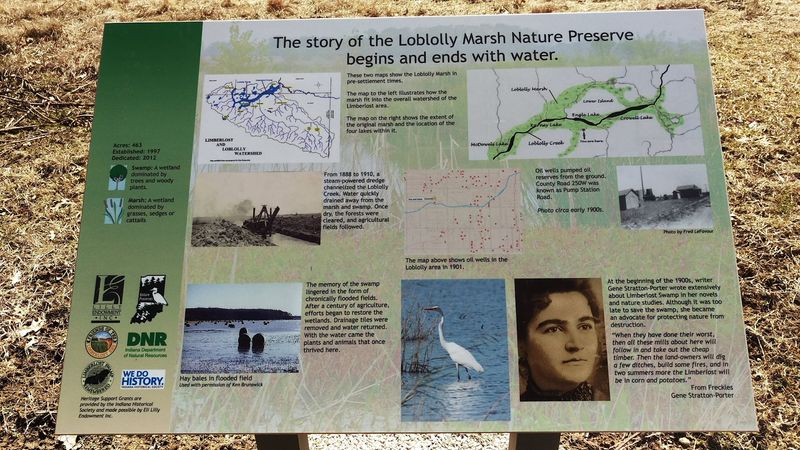
Few nature preserves in Indiana carry as much literary and historical weight as Loblolly Marsh. This land sits at the core of what was once the great Limberlost Swamp, a vast wetland ecosystem that inspired naturalist and author Gene Stratton-Porter to write some of her most celebrated novels and nature studies in the early 1900s.
Stratton-Porter documented the birds, moths, wildflowers, and wetland life of the Limberlost in extraordinary detail. Her work brought national attention to Indiana’s natural heritage and helped spark early conservation awareness across the country.
Walking through Loblolly Marsh feels like stepping into the landscape she described in her writing.
Trail signs throughout the preserve reference this history and help visitors connect what they are seeing today with what Stratton-Porter observed over a century ago. That layered sense of time and place adds real depth to the experience.
You are not just hiking, you are walking through a story that helped shape American nature writing.
The Limberlost connection also gives the preserve a kind of quiet prestige. Loblolly Marsh was dedicated as Indiana’s 250th nature preserve in 1997, and its ties to one of the state’s most beloved naturalists make it a meaningful destination for anyone interested in Indiana history, literature, or ecology.
It is the kind of place that feels important the longer you spend time in it.
Veronica’s Trail Makes It Welcoming for Everyone
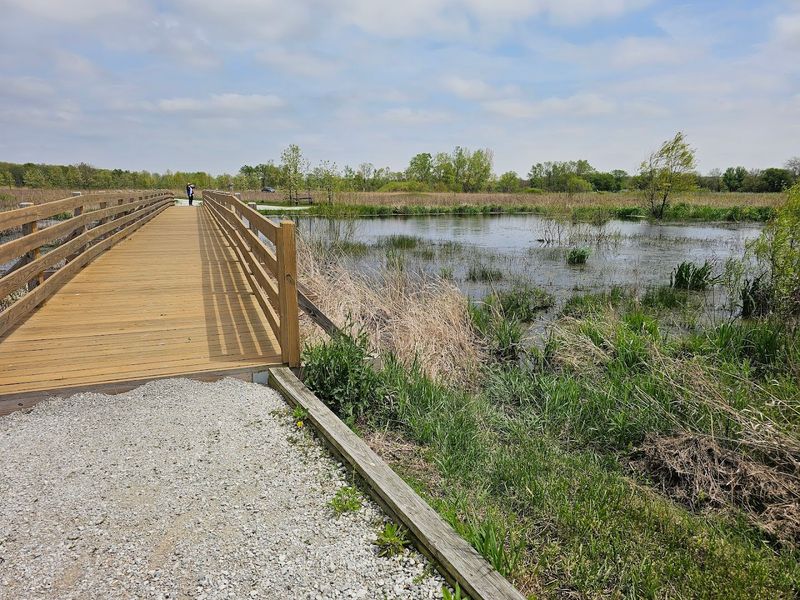
Access matters, and Loblolly Marsh takes it seriously. The preserve features Veronica’s Trail, an ADA-compliant path that begins with a paved segment and transitions to crushed limestone with a firm, stable surface.
The grades are gentle throughout, making it navigable for wheelchairs, strollers, and visitors who need a more accessible route.
The trail covers roughly a quarter mile one way, or about two-thirds of a mile as a round trip. That might sound short, but the habitat along this section is rich enough to reward a slow, attentive walk.
The marsh views are excellent, and the open sky above the wetland gives the trail a spacious, unhurried feel.
Having an accessible trail option means families with young children, older adults, and visitors with mobility challenges can all enjoy the preserve without limitation. That kind of thoughtful design reflects the preserve’s commitment to being a place for everyone, not just experienced hikers or outdoor enthusiasts with specialized gear.
Parking is available near the trailhead, and the layout makes it easy to get oriented quickly. The west side of the country road, where Veronica’s Trail is located, also connects to the broader trail network for visitors who want to extend their walk after completing the accessible section.
It is a well-considered setup that makes a first visit feel welcoming rather than intimidating, especially for those who are new to nature preserves.
Walk Right Through a Real Wetland Ecosystem
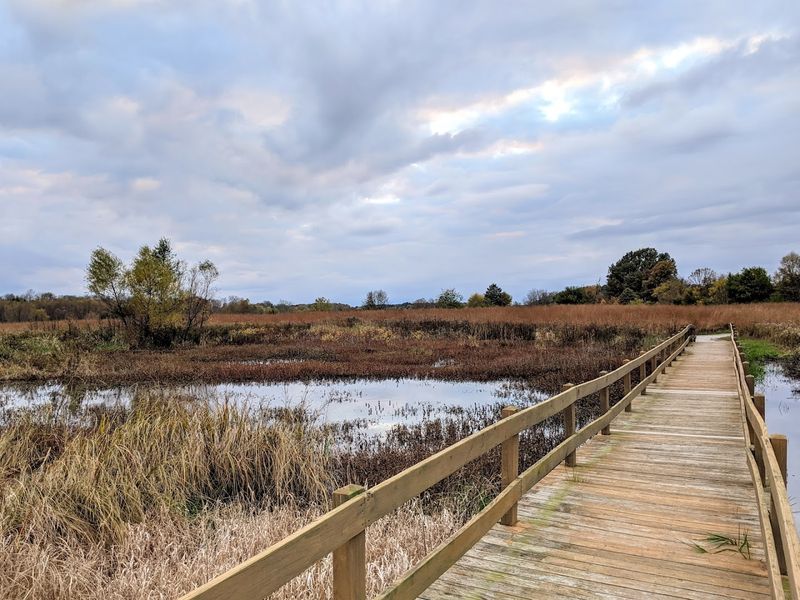
Not every nature trail puts you right in the middle of a working wetland, but Loblolly Marsh does exactly that. The preserve includes emergent bur reed and cattail marshes, shallow potholes, and wet meadows that give visitors a real sense of what a functioning swamp ecosystem looks and feels like.
You are not looking at nature through a fence here.
The trails wind through different wetland zones, and each one has its own character. In wetter seasons, you can hear the soft movement of water and the rustle of reeds.
The air smells earthy and alive in a way that is hard to describe until you have experienced it yourself.
Trails are marked with informational signs that explain the ecology of each habitat as you walk through it. This makes the experience educational without feeling like a classroom.
Kids especially tend to love spotting the differences between a cattail marsh and a wet meadow up close.
The preserve is open daily from 6 AM to 8 PM, so early morning visits reward you with the most active wildlife hours. Wearing waterproof shoes during wet seasons is a smart call.
The experience of standing at the edge of a marshy pothole while frogs call around you is genuinely memorable and unlike most other trails in Indiana.
A Wetland Restoration Story Worth Witnessing
The story behind Loblolly Marsh, located at is 8323 N Co Rd 250 W, Bryant, IN 47326, is one of the more inspiring conservation tales in Indiana. The land was drained for agriculture in the late 1800s and early 1900s, part of a widespread effort across the Midwest to convert wetlands into farmland.
For decades, the original Limberlost ecosystem essentially disappeared from this part of Jay County.
Wetland restoration efforts began in 1992, and the preserve was officially dedicated in 1997. Since then, native plants, wildlife, and hydrological patterns have been steadily returning to the land.
Visitors today are witnessing an ecosystem in active recovery, which gives the experience a sense of meaning that goes beyond a typical nature walk.
Signs along the trails explain this history and describe what the land looked like before and after restoration. Reading them while standing in the middle of a thriving marsh is a powerful reminder of what is possible when conservation efforts are sustained over time.
One visitor commented that they were glad to see the area returning to its natural form, and that feeling is easy to understand once you are there.
The preserve serves as a real-world example of ecological resilience. Watching red-winged blackbirds perch on cattails or hearing frogs call from a restored pothole, knowing that none of this existed here a few decades ago, makes the whole visit feel genuinely significant.
It is a place that gives you something to think about long after you leave.
