One wrong turn on the Oregon Coast can cost more than your footing.
You hear the ocean and think the quickest line is the smartest one, but on the Oregon Coast, shortcuts are often the fastest way into trouble.
I saw it firsthand when a friend pointed me toward an unmarked trail.
Seconds later, a ranger was writing a citation as the hillside gave way beneath another hiker’s boots.
You want views, wind, and salt spray, not fines, rescues, or a guilty conscience that follows you home.
Just know that out here, shortcuts don’t save time. They steal safety.
Stick with me and we will unpack the illegal moves visitors keep making, what the rules actually say, and how to explore Oregon with confidence and care.
In the end, the smartest path is the one that lets you come back tomorrow, so keep on reading!
Cutting Switchbacks
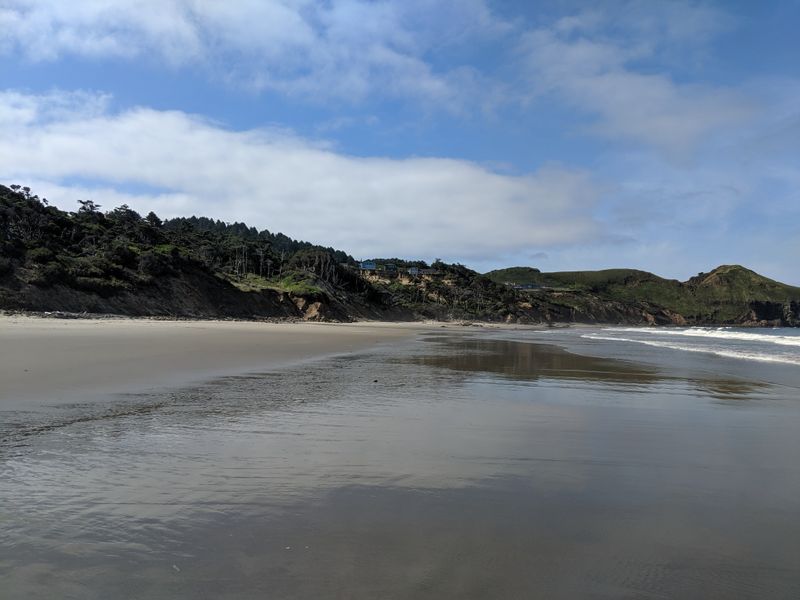
A steep hillside surely is tempting, but the straight shot down a switchback washes soil into the ground below.
You might save a minute, yet the wound lasts a season and spreads with every follower.
Trail crews return with shovels and wattles, but the slope keeps slumping because one quick choice teaches others to repeat the damage.
Switchbacks exist to hold the hill together and guide water gently.
Cutting corners leaves slick dirt that turns to a slip track after rain.
Signs remind you not to slice the zigzag, because erosion control only works when feet stay on the path.
Agencies treat damaging shortcuts as violations of posted rules you agreed to by entering.
Brush lines and fencing close temptation gaps; stepping through isn’t clever, it’s the first step toward a citation.
Stay on the tread, let the corners lead, and you’ll still reach the view without leaving a wound behind.
Duck-Under Rope Fences In “Dry Sand” Closure Zones

I learned that if you step past the rope, you step into violation.
Ropes mark closures designed to shield fragile habitat like snowy plover nests from heavy footsteps.
Crossing anyway isn’t an oops; it’s a violation that multiplies each time someone follows the same line.
Signs show dates and maps so you know which areas are restricted and which corridors stay open.
Management only works when people honor the barrier instead of treating it as optional.
In nesting season, even casual recreation through dry sand zones can push birds to abandon eggs, harming the whole ecosystem.
Enforcement happens on busy weekends, and the rope already warned you not to be there.
The easy, lawful choice is to follow the posted path to wet sand or an open stretch.
If you’re unsure, ask a ranger or check the board at the access, because respecting those ropes keeps Oregon beaches thriving for everyone.
Using Protected Plover Beaches As A Quick Connector
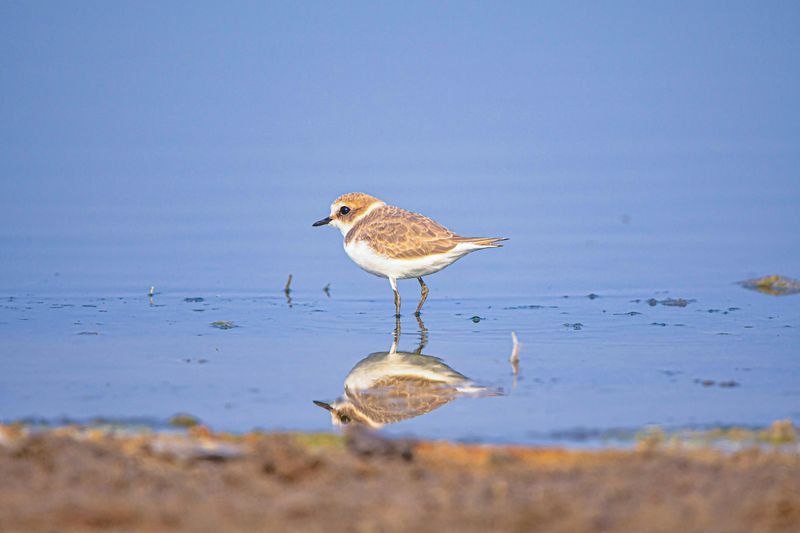
Two beaches may look connected, but the rope and sign mean stop.
That tempting hallway is a protected zone, and the rule is to take the detour even if it adds time.
These stretches exist because nesting birds need space from dogs, bikes, and people whose presence alone can push them off fragile scrapes.
Honor the bend and you give wildlife the quiet window they need, while still getting your walk without carving a trail into sensitive sand.
Maps on kiosks show legal connectors including symbols with season dates, so confusion turned to clarity for me once I paused to check.
Rangers aren’t trying to ruin your day.
They’re trying to keep chicks alive long enough to fledge, and that depends on everyone following the plan.
Cutting through anyway risks a citation and sets an example that others follow, turning one shortcut into a steady stream across the wrong ground.
Take the long bend, wave to the sign, and feel good about leaving Oregon wildlife undisturbed while still reaching the same horizon.
Your photos will look the same, but the footprints you didn’t leave in that zone make a difference that lasts.
Climbing Around A Closed Gate
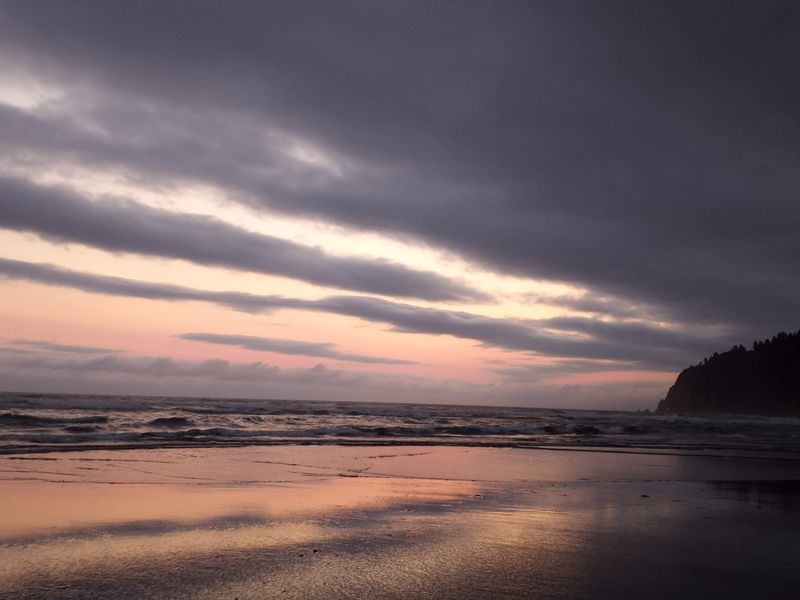
Treat a closed gate as a cue to slow down.
Stepping past it counts as entering a closed part of the park and can be treated as trespass.
Closures usually mark crumbling edges, undercut soils, or hazards that don’t reveal themselves until the ground gives way.
The safest habit is to treat the latch as final for today and enjoy the overlook that remains open.
You can still catch the same sea stack angles from a sanctioned turnout or another trail where footing is managed.
Passing a barrier also teaches others to copy you, compounding risk as more people move onto unstable ground.
Law enforcement sometimes watches these hot spots, and slipping past a hinge can quickly become a citation.
Choose patience, keep your group outside the closure, and remember the coastline will still be here when the gate swings open again.
The best panoramas are the ones you reach legally with a clear conscience and a safe return to the car.
Cutting Across Private Property
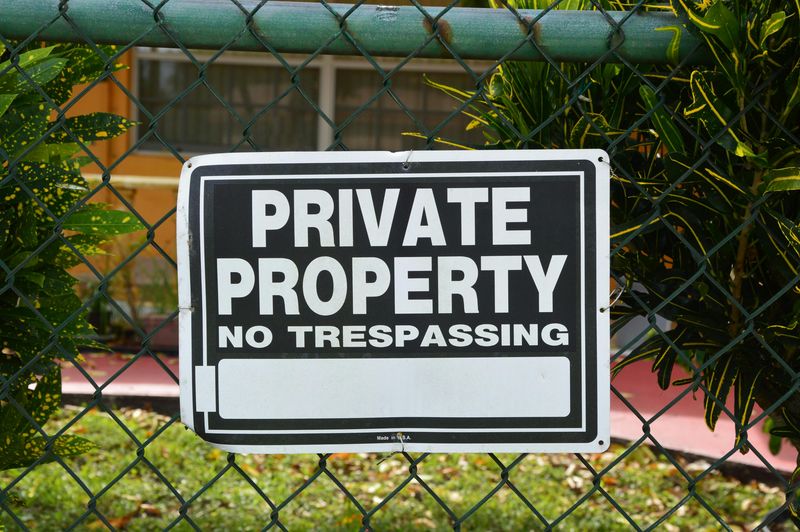
The map may show a line, but the land beneath it belongs to someone else.
Even if the destination is a public beach, crossing private land without permission breaks the rules.
Oregon welcomes you to the shore through signed access points and not improvised routes across someone else’s property.
Cutting through can spook pets, damage landscaping, and fray community trust, making future access harder for everyone.
The better habit is to follow public right?of?way signs, trail icons, or city park paths that connect neighborhoods to sand.
Local maps and visitor centers list these entries clearly, and a quick check avoids the awkward call from a property owner.
You still get salt air and foam at your feet, but you also stay in step with the law and respect coastal residents.
When in doubt, backtrack to the last signed path or ask a ranger where the nearest legal access sits.
On the Oregon coast, the longer way is the smarter one.
Your memory of the day will be lighter without the worry that you crossed a line you weren’t allowed to cross.
Walking The Railroad’s Flat Path

Look at tracks as citations in the making.
That tempting shortcut is trespassing and quickly turns into a legal problem.
Trains are quieter than you expect, and curves plus wind swallow the sound until the horn is almost on top of you.
Even if you step aside in time, law enforcement can cite you, because the right-of-way is private, not a public footpath.
The safer choice is to follow marked trails or public roads, keeping rescue crews focused on real emergencies.
On the coast, tracks sometimes run above tide lines and through tunnels with no safe refuge, which is why shortcuts here are unforgiving.
Make sure to use official connectors, check trail apps for legal alternatives, and leave the rails to trains, workers, and authorized personnel only.
The flattest line isn’t the right line when it crosses property and safety boundaries that don’t bend for convenience.
Biking Through Places Where Bikes Are Prohibited
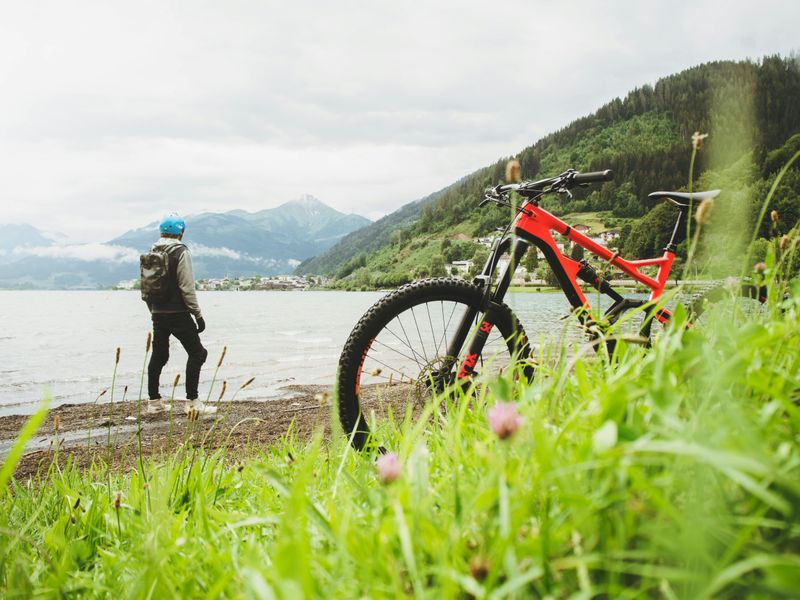
Firm sand feels fast, but the sign says stop.
That zone may look perfect for riding, but bikes are barred during management season.
Tires leave narrow tracks, yet the rule exists to limit disturbance just like with dogs.
Wildlife reacts to motion and speed more than tread width, and a quick pass can push birds from nesting ground they need.
The legal move is to reroute onto a road, a multiuse path, or an open stretch where bikes are permitted.
Seasonal rules shift by location, so kiosks and access boards give the specifics that apply that day.
You still get wind in your face and a clean cadence, without the worry of a ranger waving you down.
Choose the long arc around the closure, and you support recovery work that agencies and volunteers have invested in.
Your ride feels better when tires stay where they belong and protected zones remain quiet.
Respecting the sign is respecting the coast you came to enjoy, and that’s the kind of habit worth spreading.
Bringing A Dog Into A No-Dog Zone To Cut Across
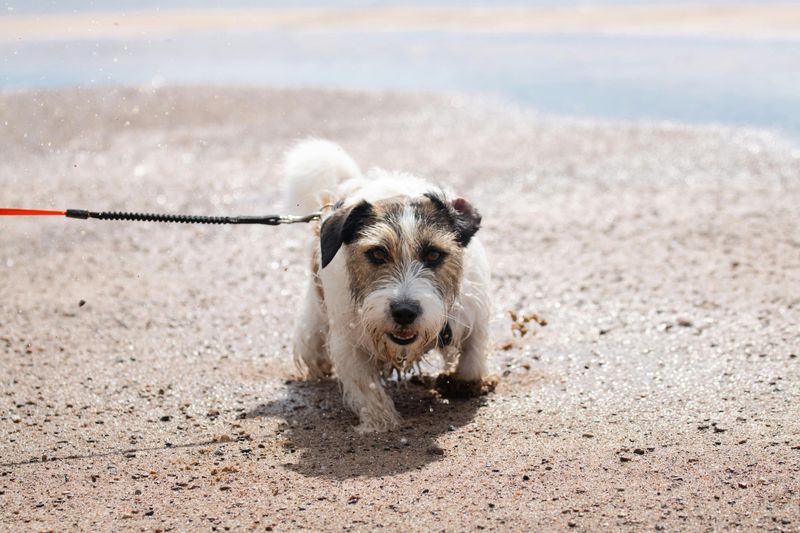
One paw past the rope is a violation, leash or not.
That quiet stretch may look perfect, but dogs aren’t allowed past the rope in management zones.
Sneaking through is still a violation; leashed pets can flush birds and leave scent that alters wildlife behavior.
The fix is simple: walk the open corridor or choose a beach where dogs are welcome on a leash.
Access boards list dates and maps, since restrictions shift with seasons and bird activity.
Complying sets a tone others follow, keeping protected zones calm and the rest of the shoreline open for play.
Rangers appreciate the effort, and your day stays light without a citation or a frustrated pup.
Nearby parks and towns often list legal dog areas with amenities and routes back to the water.
The coast feels bigger when you match your plans to the rules instead of bending them.
You came for joy, and you’ll keep it when your dog explores where dogs truly belong that day.
Driving Past Barriers Into Undesignated Park Areas
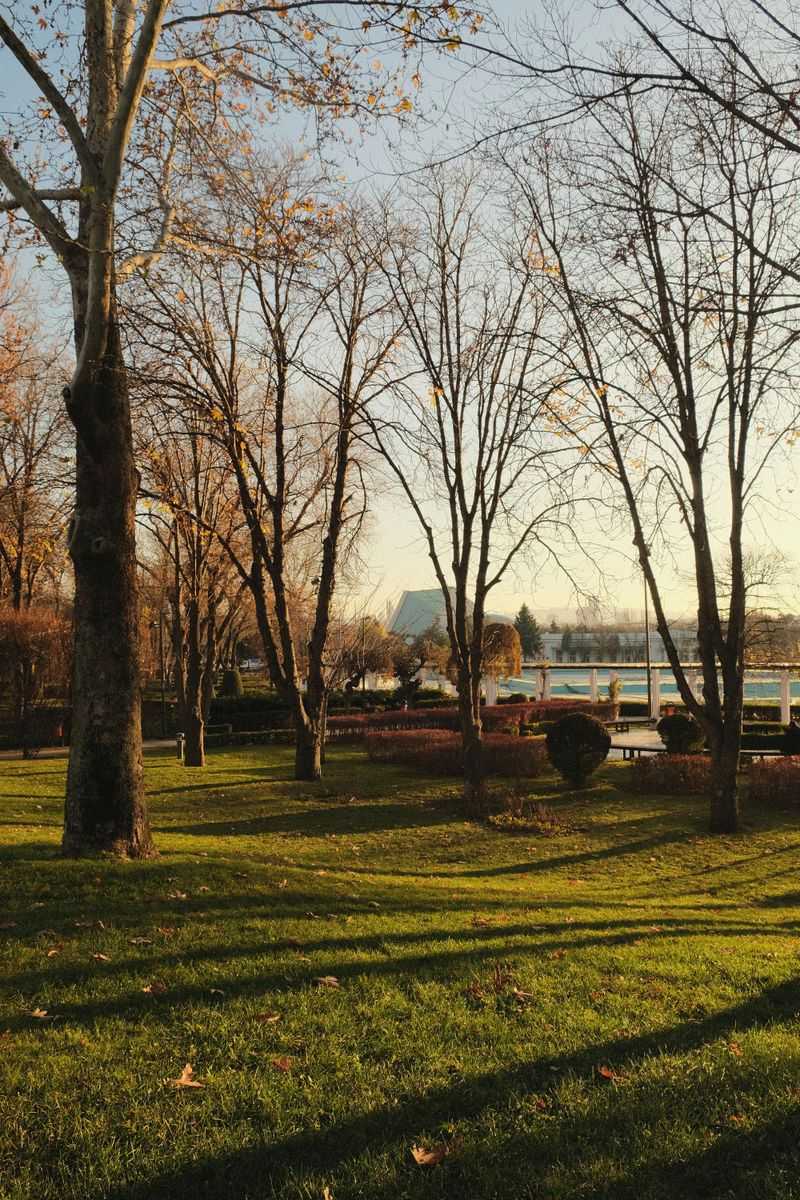
You pull up to a busy trailhead, see a blocked road beyond the lot, and feel the temptation to drive a little farther for a closer start.
Just know that rolling past a barrier into an undesignated area is a clear violation of park rules.
Barriers protect habitat and keep emergency corridors open, not to make your morning harder.
If the lot is full, the lawful choices are to wait, find overflow parking, or pick a different stop.
Driving onto meadow or sand compacts soil, breaks vegetation, and leaves ruts that widen with the next storm.
Rangers patrol often, and a quick minute of convenience can turn into a fine and a long talk about posted signs.
The best approach is to arrive early, share rides, or choose shoulder seasons when space opens naturally.
Modeling patience relieves the stress that pushes others into bad decisions that damage the places we love.
Your reward is a legal day with clean views and a trail that begins the way it was designed to begin.
Rolling Through Closed Ocean Shore Sections
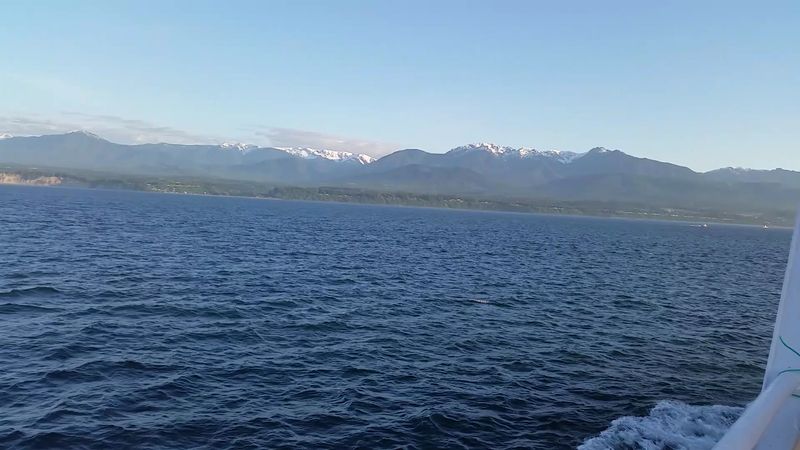
Closed stretches are safeguards for the coast.
Watching someone slip past a sign doesn’t make it legal.
Regulatory signs on the coast spell it out: closures apply to everyone, even for “quick” shortcuts.
Different sections carry different allowances and speed limits, so pay attention before moving a wheel onto sand.
Compliance protects people on foot and the wildlife using the upper beach, keeping vehicles away from areas that can’t handle the load.
Marked closures exist because conditions or management goals demand less traffic, not to hassle visitors.
Law enforcement writes tickets where signs leave no ambiguity, especially at busy entrances under watch.
Turn around at the boundary, choose an open access, and enjoy the same coastline without crossing a legal line.
You’ll still feel the wind and see the horizon you came for, while leaving no tracks where they don’t belong.
Oregon’s coast stays healthier when closures are treated as real closures every single time.
Crossing Into Roped-Off Areas
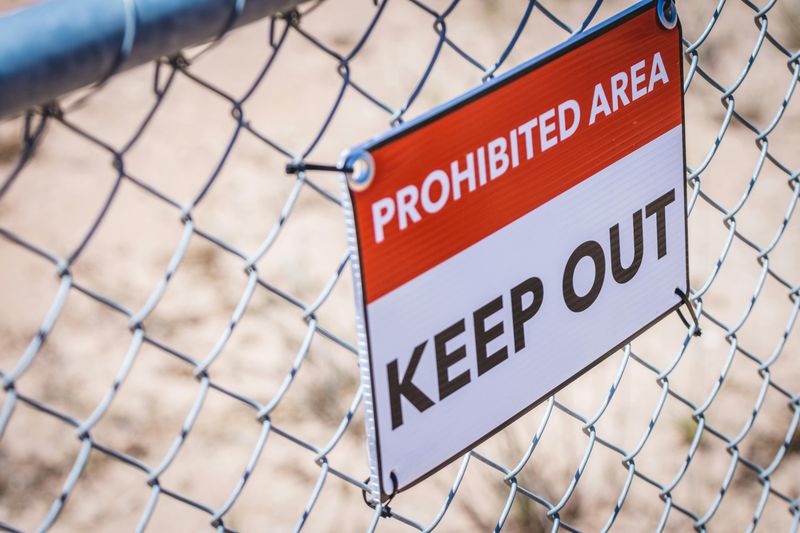
That “perfect shot” isn’t worth breaking the boundary.
In Oregon, closures can be set with signs, notices, or a ranger’s direct instruction, and ignoring any of them creates the offense instantly.
Those zones protect rare plants, unstable ground, or cultural resources that look ordinary until too many feet crush what is fragile.
Patience pays off when you step back and find an official viewpoint that frames the same scene from durable ground.
Your photo looks better without the anxiety of breaking rules while others watch and wonder if the rope is only for someone else.
Respecting barriers speeds recovery, which means areas reopen sooner for the entire community of visitors.
Rangers want you to get the shot safely and legally, and they build overlooks and signs for exactly that purpose.
Let the rope be a hard boundary, choose the designated path, and enjoy what Oregon offers.
The coast keeps its character when we do the simple thing: stay where our feet belong.
Making A Brand-New Trail Around Mud Or Crowds
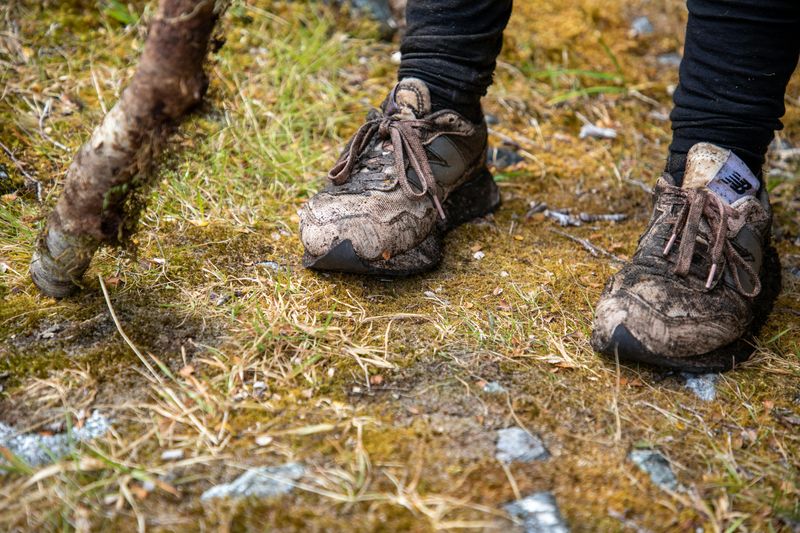
Mud washes away, damage to plants does not.
That quick detour becomes a new line others copy, widening impact and erasing plants that were doing fine.
Managers and volunteers close these scars with branches and signs because off?tread routes extend damage and complicate drainage.
The smarter move is to walk through the center of the mud or wait for the slow section to clear.
Good shoes and patience make the day easier, keeping the official tread narrow enough for water to shed as designed.
Every boot that leaves the route tells water to carve a new path, forcing crews to build checks and turnouts just to stop the slide.
Stay the course and let the trail be a line, because your small choice adds up to a stronger forest floor.
The coast thanks you with intact ferns and duff that keep holding the hill, while your group keeps pace without spreading into habitat.
One clean line today means a better hike for the people who come tomorrow and next season.
Dear Reader: This page may contain affiliate links which may earn a commission if you click through and make a purchase. Our independent journalism is not influenced by any advertiser or commercial initiative unless it is clearly marked as sponsored content. As travel products change, please be sure to reconfirm all details and stay up to date with current events to ensure a safe and successful trip.
