Nevada has something good for every rib lover!
You know that delicious secret a friend swears you cannot tell anyone?
The one that tastes better precisely because it feels hidden in plain sight?
Well, these locals will leave you planning return trips.
If you’ve ever wanted to eat in Nevada the way Nevadans actually do, these 11 all-you-can-eat prime rib night stops are your invitation.
Just don’t be surprised if a regular asks you half-jokingly “Who told you about this place?”
1. Garden Buffet
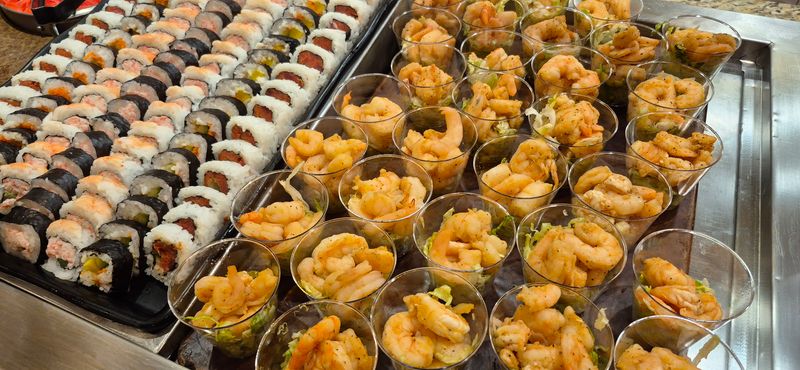
Trust me, first bites can feel like home at 9777 Las Vegas Blvd S, Las Vegas, NV 89183.
South Point’s Garden Buffet is where locals take hungry friends who crave a prime rib fix without Strip prices.
The carving station anchors a dinner lineup with steady hands slicing rosy medium rare to order.
Weekend prime rib and brunch turn indulgence into sport with joy pacing each slice.
Salads run crisp and cold, while creamy mashed potatoes come buttery.
They catch every drip of the tasty beefy au jus.
House-made horseradish hits and wakes the palate without overpowering the meat’s natural sweetness.
Gravy comes alongside Yorkshire style popovers as a perfect combination.
Desserts pile high, so it definitely pays to strategize.
You should scout the gelato case before you make your second return lap.
You will notice families, casino employees off shift, and golf polos from the equestrian center cheering for perfectly pink centers.
Prices stay reasonable and the line advances.
The carvers keep pace with a rhythm that never feels rushed.
Come hungry, sip slow, and let the friendly locals guide you to the exact slice you did not know you needed!
2. A.Y.C.E. Buffet
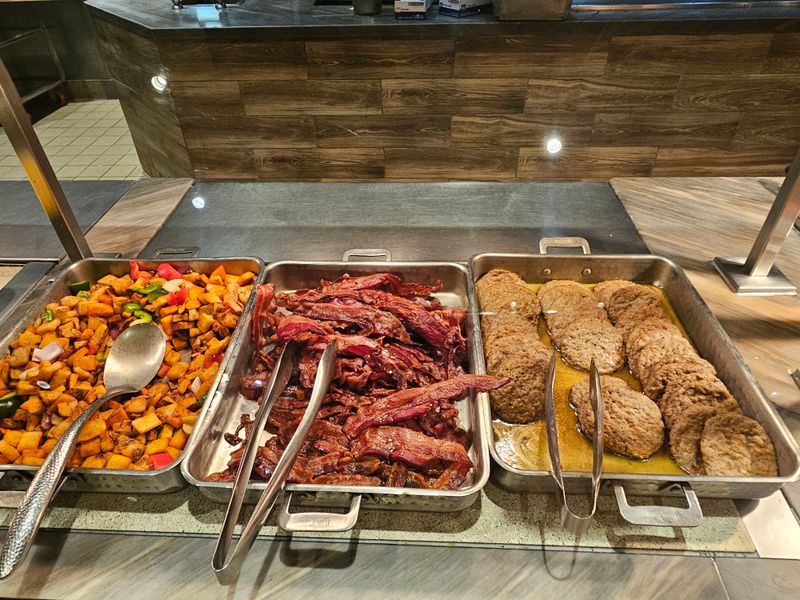
Friday nights get loud in the best way on 4321 W Flamingo Rd, Las Vegas, NV 89103 when the blades start sliding through beef.
A.Y.C.E. Buffet at the Palms has stations themed by flavor, but the prime rib anchor steals the show.
Carvers slice generous pieces fast enough to match your appetite.
Au jus runs glossy and hot, horseradish cream cools the edges, and the crust carries that peppery snap.
Side dishes include buttery mac, roasted root vegetables, and rolls that soak up the flavorful juices.
I left this place trying them all out and I came back for more.
Dessert towers deliver cheesecake and soft serve swirls, which pair very well after a second plate of tender slices.
I got a modern vibe of the place, with murals and neon flashes framing the bustle.
Staff keeps plates cleared smoothly, and water glasses never drop below halftime because the team understands rib lovers.
Locals favor the value and the easy parking.
Timing helps, since earlier arrivals skip the rush and secure first serving at the freshest cuts as trays rotate.
Every bite leaves you wanting more.
It melts in your mouth and leaves you nodding before you even reach dessert.
Bring friends who understand pace, and enjoy one of the best ribs in Nevada!
3. Market Place Buffet
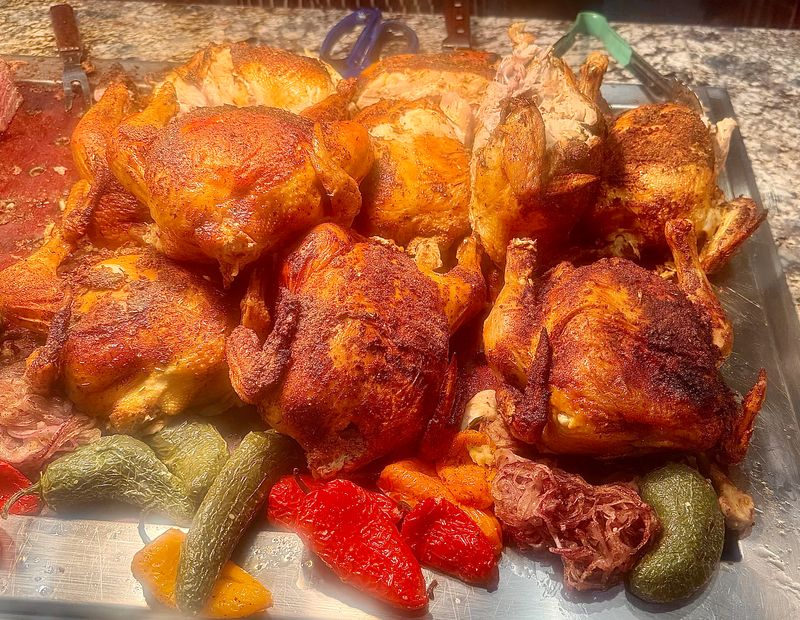
The Market Place Buffet is hidden in plain sight on 221 N Rampart Blvd, Las Vegas, NV 89145.
This place is a northwest neighborhood favorite where prime rib nights feel like a weekly reunion.
Carvers slice to your specification, and the meat lands tender.
It comes with a deep herb crust that crackles softly under the knife.
Sides lean comforting with scalloped potatoes, roasted Brussels sprouts, and soft dinner rolls that make stacking such a delicious habit.
Dessert stations tempt with fruit tarts and gelato, so pacing becomes strategy if you plan a second pass at the rib like I have.
The crowd is mostly locals, and the staff greets regulars by name.
That keeps the whole atmosphere friendly and warm.
Lines stay manageable because the buffet rotates options efficiently and keeps trays replenished.
You can watch steamy pans arrive while the carver sharpens, which adds a pleasant bit of ceremony to the evening.
Prices feel fair, especially when you have the quality in mind.
Arrive near opening for peak tenderness and faster seating, or slide in later for slower crowds and moodier lighting.
Either way, that lush slice with creamy horseradish will settle the debate about where northwest Vegas hides dinner.
4. Garden Court Buffet
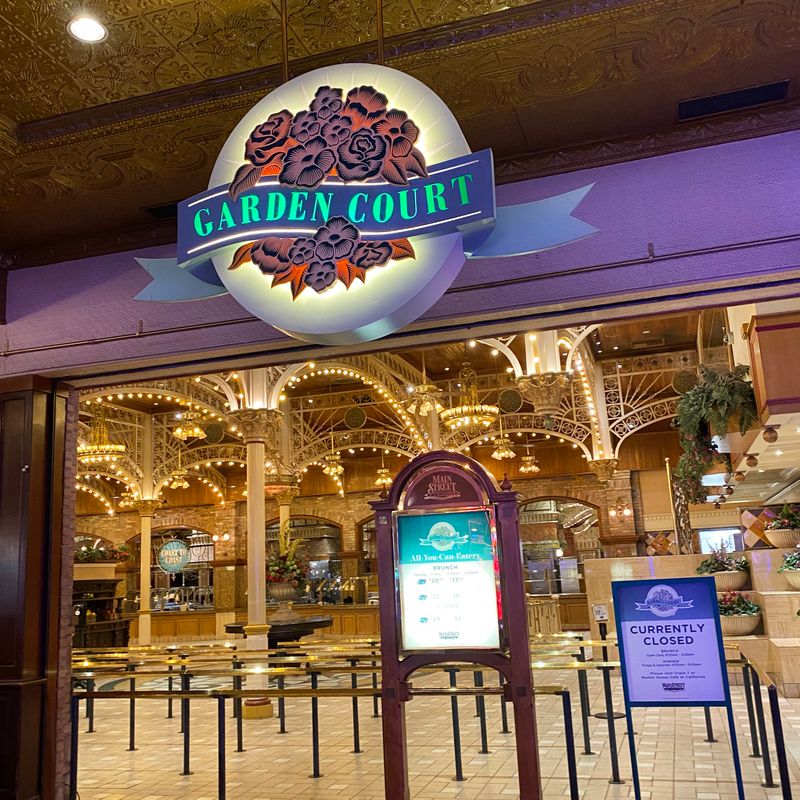
Garden Court Buffet is a classic amongst locals and it’s located on 200 N Main St, Las Vegas, NV 89101.
This place leans classic with a carving station that delivers pure prime rib nostalgia.
Select dinner nights put all-you-can-eat prime rib in bold letters
You’ll see that locals quietly plan errands around that schedule.
The roast carries a savory crust that meets a rosy interior, while au jus delivers balanced salt and bone deep richness.
Side dishes include buttery corn, green beans with bacon, and mashed potatoes and all are heavenly.
Dessert goes playful with bread pudding and soft serve, serving a gentle landing after beefy enthusiasm takes the wheel.
People praise the servers keeping a friendly pace with refills and cheerful little asides.
Downtown convenience helps if you are hopping Fremont, making this buffet a reliable pre-show or ritual.
Value shines strongest, and regulars nod approvingly as newcomers discover how far a modest budget can carry a hungry night.
Come curious, leave content, and carry that old school satisfaction out onto Nevada’s streets that are alive past midnight.
5. Jack Binion’s Steak – Horseshoe Las Vegas
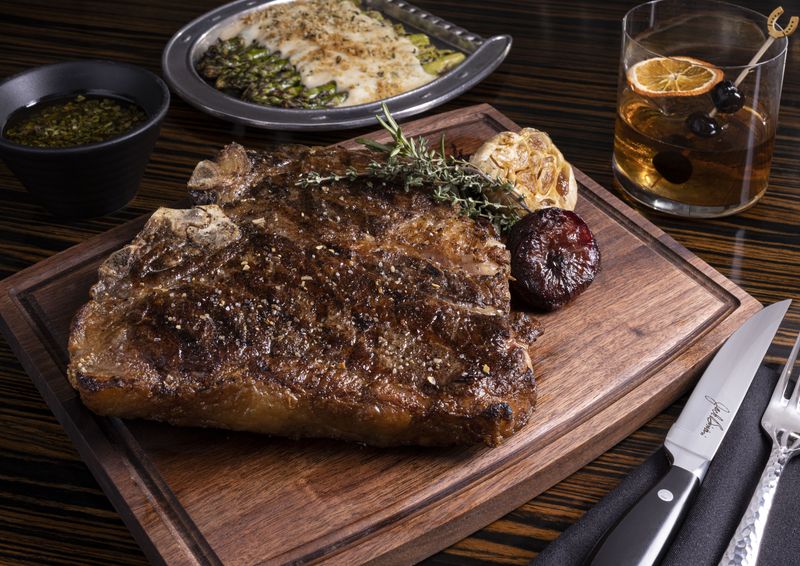
This place makes you want to return the second you walk out the door.
Jack Binion’s at 3645 Las Vegas Blvd S, Las Vegas, NV 89109 is not a buffet, yet the all-you-can-eat prime rib special keeps arriving.
Each cut lands juicy with an amazing crust, and the marbling melts into a buttery glaze that coats every bite.
Servers pace the meal like pros: they’re checking doneness preferences and timing refills so your plate never sits empty.
I took the horseradish cream and it hit classic notes.
Sides worth crowding the table include creamy spinach, au gratin potatoes, and a popover.
The room is decorated with wood and soft lighting, without feeling stuffy or stiff.
Value hides in plain sight because the quality rivals pricy one and done steaks while the format invites delicious persistence.
Ask for end cuts if crust is your love language, or go with the center for that silky texture.
Dessert can be skipped, yet a light sorbet reset helps if a third plate suddenly sounds like a very good life decision.
Make sure to breathe between slices, and enjoy the plates landing like tasty applause at your elbow.
6. Toucan Charlie’s Buffet & Grille
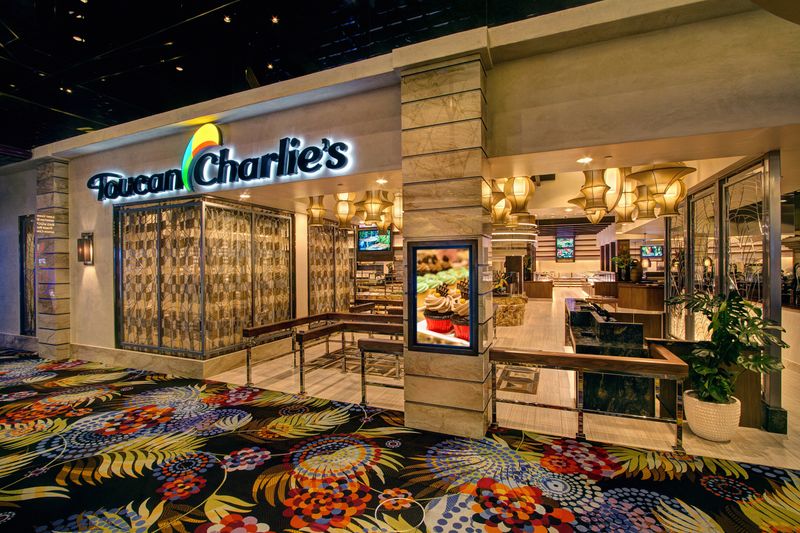
This spot is another local favorite, and that’s for a reason.
Toucan Charlie’s Buffet & Grille is located on 3800 S Virginia St, Reno, NV 89502 with a prime rib station that stays busy, confident, and generous.
Carvers balance speed with precision.
Gelato waits beyond the savory gauntlet, flashing pistachio greens and dark chocolate swirls for a sweet treat.
Side dishes cover garlic butter mashed, roasted carrots with honey, and cheesy breads that make sauce management a delicious art.
Service is cheerful and quick, with plates collected quietly and soft drink refills appearing almost instantly.
Weekends get lively here, so it gets crowded really quick.
Locals praise consistent seasoning and the comforting balance of crust, fat, and ruby center that keeps every slice better than the last.
The room blends tropical vibes with polished resort calm.
That’s creating a mood that invites a slow stroll between stations.
Families settle in at big tables, while couples angle for the booth line of sight straight to the carving show.
Prices reflect the spread, though casino offers sometimes soften the bill and make a gelato cup feel compulsory.
I’m sure you’ll leave this place impressed, and maybe promise yourself a salad tomorrow while the last buttery bite lingers.
7. Boomtown Steakhouse / Prime Rib & Seafood Buffet
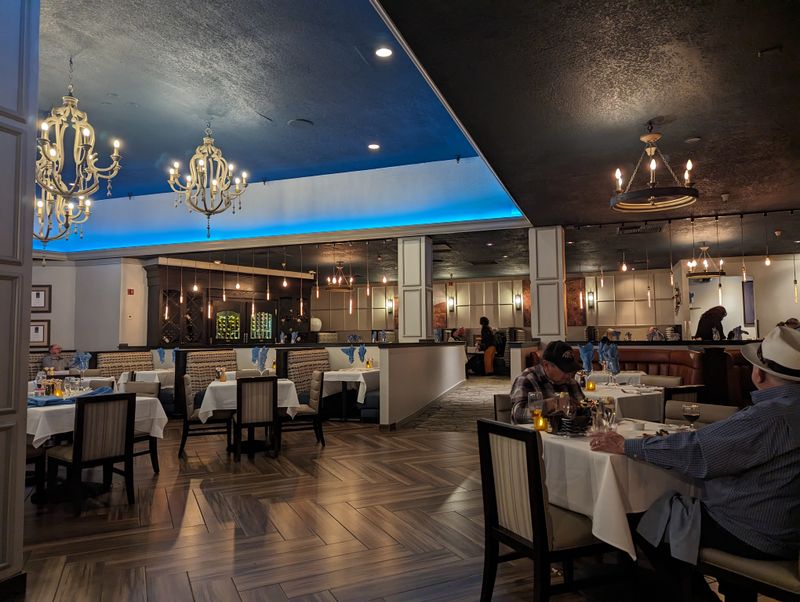
If you want a prime weekend buffet, head down to 2100 Boomtown Garson Rd, Verdi, NV 89439!
Boomtown’s prime rib and seafood format pairs rosy beef with crab and shrimp.
The carving station hands out thick slices, and patient carvers are happy to find your favorite balance of crust and center.
Seafood rounds out the plate, letting you alternate tender beef with briny sweetness.
The adjacent steakhouse lends a calmer vibe and reliable service that keeps plates cleared.
Locals from Reno and Truckee swing by after errands, making the crowd feel neighborly and pleasant.
Sides include buttery corn, seasoned rice, and tasty dinner rolls.
Timing matters on weekends, so earlier arrivals win quick seating and the hottest cuts as new roasts hit the board.
Dessert is classic buffet comfort with soft cookies and cakes that just hit the right spot.
Leave a little room for one final slice, because the last bite often tastes like the best road detour decision.
8. Town Square Buffet
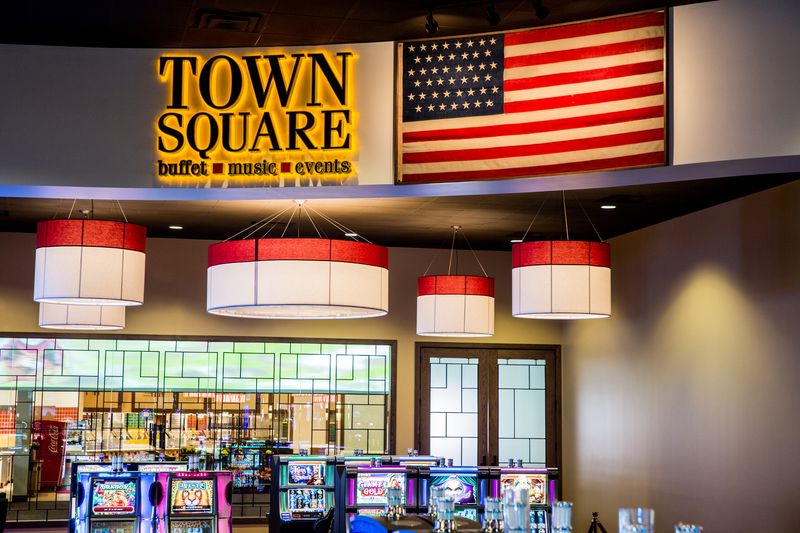
On 275 Mesa Blvd, Mesquite, NV 89027, the buffet tilts toward seafood and prime rib joy.
Eureka’s Town Square Buffet earns regional loyalty by serving a true feast every time.
It also feels friendly to the wallet without skimping on flavor.
Carvers slice thick and smile easily.
Au jus rides warm and savory, horseradish wakes the senses, and a pepper crust provides a satisfying contrast with each bite.
Salads run crisp, with a make-your-own station that adds brightness to balance the warm savory parade.
Locals praise the welcoming team, quick seating, and the steady rhythm of replenished trays that keep the line moving.
Families fill booths and retirees linger kindly, giving the room a calm feeling that suits a leisurely Sunday plate plan.
Desserts bring pies and soft serve, which are perfect for small celebratory spoons after a second helping finds the will to continue.
Arrive early for best selection and shorter waits, especially on long weekends when travelers mix with regulars.
Pricing often slides under the big city numbers, reinforcing the appealing habit of making this buffet a monthly tradition.
Prime rib stays the star, with marbling that melts and a blush center that looks as well as it tastes.
I left knowing the drive delivered exactly the comfort I was hoping to find.
9. 1880 Grille
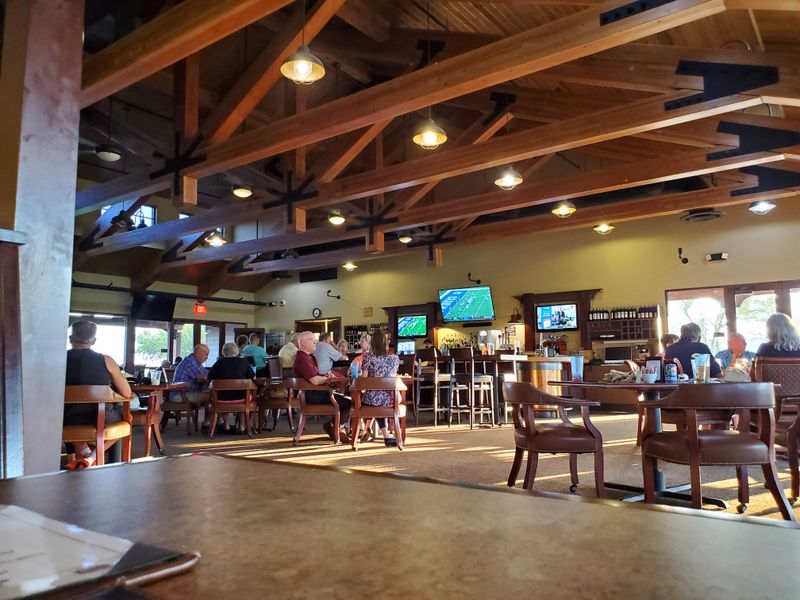
1880 Grille hosts special prime rib dinner buffets you don’t want to miss on 1499 Falcon Ridge Pkwy, Mesquite, NV 89034 with a view to match.
Reviews point to events labeled Prime Rib Dinner Buffet that deliver hearty slices with classic sides and easygoing charm.
The roast usually arrives with a peppery bark and a velvety interior that’s just perfect.
Horseradish cream is a great choice as well as the grainy mustard that lifts the richness.
Green beans with almonds and buttery potatoes stand ready for a second plate without regret.
Servers carry that clubhouse hospitality amazingly.
Views of fairways pair nicely with a slice carved just how you like it.
Events typically land on Sundays or holidays, so make sure to check the calendar.
After a while, it becomes a smart habit before planning appetite strategies.
Dessert is a classic with cobblers and ice cream, which is the perfect end to a meal.
Value stacks up well against a long drive to Vegas, especially when you add the comfort of easy parking and pace.
Bring a friend or family and enjoy the tastiest ribs you’ll ever have at 1880 Grille!
10. Lakeside Sports Grill
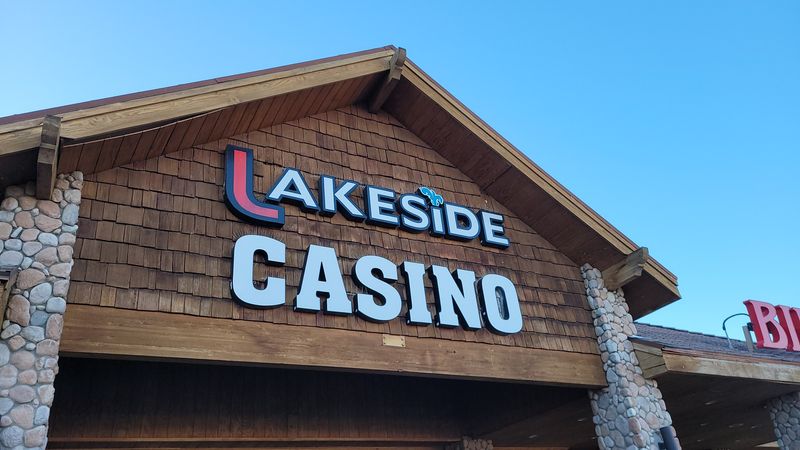
The quiet desert road leads to 5870 Homestead Rd, Pahrump, NV 89048 where the house special keeps on returning.
Lakeside Sports Grill turns all-you-can-eat into a challenge by sending more prime rib whenever your fork slows.
The slices arrive medium rare unless requested otherwise.
They come with a savory crust that plays nicely with a warm jus.
Servers keep the rhythm playful, asking if another round sounds right and smiling when the answer is an enthusiastic yes please.
Seasoned fries or mashed potatoes joined my plate, while a little green salad that added just enough brightness.
Locals appreciate the straightforward value and the easy parking that comes with an RV park.
Horseradish runs gentle here, so ask for extra if you like a sprint of heat to cut the richness.
Dessert is simple yet satisfying, making room for conversation after the final triumphant slice disappears.
Service feels neighborly, and you may recognize a server from a previous visit because repeat customers are the norm here.
Prices remain friendly, turning impulse visits into comfortable habits whenever a hearty dinner sounds better than a long drive.
Make sure to bring appetite and a relaxed mood, then let the refills roll.
11. Saddle West Hotel, Casino & RV Resort
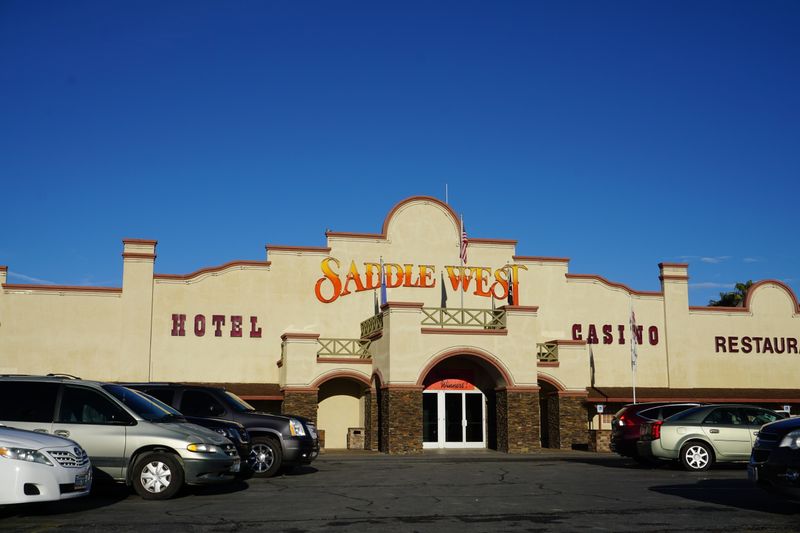
The Saddle West Hotel, Casino & RV Resort on 1220 S Hwy 160, Pahrump, NV 89048 is where ribs are cooked to perfection.
This place keeps prime rib nights simple and satisfying, with a carving board that slices steadily.
The roast leans toward a savory exterior and a warm pink center.
Servers work efficiently, clearing plates and chatting about local happenings, creating a warm atmosphere you’ll surely love.
Side dishes stay classic with buttery potatoes, green beans, and rolls that pull apart gently.
Desserts channel a retro vibe, offering cakes and soft serve that taste like family memories.
Prices usually undercut city buffets, making this a value stop for hungry travelers and regulars who plan around prime rib nights.
The vibe invites unhurried refills, so the carver keeps slicing and you keep smiling as your plate renews its purpose.
Ask for a crusty end if you love that pepper forward bite, or choose the center for melt in mouth ease.
Parking is easy, the room is relaxed, and the whole place feels like a postcard from an earlier era.
Locals describe the experience as comfort first and frills second.
That suits a dinner that trades hype for reliable pleasure.
Come ready for seconds, and enjoy a buffet that knows exactly what it does well.
Dear Reader: This page may contain affiliate links which may earn a commission if you click through and make a purchase. Our independent journalism is not influenced by any advertiser or commercial initiative unless it is clearly marked as sponsored content. As travel products change, please be sure to reconfirm all details and stay up to date with current events to ensure a safe and successful trip.
